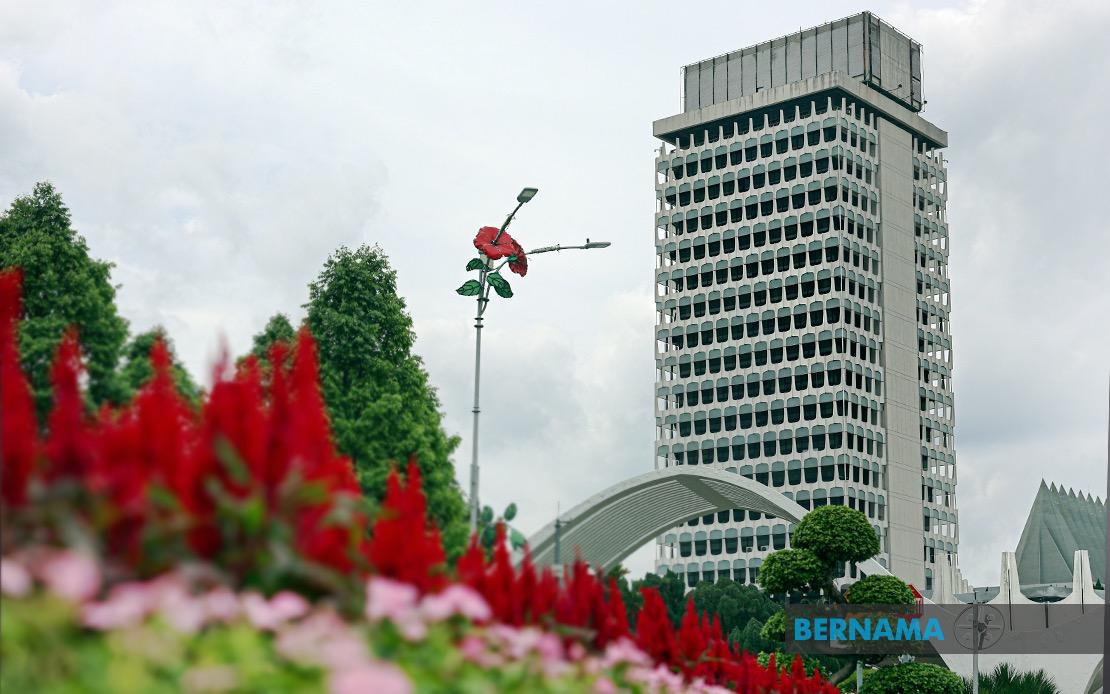
Parliament will resume sitting on Monday, June 24, for a 16-day session that promises to be politically charged, with constitutional amendments and significant legislative reforms taking centre stage. The Second Meeting of the Fifth Session of the 15th Parliament, running until July 16, will revisit two constitutional bills that previously failed to gain sufficient parliamentary backing, alongside new legislation aimed at combating illegal street racing and organised trafficking syndicates plaguing Malaysian highways.
At the heart of this sitting lies the re-tabling of the Constitution (Amendment) Bill 2026, which proposes to impose a 10-year tenure limit on the office of prime minister. This measure represents a significant institutional reform that would reshape executive power in Malaysia, yet it encountered resistance during the first parliamentary sitting when it failed to secure the two-thirds majority required for constitutional change. The bill's reintroduction signals the government's determination to push the reform despite the political obstacles, raising questions about whether sufficient support has been marshalled among MPs to secure passage this time around.
Equally contentious is the Constitution (Amendment) Bill (No. 2) 2026, which seeks to separate the constitutional roles of the Attorney General and Public Prosecutor. Currently, these positions are held by a single office holder, a structure that has drawn scrutiny from constitutional experts and civil society observers who argue the separation would enhance institutional independence and reduce potential conflicts of interest. Following its previous tabling, this bill was referred to the Parliamentary Special Select Committee for detailed examination, suggesting that parliament recognised the need for thorough deliberation on such a fundamental institutional change.
Transport Minister Anthony Loke has prepared the Road Transport Act 1987 (Amendment) Bill for tabling on the opening day of the session, with debate scheduled for Tuesday. The legislation addresses a mounting public safety crisis, targeting illegal street racing activities that have claimed lives and injured innocent road users across the country. The proposed amendments span 11 distinct areas and affect 42 clauses of the existing legislation, reflecting the comprehensive nature of the government's response to the problem.
Beyond addressing illegal racing per se, the amendments incorporate enhanced enforcement tools designed to dismantle the operations of 'tonto' syndicates—criminal networks that exploit vehicles and road infrastructure for organised illegal activities. Loke's framing of the bill emphasises how these changes are intended to create a more robust legal framework for traffic enforcement, enabling police and regulatory authorities to prosecute offenders more effectively and deter would-be violators through tougher penalties. For Malaysian motorists and road safety advocates, the bill represents a potential shift toward stricter accountability and more consistent enforcement against dangerous driving practices.
The parliamentary agenda also extends to the Cybercrime Bill 2026, another legislative initiative that touches on evolving challenges in the digital era. As cybercrime becomes increasingly sophisticated and affects both individuals and organisations, parliament's examination of updated legal protections and enforcement mechanisms will carry significant implications for data security, digital privacy, and the country's regulatory posture in an interconnected region.
Dewan Rakyat Speaker Tan Sri Johari Abdul has issued a reminder to all members that their primary duty is to serve the public interest through substantive, fact-based debate conducted in accordance with parliamentary standing orders. He cautioned against using parliamentary proceedings for partisan political advantage, a concern that takes on added urgency given that the Johor state election is being held concurrently with this parliamentary session. The speaker's emphasis on maintaining the dignity and seriousness of legislative work reflects broader concerns about the quality of parliamentary discourse and the risk that electoral pressures might distract MPs from their legislative responsibilities.
Johari stressed that parliamentary debates should address pressing national concerns including cost of living pressures, education quality, healthcare access, economic growth, employment creation, and community development. This call for issue-focused debate contrasts with the reality that Malaysian political dynamics are often characterised by partisan positioning and point-scoring. The speaker's message implicitly acknowledges that maintaining parliamentary standards requires conscious effort from both government and opposition benches, each playing their proper constitutional role without subordinating legislative work to electoral campaigns or factional interests.
The speaker has also reminded MPs that their attendance and active participation in the sitting constitute non-negotiable responsibilities to their constituents. With some MPs dividing their attention between parliamentary duties and campaigns in Johor, there is a tangible risk that absenteeism could affect the quality and efficiency of legislative work. Johari's intervention suggests that parliament's institutional leadership is concerned about maintaining quorum and ensuring that deliberations reflect genuine parliamentary engagement rather than token attendance.
The sitting occurs against the backdrop of global energy market volatility stemming from the ongoing West Asian conflict, an issue parliament is expected to address in terms of its implications for Malaysia's energy security and economic competitiveness. Rising energy costs carry cascading effects on inflation, manufacturing competitiveness, and household budgets, making this a natural focus for legislative scrutiny and policy discussion. For Malaysian policymakers and business leaders, parliament's examination of energy supply vulnerabilities and potential mitigation strategies will be closely watched.
Following the conclusion of the Dewan Rakyat session, the upper house will conduct its own 10-day sitting from July 20 to August 4. This sequential arrangement allows for considered review of legislation passed by the lower house and provides the Dewan Negara with opportunity for amendment or scrutiny of bills before final enactment. The staggered schedule of parliamentary sittings reflects the constitutional arrangement by which both chambers must ultimately concur on legislation, particularly constitutional amendments requiring supermajority approval.
For Southeast Asian observers, the Malaysian parliament's deliberations on constitutional term limits and institutional separation of powers carry broader regional significance. As democracies across Asia grapple with questions about executive power, judicial independence, and institutional checks and balances, Malaysia's legislative struggles around these issues reflect common tensions between executive efficiency and constitutional constraints that animate democratic politics throughout the region. The outcome of these debates will signal whether Malaysia's parliament can rise to the challenge of institutional reform in pursuit of more accountable and transparent governance.

