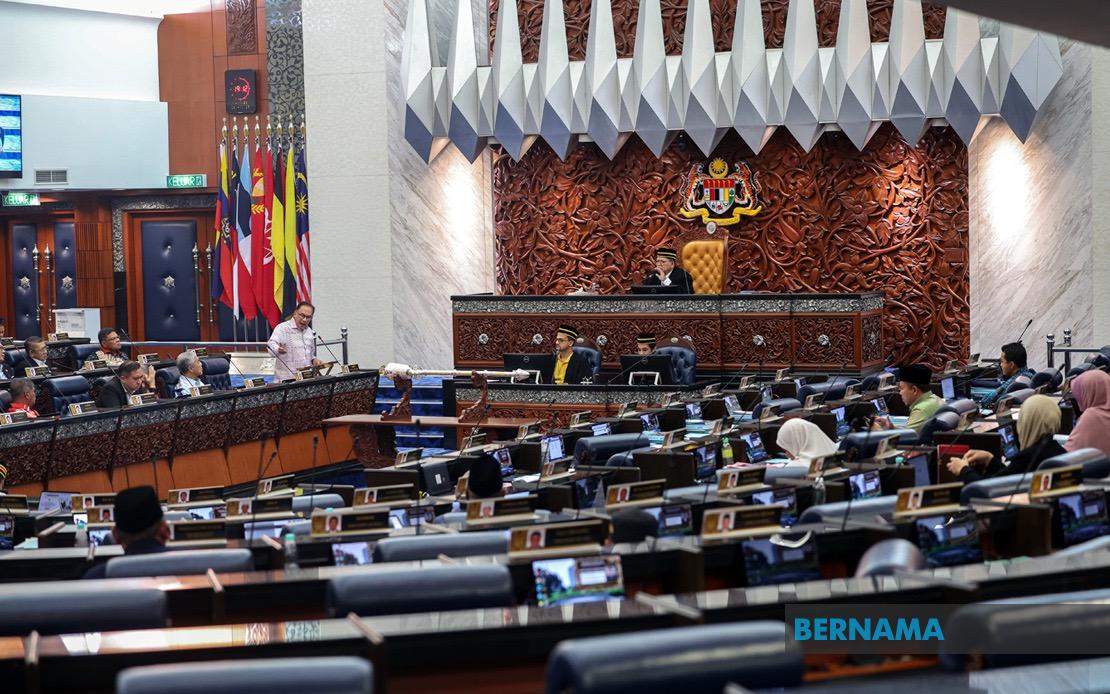
Lawmakers from across Malaysia's political spectrum converged on June 29 in the Dewan Rakyat to demand sweeping improvements in how the nation tackles child sexual crimes, signalling rare consensus on a child protection agenda that extends beyond punishment to encompass prevention, investigation, and rehabilitation. The debate on the Sexual Offences Against Children (Amendment) Bill 2026 revealed deep frustration with existing legal and enforcement gaps, with parliamentarians articulating a vision that treats child sexual abuse not merely as a domestic criminal matter but as a transnational crisis requiring coordinated regional responses.
Abdullah Ghani Ahmad, representing Jerlun under Perikatan Nasional, emphasized that Malaysia must weaponize existing international legal frameworks to prevent predators from exploiting jurisdictional weaknesses. He argued for aggressive utilization of Mutual Legal Assistance protocols and extradition treaties to ensure that offenders operating from foreign soil cannot simply evade Malaysian justice. His intervention underscored a growing recognition that child predators have become increasingly mobile, using geographical distance as a shield against prosecution, and that Malaysia's current mechanisms remain insufficiently deployed or coordinated to close these escape routes.
The enforcement landscape requires substantial architectural overhaul, according to Abd Ghani, who called for integrated coordination spanning the Royal Malaysia Police, Immigration Department of Malaysia, Attorney-General's Chambers, Department of Social Welfare, hospitals, and educational institutions. This multisectoral approach reflects understanding that child sexual crimes generate evidence trails across multiple institutional domains—medical records, digital communications, financial transactions, school attendance patterns—yet fragmented bureaucracies have historically failed to synthesize these signals into coherent investigations. Enhanced institutional choreography could theoretically transform fragmented data into actionable intelligence while accelerating case progression toward prosecution.
Datak Seri Doris Sophia Brodi of GPS-Sri Aman proposed establishing a specialized task force dedicated exclusively to digital sexual crimes against children, recognizing that online exploitation has fundamentally altered the crime's character and geography. Child predators no longer require physical proximity to victims; grooming, extortion, and image-based sexual abuse now occur across continents through encrypted platforms and anonymous networks. A dedicated digital crimes unit would concentrate investigative expertise, preserve complex electronic evidence according to proper forensic protocols, and coordinate response against cross-border perpetration rings. Brodi additionally advocated intensified digital literacy curricula in schools, proposing that parents and educators require systematic training in recognizing grooming behaviors and exploitation indicators that often precede reported abuse.
The victim dimension proved equally prominent in parliamentary discourse. Brodi insisted that prosecution and incarceration represent merely one dimension of an adequate response, arguing that survivors require continuous psychological support, financial assistance programs, identity protection mechanisms, and structured long-term recovery frameworks. This perspective reframes child protection from a law enforcement paradigm toward a public health and social welfare model, acknowledging that trauma from sexual abuse generates cascading developmental, psychological, and social consequences requiring sustained professional intervention extending across years or decades.
Datak Mas Ermieyati Samsudin of PN-Masjid Tanah proposed establishing a dedicated prosecution unit focusing exclusively on child sexual offences, suggesting that specialization would accelerate case resolution while ensuring consistent application of sentencing principles across jurisdictions. She additionally recommended expanding the corps of child psychology experts within public health facilities—a critical gap given Malaysia's shortage of trauma-informed mental health professionals capable of treating complex childhood sexual trauma. Samsudin argued for establishing a specialized victim assistance fund covering psychological treatment fees, legal costs, and rehabilitation expenses, recognizing that economic barriers often prevent survivors from accessing services even when available.
This legislative momentum partly reflects anxiety that Malaysia risks becoming a destination jurisdiction for international child sex tourism and exploitation if legal frameworks remain weaker than those in neighboring countries. Samsudin articulated concern that perpetrators might exploit Malaysia's enforcement deficiencies—whether through inadequate prosecution capacity, insufficient digital evidence handling, or limited international cooperation mechanisms—as a deliberate operational strategy. The amendment to the Sexual Offences Against Children Act 2017 aims substantially to expand Malaysia's extraterritorial jurisdiction, ensuring that Malaysian citizens or permanent residents cannot commit sexual offences against children in other nations with impunity.
RSN Rayer representing Jelutong under Pakatan Harapan emphasized that jurisdictional expansion must be accompanied by substantially increased investigative capacity. Child sexual crime investigations demand specialized training, trauma-informed interview techniques, sophisticated digital forensics expertise, and sustained personnel commitment—resources that remain chronically constrained within Malaysia's police investigative divisions. Expanding jurisdiction without proportionally enlarging investigative teams would merely create a backlog of unresolved cases lacking prosecutorial resolution.
Young Syefura Othman of PH-Bentong advocated creating a National Child Sexual Offender Registry modelled on international precedents, enabling controlled access by enforcement agencies and child-adjacent institutions such as schools, daycare centers, care homes, and welfare facilities. Such registries serve preventative functions, allowing institutional gatekeepers to identify high-risk individuals before hiring decisions, theoretically reducing opportunities for reoffending within child-proximate environments. Syefura further proposed mandatory background screening for all individuals working in child-service environments—schools, kindergartens, tahfiz centers, religious institutions, sports clubs, and welfare facilities—reasoning that institutional barriers to employment represent crucial deterrents against placement in positions offering offending access.
The amendment represents attempt to eliminate jurisdictional constraints that have historically permitted offenders to operate with impunity when crimes occur outside Malaysian territory. Under current legislation, Malaysian courts struggle with extraterritorial application, meaning that a Malaysian citizen or resident who sexually abuses a child in Thailand, Cambodia, or the Philippines potentially faces limited legal accountability in Malaysia. The amended legislation would expand criminal reach, ensuring that national jurisdiction extends to offences committed abroad, thereby closing a loophole exploited by mobile predators.
The parliamentary consensus across government and opposition benches reflects deepening recognition that child sexual abuse represents not a peripheral criminal category but a systemic threat demanding comprehensive institutional response. Twenty-six MPs participated in the afternoon debate, demonstrating substantial legislative engagement with the substantive issues underlying child protection policy. The breadth of proposed reforms—spanning international legal cooperation, domestic investigative capacity, specialized prosecution, victim rehabilitation, offender registries, and institutional background screening—suggests that Malaysia's policy community increasingly grasps the multifaceted architectural changes necessary to genuinely protect children from sexual exploitation and abuse in an era of increased digital connectivity and mobile perpetration.

