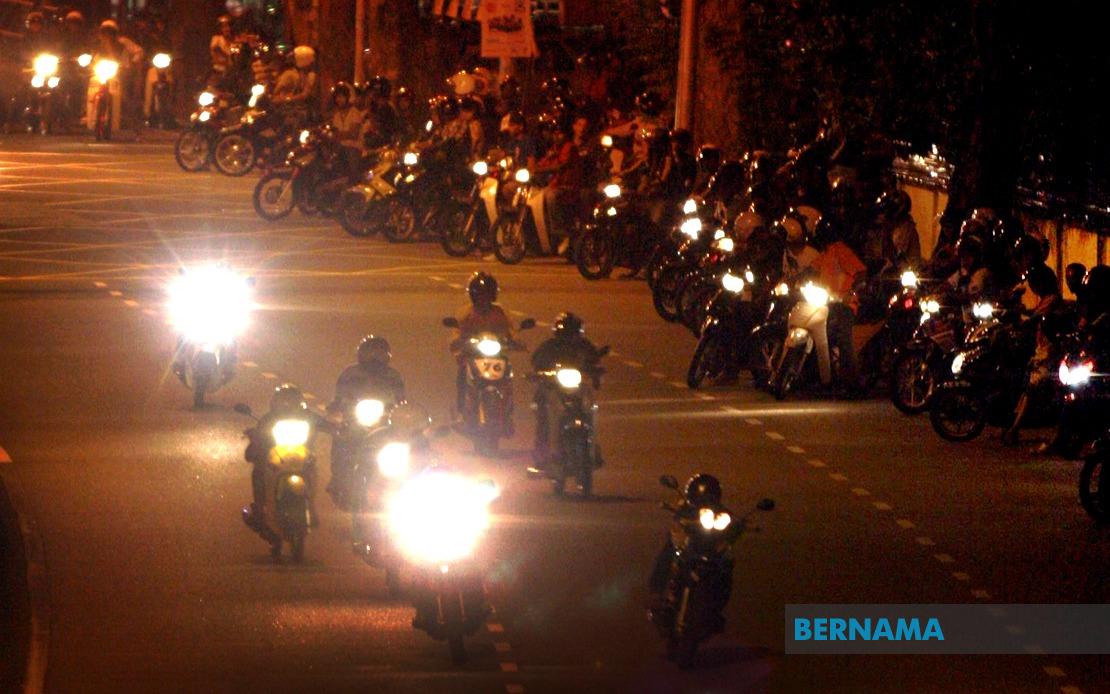
Parliament is taking a hardline stance against the growing menace of illegal street racing, with lawmakers proposing a comprehensive package of deterrents and corrective measures during debate on the Road Transport (Amendment) Act 2026 in the Dewan Rakyat. The proposals signal a fundamental shift in how policymakers intend to address dangerous racing activities that have claimed lives and caused widespread public concern across the country.
The debate, which drew participation from 24 government and opposition MPs, revealed broad consensus that existing penalties alone have failed to deter dangerous drivers. Several parliamentarians offered distinct perspectives on what combination of punitive and rehabilitative measures might prove effective. The focus extended beyond motorcycles to include high-powered cars, following a tragic incident in Simpang Renggam, Johor on June 1 that claimed lives and demonstrated the serious consequences of racing activities involving luxury vehicles.
Khairil Nizam Khirudin from Jerantut proposed establishing a specialized rehabilitation programme that goes beyond financial penalties and jail terms. His proposal incorporates disciplinary training and community service components designed to educate and reform offenders rather than simply punishing them. This approach reflects growing recognition that deterrence requires changing behaviour and attitudes, not merely extracting fines from those convicted. The programme would function as a supplementary measure working alongside existing penalties to address the underlying mindset that drives participation in illegal racing activities.
A critical element of Khairil's proposal targets the supply chain that enables racing. He advocated for the Ministry of Transport to cooperate with the Ministry of Domestic Trade and Cost of Living to establish new regulations under Section 66 of the Road Transport Act 1987 aimed at shutting down workshops engaged in illegal motorcycle modifications. By disrupting the modification ecosystem that transforms standard motorcycles into high-performance machines suitable for street racing, authorities could reduce both the capability and appeal of participating in such activities. This regulatory approach recognizes that enforcement must address enabling infrastructure, not just individual offenders.
Datuk Willie Mongin from Puncak Borneo advocated for considerably harsher sanctions, proposing permanent revocation of driving privileges for anyone convicted of illegal racing. He suggested minimum penalties of RM300,000 or five years imprisonment, combined with lifetime licence suspension. This proposal signals that parliament intends to impose consequences severe enough to fundamentally alter individual cost-benefit calculations. For many illegal racers, particularly young enthusiasts, the prospect of permanent loss of driving privileges might prove more sobering than monetary fines that can potentially be paid and forgotten.
Extending the scope of penalties to cover all vehicle types emerged as another key priority. Wan Razali Wan Nor from Kuantan emphasized that Section 42A provisions should apply uniformly across all illegal racing activities involving motorcycles, cars, and any other vehicles. The Simpang Renggam tragedy underscored why this broader approach matters, as it demonstrated that luxury car racing poses potentially greater danger than motorcycle racing given the vehicles' speed and weight. Failing to address car racing with equal stringency would leave a dangerous gap in enforcement.
Shaharizukirnain Abd Kadir from Setiu introduced another deterrent mechanism, proposing that excessively modified motorcycles be confiscated and destroyed upon conviction. Asset forfeiture serves multiple purposes: it removes tools used in illegal activities, imposes tangible losses beyond fines, and eliminates valuable machines that might otherwise be recycled or sold to other potential offenders. This measure reflects lessons learned from successful anti-crime initiatives that target both offenders and the physical means enabling criminal conduct.
A separate but equally pressing concern emerged regarding driving under the influence of alcohol and drugs. Zahari Kechik from Jeli and Datuk Seri Dr Ismail Abd Muttalib from Maran highlighted the need for strengthened provisions under Sections 44 and 45A to 45C of the Road Transport Act 1987. They specifically advocated for establishing compensation mechanisms ensuring that intoxicated drivers bear financial responsibility for hospital costs and victim welfare payments. This victim-centred approach seeks to create accountability that extends beyond criminal penalties to include restitution for those injured or harmed by reckless driving.
The proposals collectively address illegal racing from multiple angles: deterrence through severe penalties, rehabilitation through education and community engagement, supply-side disruption through workshop regulation, asset seizure through vehicle confiscation, and victim protection through compensation requirements. This multi-layered strategy reflects parliamentary recognition that single-measure approaches have proven inadequate. The breadth of proposals from both government and opposition members also indicates that illegal racing has transcended partisan boundaries, being widely recognized as a serious public safety threat requiring urgent legislative response.
For Malaysian drivers and communities, these proposals carry significant implications. If enacted, the new laws would create a genuinely formidable deterrent landscape for potential illegal racers, particularly the permanent license revocation and potential vehicle destruction provisions. Young people tempted by street racing would face consequences extending far beyond temporary imprisonment or fines, potentially affecting their long-term employment prospects and mobility. Simultaneously, the rehabilitation and compensation components suggest parliament's intention to rehabilitate offenders where possible while protecting innocent accident victims.
The parliamentary debate also reflected evolving understanding about who bears responsibility for illegal racing. The proposal to hold parents accountable acknowledges that family structures play crucial roles in either enabling or preventing dangerous behaviour. This intergenerational approach, if implemented, could catalyze broader family-level changes in attitudes toward reckless driving. Parents who understand they face legal consequences for their children's racing activities might exercise greater oversight and impose stronger household discipline.
Implementation will prove crucial. The Road Transport Ministry must coordinate with multiple agencies including customs, police, local authorities, and trade regulators to effectively enforce new provisions. Workshop crackdowns require identifying modification specialists and establishing clear technical standards defining illegal modifications. Rehabilitation programmes must be designed by experts in offender rehabilitation with sufficient funding and trained personnel. Compensation mechanisms require establishing assessment procedures, claims processes, and enforcement mechanisms to ensure intoxicated drivers actually pay restitution.
The debate's outcome will significantly influence road safety across Malaysia and potentially across Southeast Asia, where illegal racing similarly threatens public safety. If parliament's proposals become law and are effectively implemented, Malaysia would establish one of the region's strictest frameworks for addressing racing offences. This legislative movement, combined with enhanced enforcement, could substantially reduce illegal street racing and demonstrate that determined policymakers can address persistent public safety challenges through comprehensive, multi-faceted approaches that combine punishment, rehabilitation, and prevention.

