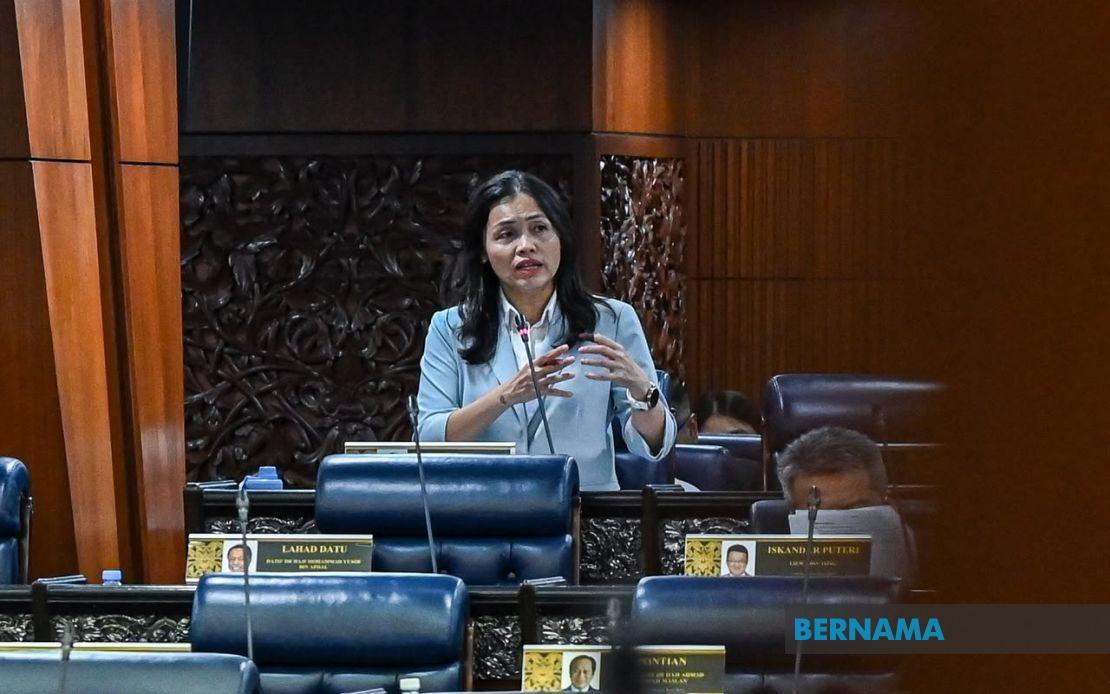
Malaysia's parliament has given final approval to amendments overhauling the Communications and Multimedia Act, a legislative move aimed at modernising the legal framework governing the nation's digital infrastructure while addressing both security imperatives and the persistent challenge of connecting remote communities. The Dewan Rakyat passed the Communications and Multimedia (Amendment) Bill 2026 following debate involving 18 parliamentarians, with Deputy Communications Minister Teo Nie Ching emphasising that the reform responds to rapid technological shifts and geopolitical tensions without imposing fresh levies on consumers or service users.
At the legislative heart of the amendments lies the introduction of a National Universal Service Provision (USP) initiative, which embeds national security safeguards directly into the framework governing how digital networks and services operate across the country. The revisions deliberately sidestep expanding the regulatory reach of the underlying Act 588 into domains managed by other government agencies, instead concentrating its force on the communications and multimedia sector itself. This targeted approach reflects parliamentary concern about regulatory duplication and inter-agency overlap that has historically complicated Malaysia's digital governance landscape.
Teo articulated the government's reasoning with particular emphasis on relevance and timeliness. She highlighted that technological advancement, evolving geopolitical conditions, and Malaysia's deepening dependence on critical digital systems necessitate a communications law that can flex and adapt rather than ossify. The USP framework specifically targets network facilities installation and the delivery of associated services, creating a modernised backbone for how Malaysia conceptualises universal access in an era of cyber threats and infrastructure vulnerability. By anchoring security considerations into this foundational provision, lawmakers signalled that connectivity and protection are no longer separable concerns.
A central reassurance offered during parliamentary debate concerned the financial architecture underpinning the USP initiative. The government addressed head-on the anxiety that costs might migrate from the state to household bills by clarifying that the USP Fund draws exclusively from mandatory contributions imposed on licensed operators under Act 588. These monies are ringfenced and can be deployed solely to finance network infrastructure and related services, creating a transparent cost allocation that shields the general public from bearing implementation expenses. This financing model represents a deliberate policy choice to redistribute the burden of digital universalisation toward service providers rather than consumers.
Rural and remote connectivity emerged as a potent political and humanitarian concern throughout the parliamentary discussion. Datuk Suhaimi Nasir, representing Libaran, pointedly invoked the imperative to eliminate communications deserts across Sabah's rural, interior, coastal and island territories. His intervention underscored that the digital divide remains not merely an economic disadvantage but a safety hazard; reliable networks during emergencies and natural disasters can mean the difference between swift aid deployment and chaos. This framing resonates acutely in Malaysia, where monsoon floods and occasional seismic activity regularly expose the vulnerability of communities cut off from emergency communication channels.
The balance sheet of existing USP funding sparked scrutiny from Datuk Mohd Suhaimi Abdullah, the Langkawi representative, who pressed the Communications Ministry to disclose the current Kumpulan Wang USP balance and detail planned spending. His intervention reflected legitimate parliamentary vigilance that the amendment might inadvertently reprogram funds away from rural infrastructure development toward security enhancements. This tension between the universality imperative and the security mandate reflects a genuine policy challenge: how to simultaneously expand coverage to marginal areas while hardening systems against cyber intrusion and sabotage, both within finite resource constraints.
Digital manipulation and cybersecurity vulnerabilities prompted Datuk Shahelmey Yahya, from Putatan, to propose that evolving forms of digital attack and fraud be formally gazetted periodically, enabling public awareness and protective behaviour. This suggestion acknowledges that cyber threats mutate rapidly, and citizens cannot defend themselves against risks they do not recognise or understand. His call for enhanced in-house cybersecurity capacity within the Malaysian Communications and Multimedia Commission (MCMC) reflects concern that regulatory agencies may lack specialised talent to keep pace with sophisticated threat actors, whether foreign state actors or criminal syndicates targeting financial systems and personal data.
The amendments carry particular resonance for Malaysia's position within Southeast Asia's digital economy. As the region's integration deepens and cross-border data flows intensify, Malaysia's ability to maintain secure, resilient communications infrastructure affects not only domestic interests but the stability of regional commerce and cooperation. The legislative move signals the government's awareness that technological sovereignty and critical infrastructure resilience have become prerequisites for maintaining economic competitiveness and geopolitical credibility in an increasingly digital and contested regional environment.
Implementation challenges will likely emerge as the USP framework takes operational shape. Reconciling the pursuit of universal coverage in economically marginal territories with the capital intensity of hardened, secure infrastructure will require sophisticated project management and potentially difficult prioritisation decisions. The MCMC will face pressure to expand both its technical capacity and its coordination role across an increasingly complex communications ecosystem where legacy networks, emerging technologies, and security requirements all demand integration.
The passage of these amendments also reflects broader Malaysian political consensus around digital modernisation, even as specific implementation details remain contested. No parliamentary faction opposed the underlying premise that the communications legal framework requires updating; disagreement centred on financing mechanisms, rural equity, and security agency coordination. This consensus, however fragile, provides a foundation for the government to proceed with transposing the legislative framework into regulatory guidance and enforcement practice over coming months.

