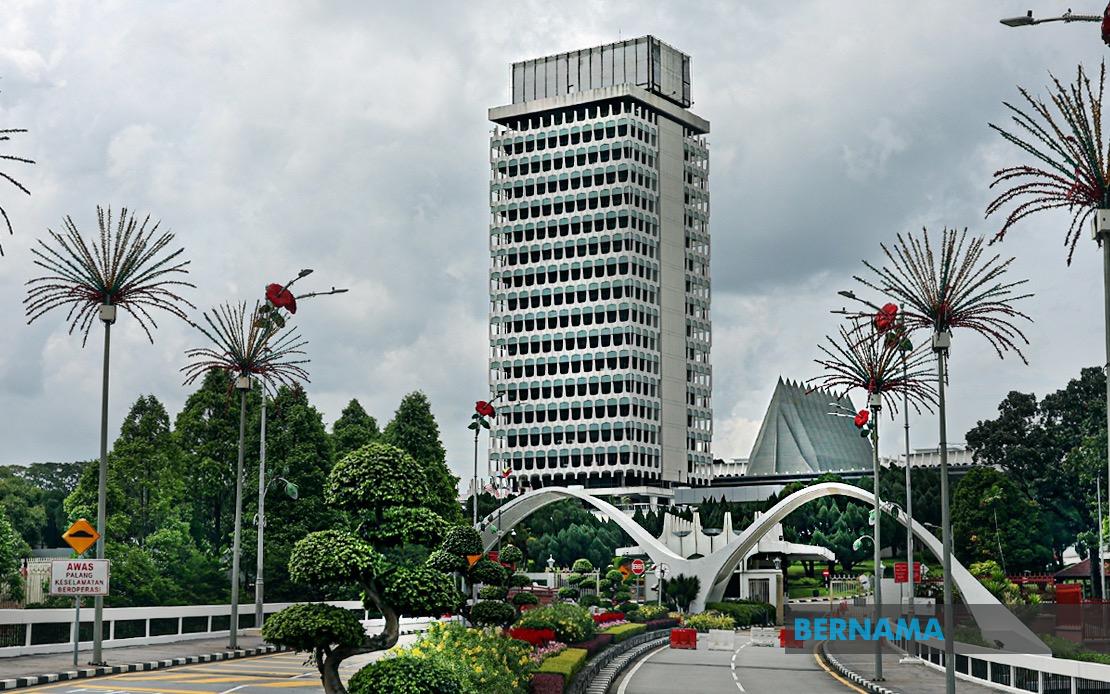
The Dewan Rakyat convenes today for a parliamentary session that will place considerable emphasis on understanding the ripple effects of regional instability on Malaysia's vital tourism industry, alongside pressing national security matters centred on the nation's maritime borders. The 16-day sitting, which extends through July 16, signals Parliament's recognition that geopolitical tensions thousands of kilometres away are reshaping travel patterns and visitor confidence in Southeast Asia's largest tourism destination, with Malaysia already working to maintain its competitive position in an increasingly unpredictable global travel market.
Dr Ahmad Fakhruddin Fakhrurazi from PN-Kuala Kedah will lead questioning around the tourism sector's vulnerability, specifically asking the Tourism, Arts and Culture Minister to detail how ongoing conflict in West Asia has dampened visitor numbers from the Middle Eastern, European, and West Asian regions—three traditionally significant source markets for Malaysian arrivals. The query goes beyond mere statistics, probing into what concrete strategies the Government has deployed to insulate the tourism recovery from geopolitical shocks. This line of inquiry reflects mounting concern among lawmakers that Malaysia's tourism growth, which has steadily climbed since the pandemic recovery, may face headwinds if regional security perceptions deteriorate further or if nervous international travellers continue redirecting holiday plans elsewhere in Southeast Asia.
The tourism question carries particular weight for Malaysia's economic outlook. The nation has invested heavily in positioning itself as a safe, diverse destination capable of attracting ultra-high-net-worth individuals and families from the Middle East, a demographic that traditionally brings substantial per-visit spending. Any sustained decline in arrivals from wealthy Gulf states or European holidaymakers deterred by safety concerns would erode revenue at a time when Malaysia needs tourism's foreign exchange contribution to support broader economic objectives. Parliamentary scrutiny of government strategy suggests officials may need to boost marketing efforts in less volatile regions and possibly enhance destination safety messaging to reassure hesitant travellers.
Langkawi emerges as a second major parliamentary focus, with Datuk Mohd Suhaimi Abdullah, the PN representative for the island constituency, questioning the Home Minister about security agency preparedness to counter migrant smuggling operations and illicit goods trafficking. Given Langkawi's strategic location near the Malaysia-Thailand maritime boundary, the island has become a critical flashpoint for human trafficking networks exploiting sea routes. The query directly addresses whether available assets and trained personnel are sufficient to manage the scale and sophistication of organised smuggling activities that exploit Langkawi's geography and its relatively remote waters.
The parliamentary concern over Langkawi security extends to examining whether Malaysia should deploy unmanned aerial vehicle technology to strengthen maritime monitoring. Datuk Mohd Suhaimi's question about establishing drone surveillance systems reflects broader Southeast Asian recognition that traditional patrol methods alone cannot adequately cover vast maritime areas where smugglers operate with increasing organisation and technology. For Malaysia, where the Strait of Malacca and surrounding waters constitute critical transit zones for regional and global trade, the failure to detect and intercept human trafficking operations poses both humanitarian and sovereignty challenges. Enhanced UAV capabilities could significantly improve detection rates while reducing operational costs compared to conventional patrol vessels.
Beyond tourism and border security, Parliament will address conservation challenges in Malaysian states where human-wildlife conflict has intensified. Manndzri Nasib, representing Tenggara for the ruling coalition, will question the Natural Resources and Environmental Sustainability Minister about the effectiveness of Ecological Fiscal Transfer allocations and community programmes administered by PERHILITAN in mitigating deadly encounters between humans and elephants. This inquiry reflects a critical gap in Malaysian environmental policy: whether additional funding translates into measurable reductions in the incidents where elephants raid agricultural areas or enter human settlements, often resulting in animal deaths or human injuries.
The question regarding Electric Fencing for Elephants systems highlights how Malaysia is adapting international conservation technology to its specific ecological challenges. SPEG installations have shown promise in other Asian nations as a non-lethal deterrent that protects both agricultural livelihoods and wild elephant populations. By asking about the Ministry's plans to expand SPEG use across multiple states and coordinate with relevant agencies, Parliament signals recognition that fragmented, isolated conservation efforts have proven inadequate. Coherent, coordinated implementation across state boundaries and involving multiple stakeholders—including agricultural departments, wildlife authorities, and local communities—represents the necessary evolution in approach.
Housing affordability constitutes another area demanding parliamentary attention. Datuk Willie anak Mongin from GPS-Puncak Borneo will seek detailed breakdowns of unsold affordable housing inventory by state and price category, alongside empirical data on home ownership rates among Malaysians under 35. This line of questioning addresses a persistent government challenge: despite numerous affordable housing initiatives and financing schemes, young Malaysians continue facing substantial barriers to property ownership. By requesting granular data disaggregated by state and parliamentary constituency, lawmakers are signalling that one-size-fits-all national policies may inadequately address the vastly different housing affordability crises in high-cost urban centres like Kuala Lumpur and Selangor compared to less developed states.
The disparity between policy objectives and actual outcomes in affordable housing reflects complex market dynamics, from construction cost inflation to property speculation, that standard interventions have struggled to overcome. Parliament's demand for detailed statistics suggests growing impatience with aspirational targets that fail to translate into tangible improvements in youth home ownership rates. The constituency-level breakdown request indicates lawmakers recognise that their constituents increasingly expect evidence-based accountability for housing programmes, not merely ministerial assertions of progress.
Two significant legislative proposals will advance during this sitting. The Sexual Offences against Children (Amendment) Bill 2026 will undergo second reading, continuing Parliament's incremental strengthening of legal protections for vulnerable minors against sexual abuse and exploitation. This amendment suggests ongoing refinement of Malaysia's legal framework to address emerging threats, including online exploitation and trafficking networks targeting children. Simultaneously, the Employment Insurance System (Amendment) Bill 2025 will progress through its second reading, potentially expanding or adjusting social protections for workers. Both bills reflect Parliament's ongoing effort to modernise Malaysia's legislative architecture in response to evolving social challenges.
The breadth of today's parliamentary agenda—spanning tourism resilience, border security, wildlife conservation, housing equity, and legislative reforms—underscores how Malaysian policymakers recognise interconnections between geopolitical stability, domestic security, environmental sustainability, economic opportunity, and social welfare. These parliamentary questions and legislative items collectively represent Parliament's attempt to address how external shocks and internal structural challenges simultaneously shape Malaysian prosperity and national wellbeing.

