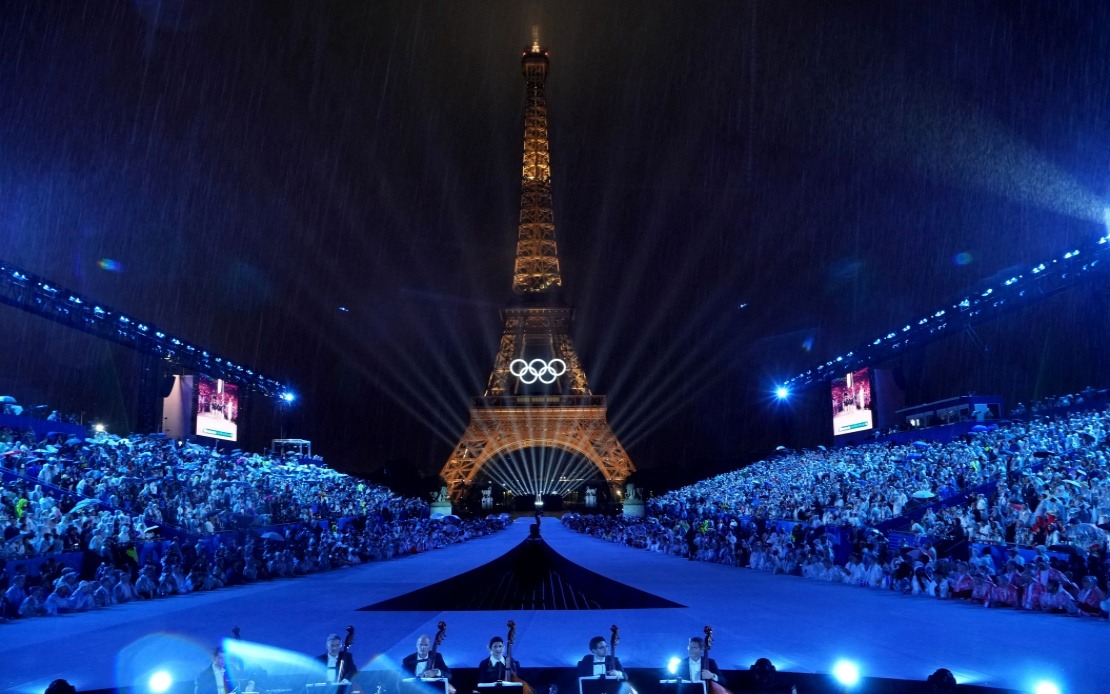
France's most celebrated cultural attractions have taken the unprecedented step of curtailing operating hours as the country grapples with an exceptional heatwave that is driving temperatures to dangerous levels across much of the nation. The Eiffel Tower, one of the world's most visited monuments, shuttered its doors at 4.00 pm on Tuesday rather than its normal closing time, with last entry restricted to 12.15 pm. The decision reflected growing concerns about heat-related health risks among both the thousands of daily visitors and the staff who work in the tower's upper levels, where conditions become significantly more intense when external temperatures soar.
Management at Societe d'Exploitation de la tour Eiffel, the operating company responsible for the landmark, issued a statement emphasizing that the extreme conditions left them with no alternative but to modify schedules. The priority, they insisted, remained protecting everyone on the premises from the compounding effects of heat exposure in a crowded environment. Visitors who held tickets for time slots beginning from 11.30 am for stair access and 12.00 pm for lift access were automatically eligible for full refunds, ensuring that tourists would not face financial losses due to the emergency measures. This administrative accommodation demonstrates how seriously Paris is treating the heat crisis, even at the cost of revenue interruption during peak summer season.
The Louvre Museum followed suit with similar protective measures. Beginning Wednesday and continuing through to Saturday, the world-famous art institution will close four hours earlier than usual, shutting at 4.00 pm instead of the standard 6.00 pm departure time. The museum's leadership made clear that maintaining comfortable conditions for its visitors—particularly vulnerable groups such as children, elderly patrons, and those with existing health conditions—took precedence over extended operating hours. These are not routine scheduling adjustments but extraordinary responses to meteorological conditions that French authorities have classified as genuinely hazardous.
Meteo-France, the country's national weather service, painted a stark picture of conditions across the nation on Tuesday. Temperatures in the French capital itself had already reached 36 degrees Celsius by mid-afternoon, yet the forecasts suggested this was merely the prelude to even more extreme heat. Paris anticipated peak temperatures of 38 degrees Celsius on Wednesday, with forecasters indicating that the dangerous conditions would persist through at least Thursday. Such sustained high temperatures represent a serious public health concern, particularly in urban areas where concrete and asphalt intensify the heat and where air conditioning may not be universally available.
The geographic scope of the alert demonstrated the nationwide character of this climatic emergency. Meteo-France placed 54 departments across mainland France under the highest alert level—the red heatwave alert—indicating that roughly half the country's administrative divisions were facing exceptional heat stress. An additional 35 departments operated under orange alert status, the second-highest warning tier. This coverage illustrated that the heatwave was not localized to a particular region but represented a systematic weather phenomenon affecting vast swaths of the nation from the Mediterranean north to the Channel coast.
For Malaysian and Southeast Asian readers, this European heatwave serves as a sobering reminder of climate change impacts that extend far beyond tropical regions. While Malaysia regularly experiences temperatures in the high 30s Celsius year-round, the vulnerability lies in different factors—sudden spikes above seasonal norms, humidity levels that prevent effective cooling, and infrastructure not designed to handle sustained extremes. European cities like Paris, accustomed to temperate climates with more moderate summers, face acute challenges when temperatures breach historical averages because buildings, public infrastructure, and emergency services are calibrated for cooler conditions.
The closure decisions also highlight how climate change is increasingly forcing cultural and tourist institutions worldwide to adapt operational practices. The Eiffel Tower and Louvre cannot relocate; they must manage in place, which means finding creative solutions when environmental conditions pose risks. This represents a new normal in which heritage sites and major public spaces may require more flexible scheduling, improved ventilation systems, and contingency protocols for extreme weather. The trend carries implications for every region, including Southeast Asia, where tourism-dependent economies must balance visitor experience with occupational health and safety concerns.
From an economic perspective, these closures carry measurable consequences. Peak summer represents the height of tourist season in Paris, when the Eiffel Tower and Louvre typically operate at near-maximum capacity. Reduced hours on multiple consecutive days reduces daily visitor throughput and associated revenue from tickets, concessions, and ancillary services. However, authorities have determined that this economic cost pales in comparison to potential liability and reputational damage that would result from heat-related illness or worse among visitors or staff. The decision reflects a prioritization of human welfare over short-term financial returns—a principle that should resonate across the tourism industry globally.
The broader context reveals France's vulnerability to climate volatility despite being one of Europe's wealthiest nations with sophisticated infrastructure. The country has experienced multiple major heatwaves in recent decades, including the devastating 2003 event that killed thousands. Each occurrence prompts discussion about improved warning systems, cooling centers for vulnerable populations, and modifications to building codes. Yet even with this accumulated experience, the emergence of such intense heat still requires emergency measures that disrupt normal life and commerce.
For travelers from Malaysia and the region planning European visits, this episode underscores the importance of monitoring weather forecasts and maintaining flexibility in itineraries. What might seem like routine summer conditions in Southeast Asia can represent genuine health hazards in temperate zones where populations and infrastructure have evolved with different climatic assumptions. Visitors should pack appropriate sun protection, stay hydrated, and respect any operational changes at major attractions rather than viewing them as obstacles.
Looking ahead, the challenge facing Paris and other European cities involves building resilience against increasingly frequent and intense heat events. This may require rethinking urban design, investing in tree coverage and green spaces, upgrading cooling infrastructure in public buildings, and developing sophisticated early-warning systems that can trigger preventive measures before crises occur. The Eiffel Tower and Louvre closures, while dramatic, represent relatively modest adaptations. The deeper transformation required involves fundamentally reimagining how cities function in a warming climate.

