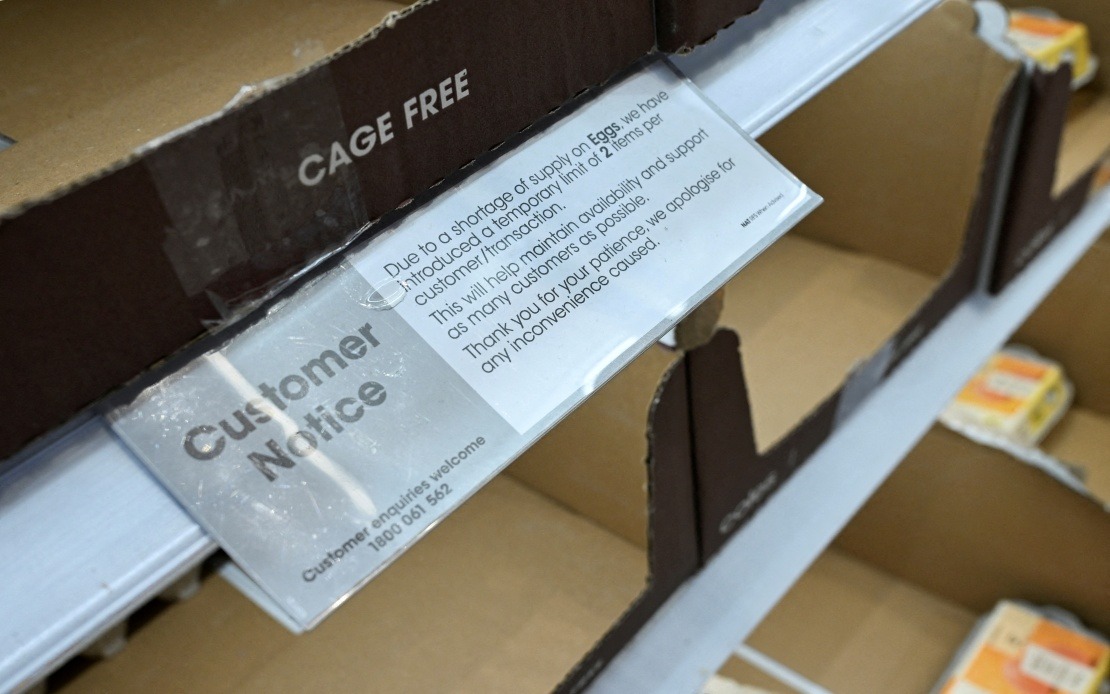
Papua New Guinea's National Agriculture and Quarantine Inspection Authority has implemented a sweeping import ban on all Australian poultry meat, poultry products, and eggs, responding swiftly to the discovery of two H5N1 avian influenza cases in Western Australia. The prohibition took effect on Monday and represents a significant disruption to a major bilateral trade corridor in the Indo-Pacific region. Australia's Department of Agriculture, Fisheries and Forestry formally notified trading partners of the restriction on Tuesday, acknowledging PNG's precautionary stance even as Canberra maintains that the country remains free from H5N1 in its poultry sector according to World Organisation for Animal Health standards.
The timing of PNG's action underscores the heightened vigilance sweeping through Asia-Pacific agricultural sectors as bird flu continues to pose a tangible threat to food supply chains and export revenues. While Australia technically meets international protocols for disease-free status, PNG's decision reflects the real-world anxieties that guide quarantine policy in the region. Such defensive measures, though economically painful for exporting countries, serve as rational insurance against the catastrophic spread of highly pathogenic influenza strains that could devastate domestic poultry industries and trigger public health emergencies.
The financial stakes are substantial. In the 2023-24 financial year, Australian chicken meat exports reached a record A$133 million, with PNG accounting for nearly half that figure at A$60 million annually. For a developing nation like PNG that relies on agricultural imports to supplement local production, such trade restrictions create immediate supply pressures and potential price spikes for consumers and food businesses dependent on affordable protein sources. The suspension threatens to disrupt established distribution networks and force retailers and food processors to source alternatives, a logistical challenge that ripples through PNG's already constrained supply chains.
Canberra is not sitting passively. Julie Collins, Australia's Minister for Agriculture, Fisheries and Forestry, revealed that the federal government is in direct negotiations with PNG authorities to restore the trade relationship. In comments to the Australian Broadcasting Corporation, Collins emphasised that Australia continues to closely monitor H5 bird flu detections in wildlife populations and is actively assembling the technical evidence and assurances needed to convince trading partners that exports remain safe. This diplomatic engagement reflects both the importance of the PNG market and the broader challenge facing all exporters in a world where trade partners demand ever-higher biosecurity guarantees.
Industry responses have been equally robust. Ingham's, Australia's largest poultry producer, announced a complete operational lockdown across its Western Australian facilities on Monday as a precautionary measure to contain potential infection risks. This self-imposed restriction, while painful in the short term, demonstrates the industry's understanding that maintaining market access depends on demonstrating absolute operational integrity. The lockdown also illustrates how a single pathogenic detection can cascade through supply networks, affecting not just one facility but entire state-level operations.
The H5N1 virus poses particular concerns because of its documented capacity to cause severe illness in humans and its capacity to spread among bird populations across vast distances. While cases detected in Australian wildlife do not automatically translate to poultry infections, quarantine authorities operate under the principle that preventing entry is far less costly than managing an outbreak. PNG's rapid response reflects this logic, particularly given that the island nation's geographic isolation and developing agricultural infrastructure make it vulnerable to rapid disease spread if contamination does occur.
For Malaysia and the broader Southeast Asian region, PNG's action carries instructive implications. Trade disruptions stemming from disease outbreaks remain a significant risk in the region's interconnected food systems. Malaysia, as both an importer of poultry products and a nation with its own export interests, faces similar biosecurity dilemmas when deciding whether to restrict foreign agricultural imports. The PNG case demonstrates that even close trading partners and developed economies can face sudden market access losses when disease threats emerge, regardless of international certification status.
The episode also highlights the economic vulnerability of agricultural exporters in an era of heightened disease scrutiny. Australia's poultry sector has built substantial export markets based on reputation and reliability, yet those markets remain contingent on the absence of pathogenic detection, even in wild populations. The discovery of H5N1 in Western Australia wildlife, while perhaps geographically distant from commercial poultry operations, was sufficient to trigger major trading partners to reassess risk and act defensively. This pattern will likely repeat across multiple agricultural commodities and regions as climate change, habitat disruption, and global connectivity create conditions favouring pathogen emergence.
Canberra's diplomatic initiative aims to establish technical protocols and testing regimes that would reassure PNG that Australian poultry remains safe despite the wildlife detections. This approach typically involves demonstrating that detected cases are geographically contained, that no transmission to commercial operations has occurred, and that enhanced surveillance and biosecurity measures are in place. Such negotiations often take weeks or months, during which exporters lose revenue and market share while alternative suppliers gain ground.
For PNG specifically, the suspension creates immediate challenges for food security and consumer pricing. The nation has limited domestic poultry production capacity and relies on imports to meet protein demand affordably. While alternative sources from other countries may eventually emerge, the disruption period creates vulnerability, particularly for lower-income households and institutions like schools and hospitals that depend on stable, affordable protein supply. Food inflation resulting from supply shocks can have measurable effects on nutritional outcomes in developing countries.
The incident also underscores why regional cooperation on biosecurity standards and information-sharing remains critical for Southeast Asia. When one country detects a pathogenic threat, rapid, transparent communication allows neighbouring nations to calibrate their own responses proportionately. Conversely, when communication breaks down or suspicions arise about concealment, trading partners default to defensive measures that harm everyone economically. Australia's transparent reporting of H5N1 detections and engagement with trading partners demonstrates best practice, yet the economic pain inflicted on exporters illustrates why countries sometimes face temptation to delay disclosing disease findings.
Moving forward, the resolution of this trade dispute will depend on epidemiological evidence, diplomatic negotiation, and PNG's assessment of residual risk. If testing confirms that H5N1 remains confined to wildlife and absent from commercial poultry operations, PNG may gradually lift restrictions while implementing enhanced import protocols. If additional detections occur in poultry or supporting industries, the suspension could extend considerably, creating longer-term market restructuring in the region. Either way, this episode reinforces that agricultural trade in the Indo-Pacific region remains hostage to invisible pathogens and that biosecurity vigilance, while economically disruptive, represents the cost of operating in a world where disease threats are permanent features of agricultural commerce.

