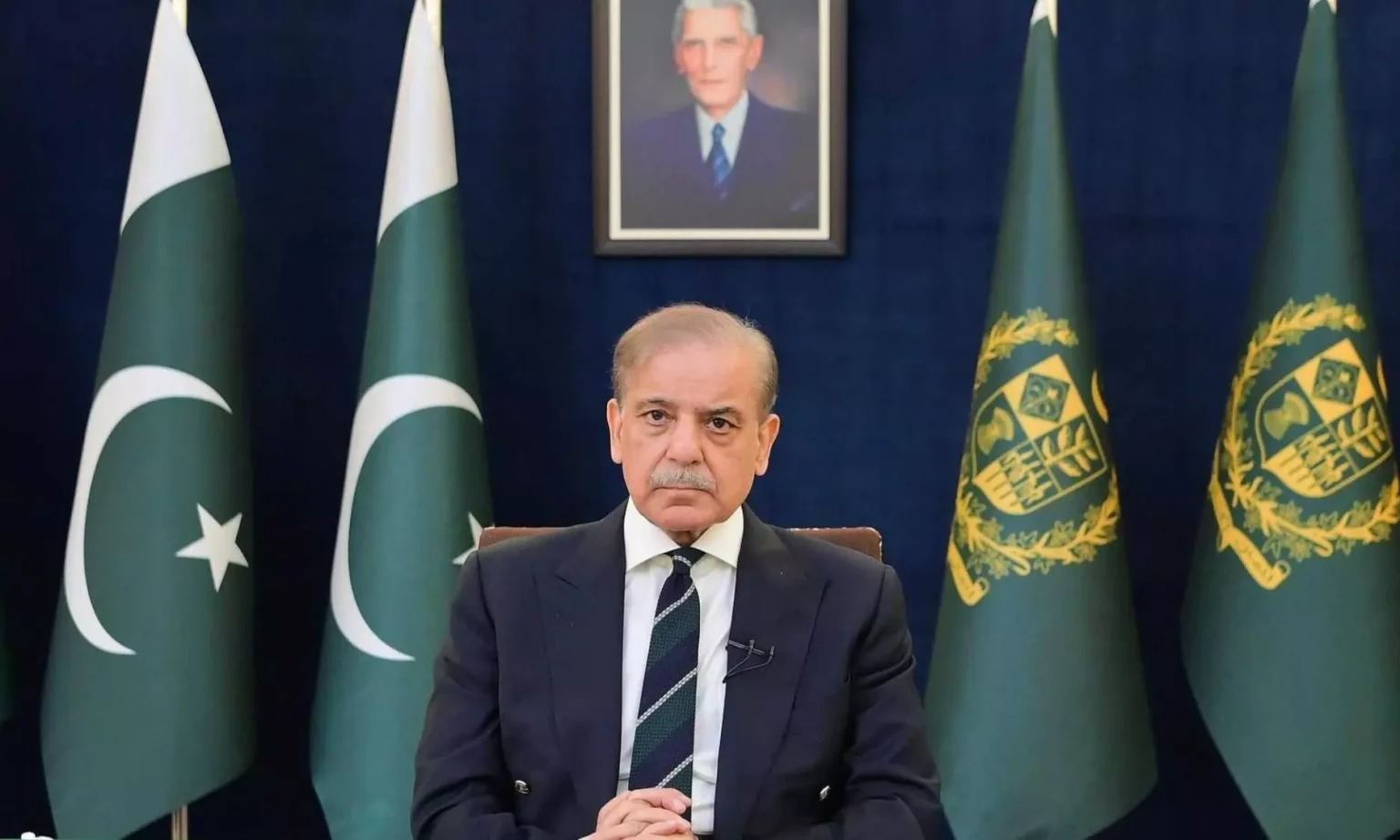
Pakistan Prime Minister Shehbaz Sharif will join world leaders and dignitaries gathering in Tehran on July 4 to pay final respects to Iran's Supreme Leader Ayatollah Ali Khamenei, signalling Islamabad's commitment to maintaining strong diplomatic ties with its neighbour across the Arabian Sea. The attendance underscores Pakistan's continued investment in bilateral relations with Iran during a period of transition in the Islamic Republic's leadership.
Foreign Ministry spokesman Tahir Andrabi confirmed the attendance at a media briefing in Islamabad on Thursday, emphasizing that Shehbaz would convey heartfelt condolences on behalf of Pakistan's government and citizens to Iran's leadership and Khamenei's family members. The diplomatic gesture carries particular weight given the complex history of relations between the two Muslim-majority nations, which share borders and have navigated competing regional interests over decades. By dispatching his prime minister personally, rather than a lower-ranking official, Pakistan has demonstrated the gravity with which it views honouring Iran's departed leader.
The prime minister's participation forms part of a broader regional tour scheduled for July 3 to 5. Following the funeral ceremonies in the Iranian capital, Shehbaz will travel onward to Turkey at the explicit invitation of President Recep Tayyip Erdogan. This two-country itinerary reflects the interconnected nature of diplomatic engagement in West and South Asia, where senior political figures often combine condolence visits with substantive policy discussions on contentious bilateral and regional matters.
A high-level delegation will accompany Shehbaz throughout the journey, including Deputy Prime Minister and Foreign Minister Ishaq Dar alongside several other cabinet-level ministers. The composition of this entourage signals that discussions in both Tehran and Ankara will encompass significant policy matters requiring ministerial expertise. The presence of Ishaq Dar, who holds the dual responsibilities of deputy premier and foreign affairs portfolio, indicates that substantial conversations on trade, security, and geopolitical positioning are anticipated during the visit.
Meanwhile, India has opted for representation at a different level. The Indian delegation will comprise Bihar state governor Syed Ata Hasnain and deputy foreign minister Pabitra Margherita, reflecting New Delhi's approach to acknowledging the occasion while perhaps preserving diplomatic bandwidth for other priorities. This contrast in delegation levels reveals how nations calibrate their attendance and representation at such events to align with their respective strategic interests and bilateral relationships with Iran.
Khamenei's death marks a significant turning point for Iran, as the Supreme Leader serves as the highest-ranking political and religious authority in the Islamic Republic's governance structure. His passing necessitates the complex process of succession and potentially signals shifts in how Tehran will approach its regional relationships and international diplomacy. The funeral gathering provides an opportunity for regional powers to both express condolences and potentially engage in preliminary discussions about the trajectory of Iran's future leadership and policies.
For Pakistan, this funeral attendance carries additional resonance. Relations between Islamabad and Tehran have historically centred on shared religious bonds, trade partnerships, and occasional tensions over border security and sectarian issues. Pakistan's border regions have experienced spillover effects from Iran's internal dynamics, making the health and stability of Iran-Pakistan relations a matter of genuine national security concern for Islamabad. The decision to send the prime minister underscores how seriously the Pakistani government views this relationship.
The subsequent leg to Turkey demonstrates Pakistan's multi-vector foreign policy approach. Ankara has emerged as an increasingly important player in Middle Eastern geopolitics and shares Pakistan's concerns about regional stability. Turkish-Pakistani cooperation spans defence, economic, and diplomatic domains, with both nations maintaining significant interests in Central Asia, the Middle East, and the broader Islamic world. The timing of Shehbaz's visit to Erdogan allows for discussions that might address how changing circumstances in Iran could affect broader regional arrangements.
For Malaysian observers, this diplomatic ballet illustrates how South and West Asian powers navigate the complexities of engaging with Iran despite international sanctions and internal political turbulence. Malaysia, itself a significant Muslim-majority economy with interests spanning the Indian Ocean to the Middle East, watches how regional powers like Pakistan manage their Iran relationships while maintaining broader international commitments. The funeral represents a moment when traditional diplomacy and condolences intersect with substantive policy realignment discussions, a pattern familiar to smaller regional players seeking to understand how geopolitical shifts might affect their own interests and partnerships in the region.

