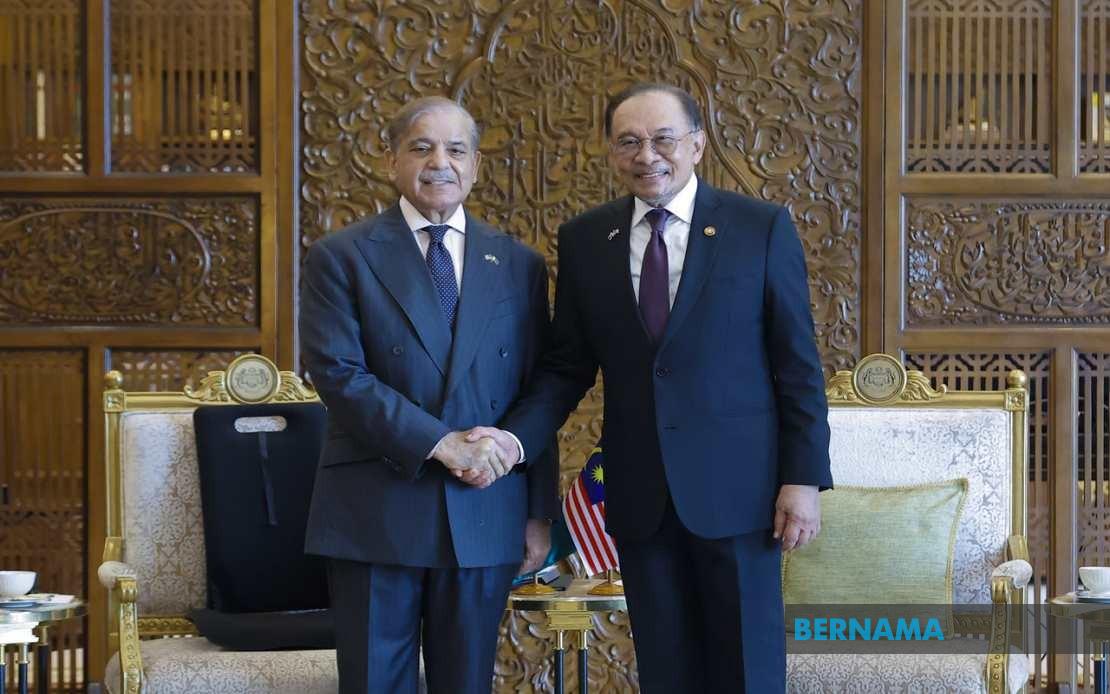
Pakistani Prime Minister Shehbaz Sharif has extended his best wishes to Malaysian Prime Minister Datuk Seri Anwar Ibrahim as the latter undergoes a series of scheduled medical procedures and examinations. In a gesture of bilateral goodwill, Sharif conveyed prayers for Anwar's prompt recovery and return to full health, underscoring the diplomatic ties between the two nations.
The Pakistani premier took to social media on Monday to publicly express his sentiments, framing the message around personal regard for his Malaysian counterpart. His statement reflected not only individual concern but also the broader support of the Pakistani people, whom he said had joined him in hoping for Anwar's continued wellness. The phrasing of his wishes emphasised the importance both countries place on their leadership remaining in robust condition to steer governance agendas.
According to Anwar's Senior Press Secretary Tunku Nashrul Abaidah, the medical procedures were part of a comprehensive examination protocol developed by the Prime Minister's team of medical specialists. The announcement came with transparency regarding the nature of the intervention, positioning it as a planned and professionally managed health assessment rather than an emergency medical matter. This disclosure helped reassure both the Malaysian public and international observers about the continuity of governance.
The Malaysian Prime Minister is expected to remain under medical observation for a two-day period following the procedures. During this time, he will be monitored to ensure proper recovery and to allow medical staff to assess the outcomes of the treatments administered. The duration of observation reflects standard medical practice for procedures of this type, providing a window within which any complications could be identified and addressed promptly.
The exchange between the two prime ministers highlights the personal relationships that exist among regional and international leadership. Sharif's willingness to make a public statement of support demonstrates the value placed on maintaining warm ties with neighbouring and friendly nations in South and Southeast Asia. Such gestures, though often ceremonial in nature, contribute to the broader fabric of diplomatic relations that underpin regional cooperation and mutual respect.
For Malaysia, the episode serves as a reminder of the importance of transparent communication regarding the health and availability of senior government officials. In modern governance, particularly in Southeast Asia where political transitions can sometimes be turbulent, clarity about leadership continuity provides stability to markets, institutions, and public confidence. The fact that Anwar's office provided timely and detailed information about the procedures reflected professionalism in crisis communication.
Pakistan and Malaysia have maintained historically cordial relations, with connections rooted in shared Islamic heritage, trade partnerships, and cultural exchanges. The public expression of concern from Islamabad therefore carries significance beyond mere courtesy. It reflects genuine investment in the stability of Malaysian governance and the wellbeing of a leader with whom Pakistan conducts substantial bilateral business and diplomatic engagement.
Anwar Ibrahim's return to the prime ministerial office in late 2022 marked a significant chapter in Malaysian politics, ending years of legal battles and political exclusion. Since assuming office, he has pursued economic reforms and sought to strengthen Malaysia's regional standing. Any disruption to his capacity to govern, even temporarily, carries implications for policy implementation and the various initiatives his administration has undertaken.
The two-day observation period represents a brief interlude in the normal functioning of the Prime Minister's office. While Malaysia has constitutional provisions for delegating authority during periods when the PM is incapacitated, the relatively short recovery timeline suggests minimal disruption to ongoing governance. Modern communication technologies also enable continued engagement with senior officials even during medical observation, though hands-on decision-making may be limited.
Sharif's message also reflects broader diplomatic norms in which leaders extend courtesy to counterparts facing health challenges. Such acts, typically publicised to demonstrate international goodwill, serve multiple audiences: the immediate recipient, their government and people, and the wider international community observing interstate relations. By framing his wishes in religious terms with reference to Allah's blessing, Sharif also appealed to the shared Islamic values that bind Pakistan and Malaysia.
Looking forward, Anwar's swift recovery would allow the Malaysian administration to maintain momentum on its policy agenda without interruption. The Prime Minister has been actively engaged in addressing economic challenges, managing fiscal concerns, and pursuing structural reforms in various sectors. Continuity in leadership focus during this critical period supports these ongoing efforts and prevents the vacuum that might otherwise emerge during prolonged absences from active duty.

