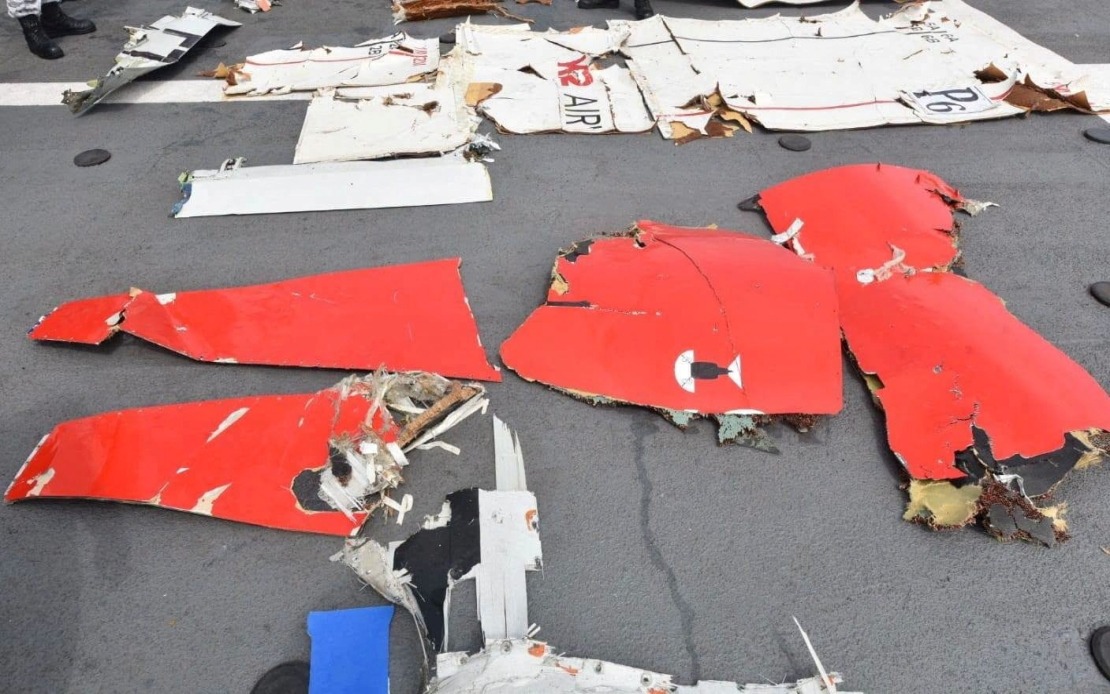
Pakistan's naval units have recovered fragments of a cargo aircraft in the Arabian Sea, marking a grim development in the search for a missing K2 Airways plane and its crew. The Boeing 737 debris was discovered off the coast near Amara, west of Karachi, after Pakistani airport authorities coordinated a 12-hour recovery operation that began after the aircraft vanished from radar on Tuesday evening. However, despite locating the aircraft's remains, authorities have found no sign of the five crew members aboard the flight.
The discovery brings limited clarity to one of Pakistan's recent aviation incidents. Contact with the aircraft was lost late on Tuesday as it travelled from Sharjah in the United Arab Emirates to Karachi. According to Pakistani airport authorities, the crew had reported experiencing navigation difficulties before the plane rapidly descended and disappeared from air traffic control radar. The swift loss of altitude and sudden radar loss suggest the aircraft encountered severe difficulties during its final moments, though investigators have not yet determined the precise cause of the emergency.
Severe weather conditions are significantly hampering the ongoing search and recovery operation. Rough seas triggered by the start of the monsoon season have made it dangerous for naval personnel to conduct thorough searches of the area where wreckage was found. These challenging maritime conditions could explain why only fragments have been recovered rather than more substantial sections of the fuselage, and why crew members have not yet been located. The Arabian Sea's notorious summer conditions create a particularly difficult environment for maritime rescue operations, limiting both visibility and the ability to navigate safely through debris fields.
K2 Airways, the private Pakistani carrier operating the aircraft, has issued statements naming the five crew members and expressing solidarity with their families. The airline confirmed that it comprises two pilots, two engineers, and a loadmaster, all of whom were aboard during the ill-fated flight. In a Facebook post, K2 Airways stated that the company is extending full cooperation to Pakistan's Civil Aviation Authority and other government agencies involved in the investigation and search effort. The airline requested continued prayers for the safety of its colleagues, reflecting the grim uncertainty surrounding the crew's fate.
The incident prompted a swift response from Pakistan's political leadership. Prime Minister Shehbaz Sharif expressed his condolences to the families of the crew members and acknowledged the gravity of the situation. Such high-level statements underscore the significance of aviation accidents within Pakistan's national consciousness and the importance placed on supporting families affected by such tragedies. The Prime Minister's public acknowledgement also signals government commitment to a thorough investigation into the circumstances surrounding the disappearance.
The aircraft involved in the accident has a complex operational history that may be relevant to investigators. The Boeing 737 was originally manufactured and entered service in 1999 as a passenger aircraft, but was subsequently converted for cargo operations. This conversion, common in the aviation industry as passenger aircraft age, involves significant structural and operational modifications. Investigators will likely examine whether any factors related to the aircraft's age, maintenance history, or conversion specification contributed to the emergency that led to its loss.
K2 Airways itself is a relatively young operator within Pakistan's aviation sector, having commenced operations only in 2018. The airline operates within Pakistan's competitive cargo and logistics market, serving routes that connect the country with major international hubs. The company's emergence as a private carrier reflects broader trends in Pakistani aviation, where private operators have expanded capacity in cargo operations to meet growing domestic and regional demand for air freight services. The loss of one of K2 Airways' aircraft represents a significant setback for the relatively new airline.
The investigation into this incident will have implications beyond Pakistan's borders. The route from Sharjah to Karachi represents a critical connection within South Asian and Gulf trading networks, particularly for time-sensitive cargo that requires air transport. Any findings regarding the accident's cause could affect operations along this heavily-used corridor and may prompt scrutiny of similar aircraft operating in the region. Southeast Asian carriers that operate comparable aging cargo aircraft or conduct business with Pakistani operators will likely monitor the investigation's conclusions regarding maintenance, crew training, or technical factors.
The disappearance also highlights persistent challenges in aviation safety across South Asia. Pakistan has experienced several high-profile aviation incidents in recent years, prompting international focus on the country's regulatory frameworks and airline operational standards. While K2 Airways is a private operator and presumably subject to Civil Aviation Authority oversight, questions may emerge about the adequacy of monitoring systems, maintenance protocols, and crew training standards across Pakistan's aviation sector. Regional authorities throughout Southeast Asia, India, and the broader Indian Ocean region may use findings from this investigation to reassess their own safety oversight mechanisms.
As the search continues amid monsoon conditions, the recovery of physical evidence from the wreckage site will be crucial to understanding what transpired during the aircraft's final moments. Investigators will examine recovered components for signs of mechanical failure, structural damage, or other technical anomalies. The flight data recorders, if located and recovered, could provide definitive information about the aircraft's systems performance before the emergency. Establishing the cause of this accident remains the priority for Pakistani aviation authorities and international aviation safety experts monitoring developments in the investigation.

