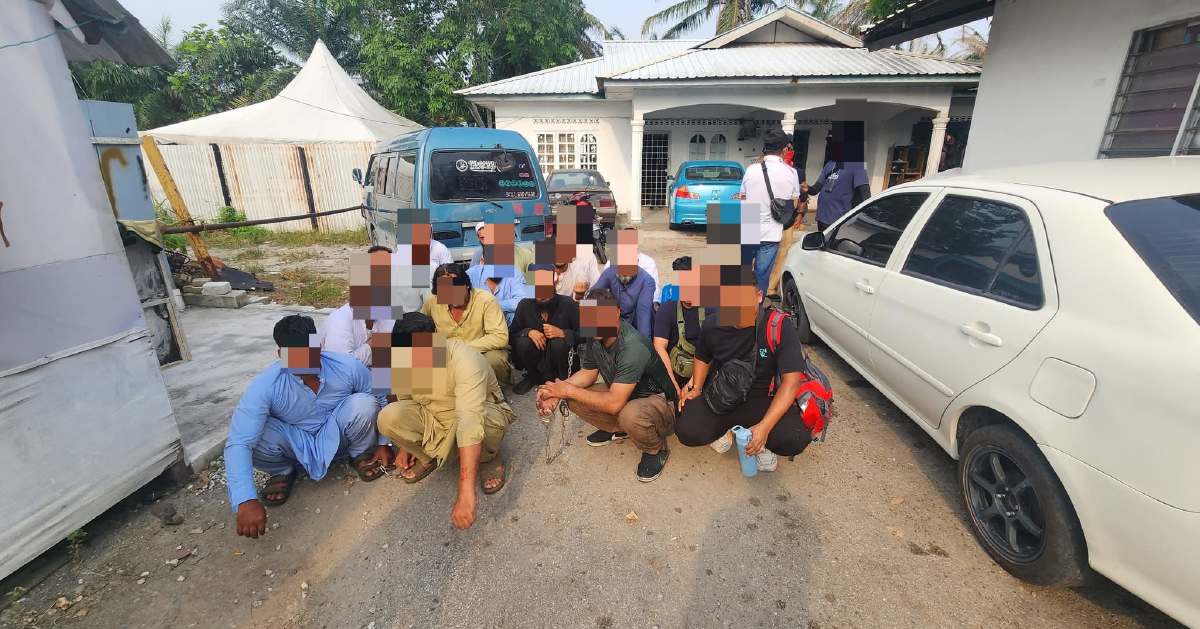
Immigration authorities have moved decisively against what investigators describe as a sophisticated vehicle parts trafficking syndicate operating from Klang, successfully apprehending 20 suspects during a targeted enforcement action along Jalan Kapar yesterday. The raid represents a significant blow to organised criminal networks that have leveraged Malaysia's strategic location and porous borders to facilitate organised vehicle theft and component smuggling across Southeast Asia.
The operation reportedly centred on a coordinated scheme wherein stolen vehicles were brought to clandestine workshops where they were systematically dismantled, with high-value components diverted to illicit regional markets. The Immigration Department has identified foreign nationals—specifically individuals believed to originate from Pakistan—as key organisational figures orchestrating the entire enterprise. This structural arrangement reflects a growing pattern whereby transnational criminal organisations embed foreign operatives in Malaysia to manage complex logistics networks that would otherwise attract heightened domestic law enforcement scrutiny.
The Klang location holds particular strategic significance in regional vehicle smuggling operations. As a major port city and industrial hub, Klang provides direct access to both shipping infrastructure and the interstate highway network, facilitating rapid redistribution of contraband components to neighbouring states and across international borders. The choice of Jalan Kapar specifically suggests operations deliberately positioned themselves within densely populated industrial zones where commercial activity provides cover for clandestine operations and limits visibility to routine surveillance activities.
For Malaysian readers, the implications extend beyond a single criminal enterprise. Vehicle-related theft remains a persistent drain on the national economy, with insurance costs ultimately transferred to legitimate consumers through higher premiums. The existence of organised chop shops—workshop facilities specifically designed for rapid vehicle dismantling—indicates that demand for illicit components remains robust, likely fuelled by demand from consumers seeking cheaper replacement parts and from individuals looking to repair stolen vehicles.
The syndicate's apparent sophistication in component trafficking suggests a well-developed supply chain management system. Rather than operating as isolated theft rings, the network appears to have maintained reliable distribution channels to customers and buyers, implying coordination with downstream retailers and mechanics who knowingly or unknowingly incorporated stolen components into legitimate repair operations. This integration into the broader automotive repair industry complicates enforcement efforts significantly.
The involvement of Pakistani nationals as masterminds reflects Malaysia's growing appeal to transnational organised crime groups seeking operational bases within Southeast Asia. Pakistan-based criminal organisations have historically exploited geographic and regulatory differences across international borders to expand trafficking operations. Malaysia's position as a relatively developed nation with established automotive infrastructure, combined with certain vulnerabilities in enforcement coordination, creates an attractive operating environment for such groups.
The Immigration Department's successful intervention suggests improving coordination between domestic security agencies tasked with border control and organised crime prevention. However, the arrest of 20 individuals, while substantial, likely represents only the visible operational layer of a broader network. Investigators typically must work backward from apprehended operatives to identify supply sources, downstream distribution networks, and financial facilitators who enable such enterprises to function sustainably.
For the automotive industry more broadly, such operations create market distortions and undermine legitimate business operators. Chop shops generate unfair competition by offering components at prices substantially below legitimate market rates, incentivising mechanics and workshop operators to source stolen rather than authorised parts. This dynamic has cascading effects on vehicle safety standards, warranty protections, and consumer rights.
Authorities must now focus on investigating the financial infrastructure underlying the syndicate's operations. Syndicate members typically utilise multiple bank accounts, money transfer services, and cryptocurrency channels to move proceeds through the financial system. Understanding these payment flows will likely reveal additional co-conspirators, including local facilitators who may have provided logistical support, warehousing, or financial services essential to sustained operations.
The case also highlights persistent gaps in vehicle ownership verification and stolen vehicle reporting mechanisms. Vehicles arriving at chop shops typically have their identification numbers altered or obscured, a process requiring technical expertise and implying access to falsification equipment and documentation. Strengthening mechanisms to flag vehicles reported as stolen and improving coordination between insurance companies and law enforcement could substantially raise the operational costs for such syndicates.
Southeast Asian governments increasingly recognise vehicle smuggling and parts trafficking as transnational threats requiring coordinated regional responses. Intelligence sharing between Malaysian law enforcement and counterparts in Thailand, Singapore, and Indonesia remains essential, as criminal networks frequently route vehicles across multiple jurisdictions to obscure origin points and complicate investigations. The dismantling of this Klang-based operation, while encouraging, underscores the ongoing persistence of such criminal enterprise across the region.

