The diplomatic landscape between Pakistan and Syria is shifting as the two nations embark on a renewed engagement strategy aimed at strengthening historical bonds and creating fresh economic opportunities. Syrian Foreign Minister Asaad Hassan Al Shaibani's recent visit to Islamabad represents a significant thaw in relations, marking the first official foreign ministerial trip from Damascus to Pakistan in nearly two decades. The high-profile visit underscores both nations' commitment to moving beyond rhetorical declarations of friendship and translating sentiment into concrete cooperation across political, defence, commercial, and cultural domains.
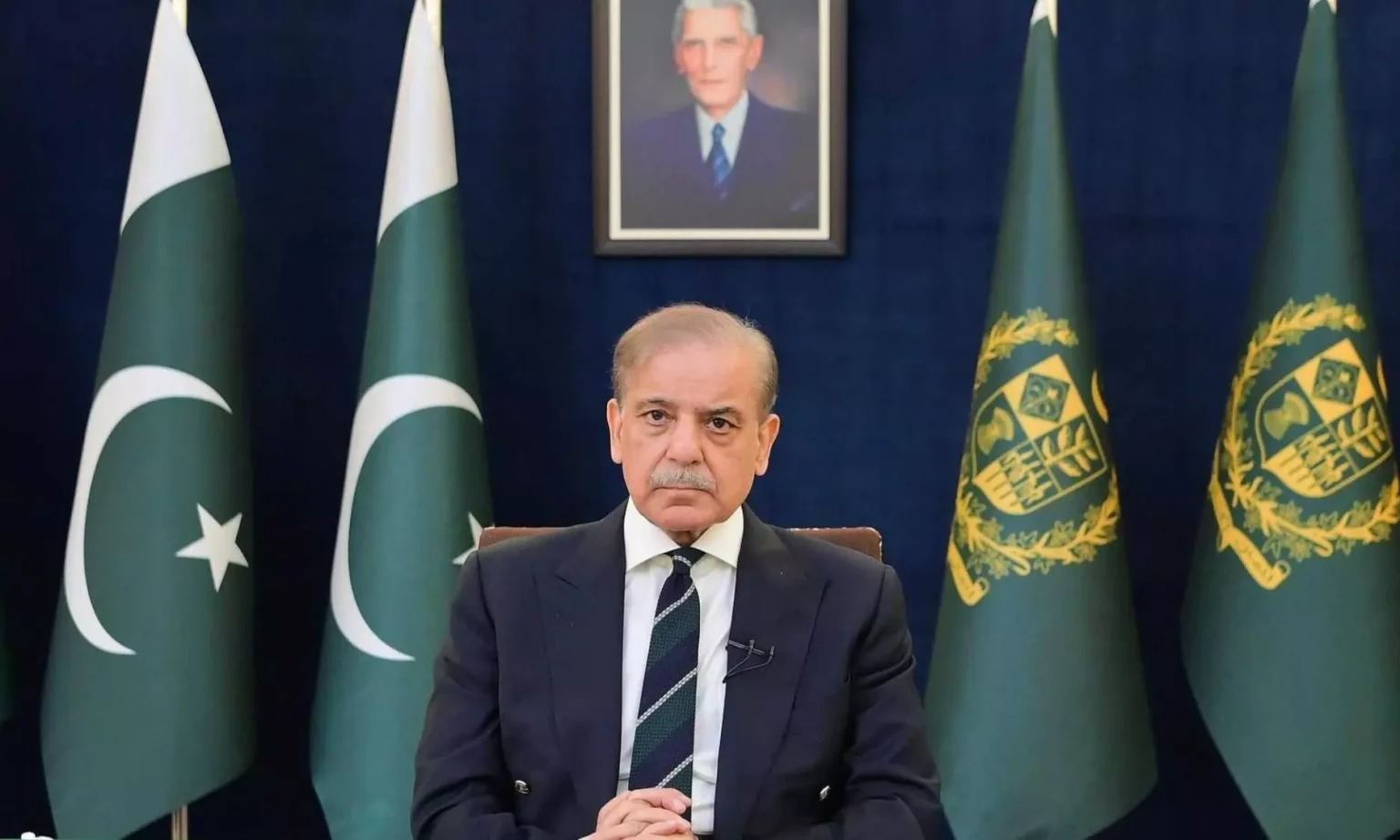
During his Thursday meetings in Islamabad, Shaibani engaged with Pakistan's top leadership, including Prime Minister Shehbaz Sharif, signalling the weightiness that Damascus attaches to this renewed relationship. The Syrian minister's presence in the Pakistani capital came at a time when both nations are recalibrating their regional postures, with Pakistan seeking to expand its diplomatic footprint in West Asia and Syria working to restore its international standing following years of conflict and international isolation. The timing reflects mutual recognition that cooperation serves both countries' strategic and economic interests in an increasingly multipolar Middle East.
Prime Minister Sharif seized the opportunity to reaffirm Pakistan's unwavering support for Syria's sovereignty and territorial integrity, explicitly backing Damascus's position on the Golan Heights dispute with Israel. This statement carries weight beyond ceremonial diplomacy; it signals Pakistan's solidarity with Syria on a core issue and demonstrates consistent Pakistani principles regarding disputed territories and national sovereignty. Such positioning also aligns with Pakistan's broader foreign policy framework, which emphasises support for nations defending their territorial claims against external pressures or occupations.
The conversation between Pakistani and Syrian leadership extended well beyond symbolic gestures into substantive areas of potential collaboration. Both sides identified defence cooperation as a priority, acknowledging that security partnerships could strengthen both nations amid regional tensions. Political dialogue channels are also being revitalised, creating avenues for regular high-level consultations on bilateral matters and regional developments. Educational and human resource development initiatives emerged as complementary areas, offering opportunities for knowledge transfer and people-to-people connections that could build lasting foundations for the relationship.
Trade and investment represent perhaps the most tangible dimension of this renewed engagement. Pakistan's Commerce Minister Jam Kamal Khan used his discussions with Shaibani to encourage greater private sector participation from both countries, recognising that sustainable economic ties require more than government-to-government agreements. The Syrian minister's proposal to establish a joint business council reflects Damascus's pragmatic understanding that institutionalised mechanisms can facilitate regular commercial dialogue and overcome bureaucratic obstacles that often hinder bilateral trade.
Syria's reconstruction needs present both a challenge and an opportunity for Pakistani businesses and investors. Following years of internal conflict, Damascus requires substantial infrastructure rebuilding, creating potential openings for Pakistani construction companies, engineering firms, and technology providers. Pakistani expertise in sectors ranging from telecommunications to power generation could prove valuable as Syria embarks on national rehabilitation projects. Conversely, Pakistan's economy could benefit from expanded markets and supply chain diversification, particularly as it seeks to reduce dependency on traditional trading partners and strengthen ties across the Islamic world.
Transportation connectivity emerged as a practical enabler of bilateral cooperation, with both nations exploring the resumption of direct flights between their capitals. Such direct connectivity has multiplier effects beyond mere convenience: it reduces transaction costs for businesspeople, facilitates official visits, and strengthens tourism and cultural exchanges. The absence of direct air links had been a symbolic and practical barrier to deepening people-to-people connections; restoring such flights would represent tangible progress toward normalisation and expanded engagement.
The Syrian minister's appreciation for Pakistan's role in regional diplomacy, particularly regarding the Makkah Joint Defence Agreement and de-escalation efforts in US-Iran relations, acknowledges Pakistan's positioning as a constructive voice in West Asian affairs. This recognition carries significance for Islamabad's broader strategic narrative—that Pakistan can serve as a bridge-builder and stabilising force across multiple regional configurations. Pakistan's efforts toward de-escalation between Washington and Tehran resonate particularly strongly with nations like Syria that navigate complex relationships with both powers.
For Malaysian and Southeast Asian observers, this Pakistan-Syria rapprochement illustrates broader patterns of strategic realignment in the Islamic world. It demonstrates how nations are diversifying partnerships and building coalitions beyond traditional Cold War-era alignments. The emphasis on trade and investment also reflects a pragmatic turn toward economic cooperation as a foundation for political relationships, a trend that resonates with ASEAN's own experience in leveraging commerce as a confidence-building mechanism.
The proposed joint business council and resumption of direct flights suggest that both nations recognise the durability required for meaningful cooperation. Rather than relying on episodic high-level visits, they are constructing permanent institutional frameworks designed to maintain momentum regardless of political cycles or personnel changes. This institutionalisation marks a qualitative shift from sporadic engagement toward systematic relationship-building.
Looking forward, the success of this renewed partnership will depend heavily on the follow-through from both governments in translating agreed-upon principles into operational reality. The establishment of functional mechanisms, allocation of resources to joint projects, and consistent diplomatic engagement will determine whether this visit represents a genuine inflection point or merely a temporary convergence of interests. Given the substantial groundwork outlined during Shaibani's visit, however, both nations appear committed to more than ceremonial gestures in advancing their historic partnership into a contemporary framework relevant to 21st-century challenges and opportunities.

