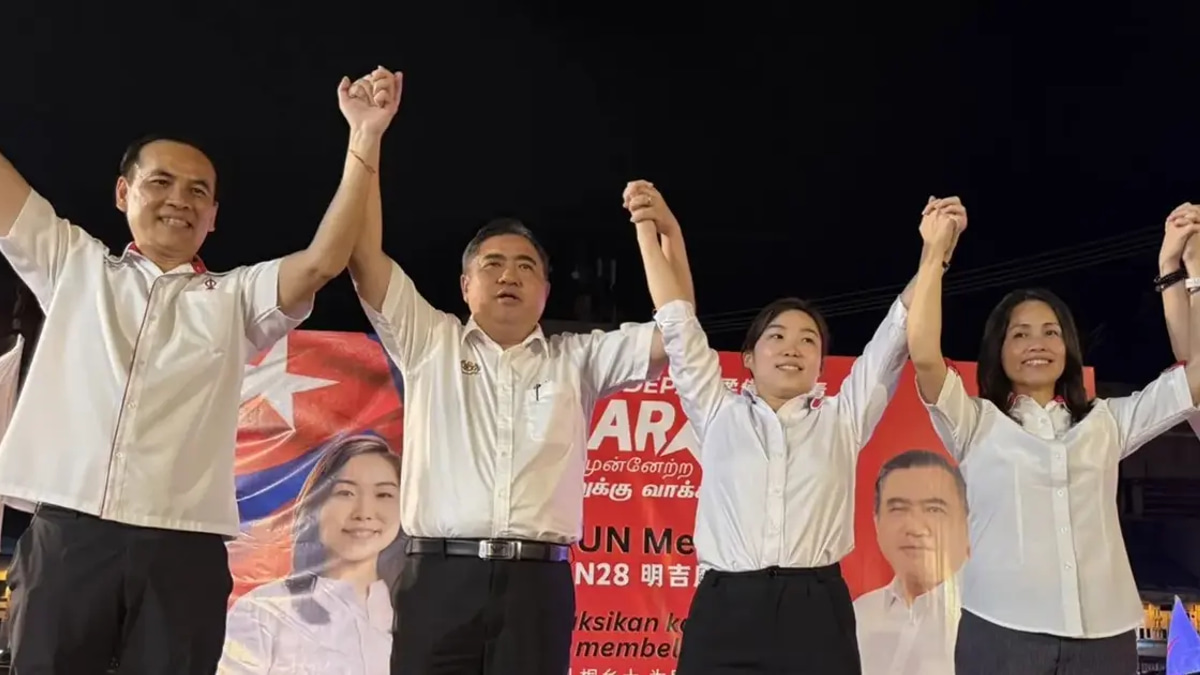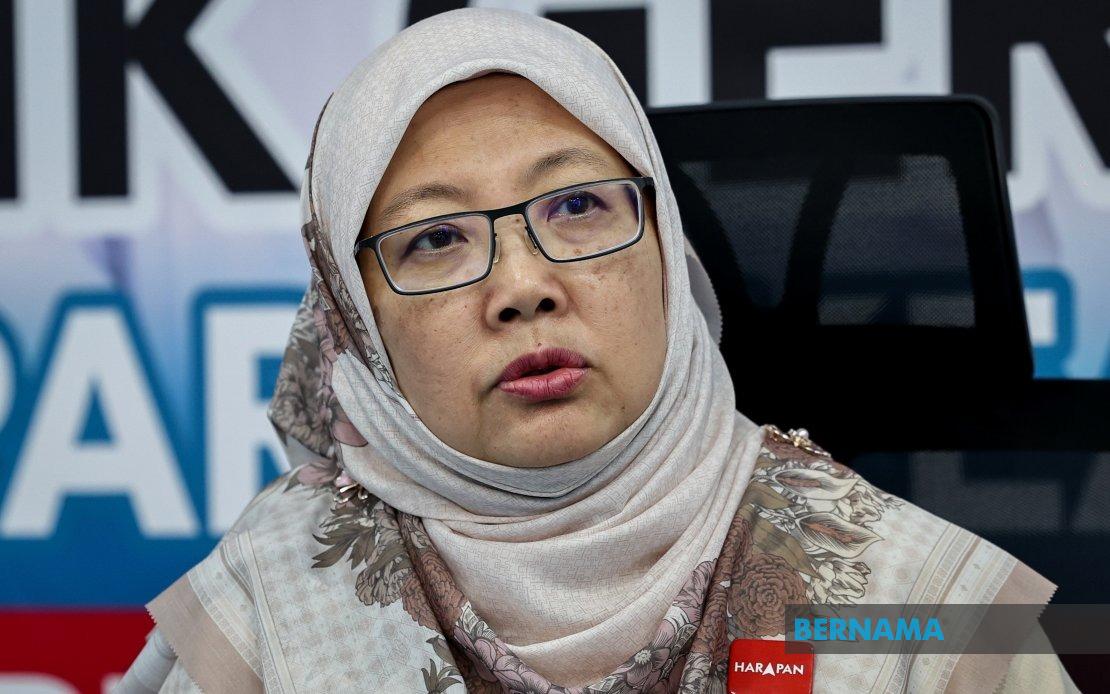
Pakatan Harapan is preparing to unveil its complete lineup of candidates for the Johor state election this coming Monday, according to Johor PKR chairman Datuk Seri Dr Zaliha Mustafa. The formal announcement, which will carry significant political weight given the upcoming electoral contest, is set to be a marquee event featuring the coalition's senior figures, particularly PH chairman Datuk Seri Anwar Ibrahim, underscoring the strategic importance both the party and its component organisations attach to the Johor contest.
The decision to hold the candidate announcement ceremony in northern Johor, potentially at Bukit Gambir in Tangkak, reflects a deliberate political calculation by PH leadership. Dr Zaliha, who holds the dual role of PKR vice president alongside her state chairmanship, explained that this geographical choice aims to capitalise on growing grassroots momentum in the northern zone. Previous campaign activities in constituencies such as Bukit Naning have reportedly generated substantial public enthusiasm, prompting the coalition to concentrate its launch event in a region where sentiment appears favourable and receptive to the opposition's messaging.
The candidate selection process itself has involved an inclusive consultation framework spanning from grassroots branches to state and national party structures. Rather than imposing candidates from above, PH has sought input from various organisational levels to ensure nominees possess genuine understanding of their constituencies' concerns and can demonstrate substantive track records of community service. This bottom-up consultation approach represents a departure from perceptions of top-down imposition that have sometimes plagued Malaysian opposition politics, though its effectiveness in improving electoral fortunes remains to be tested.
Diversity and representational balance emerged as crucial considerations in finalising the candidate slate. PH has deliberately incorporated professionals, younger politicians, women, and individuals from various ethnic backgrounds into its roster, creating a composite team intended to reflect contemporary Malaysian society's pluralistic character. This conscious diversity strategy serves multiple objectives simultaneously: it signals the coalition's inclusive political philosophy, broadens its appeal across demographic segments, and addresses historical criticisms that Malaysian politics has been dominated by narrow elite networks with limited social representation.
Beyond individual candidate credentials and demographic representation, PH's nominees have been selected partly on their capacity to advance the coalition's overarching electoral objectives. The 56 candidates fielded across all State Legislative Assembly seats are not simply intended to defend existing positions or incrementally improve upon previous electoral performances. Rather, the coalition is explicitly targeting control of Johor's state government, a significantly more ambitious goal that requires not merely seat gains but a comprehensive coalition-building strategy capable of securing majority support in the assembly.
The internal distribution of candidacies among PH's component parties reflects the coalition's power dynamics and negotiated arrangements. PKR, as the largest component and Anwar Ibrahim's base, receives 20 nominations, while DAP fields 17 candidates and Amanah contests 19 seats. This allocation suggests careful balance-struck negotiations between coalition partners, with each component organisation securing sufficient candidacies to maintain internal credibility and reward party activists while preventing dominance by any single entity that might destabilise the fragile alliance.
Johor's political significance extends beyond state-level considerations, given the state's economic importance and its historical role as a stronghold for Barisan Nasional politics. A PH victory would represent a substantial realignment in Malaysian electoral geography and potentially strengthen the opposition's momentum heading into future federal contests. Conversely, a strong showing by the incumbent coalition would validate its governance record and suggest limitations to opposition appeal even in strategically important states.
The electoral timeline ahead is compressed and demanding, with nomination day scheduled for June 27 and polling set for July 11. Early voting opportunities on July 7 will accommodate eligible voters unable to participate on election day. This tight schedule necessitates intensive campaign activity, suggesting the candidate announcement ceremony will serve as a springboard for coordinated mobilisation across all 56 constituencies simultaneously rather than a concluding ceremonial gesture.
For Malaysian readers and observers in other Southeast Asian nations tracking opposition political dynamics in established democracies, Johor's election carries methodological interest regarding how opposition coalitions navigate candidate selection, internal negotiations, and competitive positioning without fragmenting under electoral pressure. The success or failure of PH's inclusive selection approach may influence how other regional opposition movements structure their own coalition arrangements and candidate nomination processes moving forward.

%22%2F%3E%3C%2Fpattern%3E%3C%2Fdefs%3E%3Crect%20width%3D%22100%25%22%20height%3D%22100%25%22%20fill%3D%22url(%23ph1354vg)%22%2F%3E%3Crect%20width%3D%22100%25%22%20height%3D%22100%25%22%20fill%3D%22url(%23ph1354vp)%22%2F%3E%3Ctext%20x%3D%2250%25%22%20y%3D%2250%25%22%20text-anchor%3D%22middle%22%20dominant-baseline%3D%22central%22%20fill%3D%22rgba(255%2C255%2C255%2C0.95)%22%20font-family%3D%22Georgia%2C%20'Times%20New%20Roman'%2C%20serif%22%20font-weight%3D%22700%22%20font-size%3D%22320%22%20letter-spacing%3D%22-0.02em%22%3EGRS%3C%2Ftext%3E%3C%2Fsvg%3E)