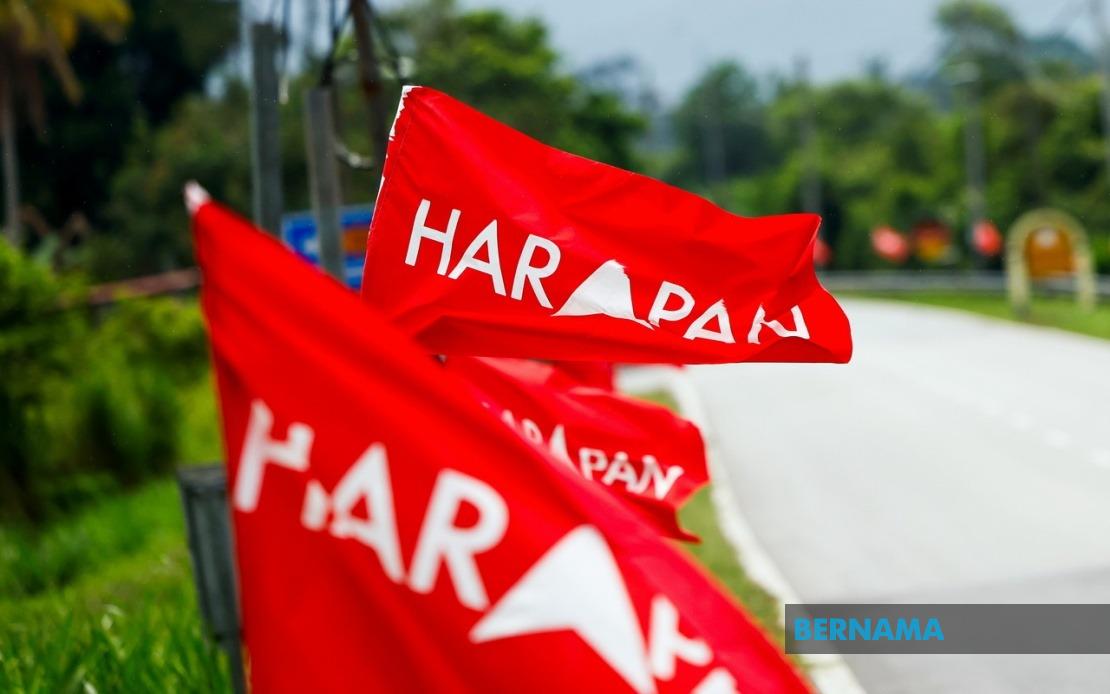
Pakatan Harapan is preparing to unveil its vision for Negeri Sembilan's future, with party officials set to launch the coalition's comprehensive manifesto for the state's sixteenth assembly election. The presentation, scheduled for the evening of July 19, will outline the coalition's blueprint for maintaining economic momentum and social advancement in the state ahead of voting on August 1.
The manifesto represents months of deliberation among PH's senior leadership, designed to crystallise the party's commitment to preserving the gains achieved since the coalition wrested control of the state government in 2018. Datuk Muhammad Zaki Md Sabri, who oversees PH operations in Negeri Sembilan, characterised the document as a thoroughly considered roadmap addressing both economic sustainability and community welfare across the state.
According to Muhammad Zaki, the coalition intends to highlight continuity as a central campaign theme, arguing that voters should entrust the coalition with another term to consolidate achievements rather than risk disruption through change. This strategy reflects PH's confidence in its track record while acknowledging that maintaining voter support requires demonstrating tangible progress and forward planning.
The campaign machinery has entered its second phase with encouraging results for PH candidates on the ground. Muhammad Zaki expressed satisfaction with organisational efficiency and reported that voters have responded positively to the coalition's representatives during door-to-door engagement. These early indicators suggest grassroots support remains reasonably strong, though the full picture will only emerge once polling commences.
Simultaneously, PH has called for the broader political contest to maintain elevated standards of conduct. Muhammad Zaki appealed to all competing parties to preserve healthy campaign dynamics while steering clear of inflammatory rhetoric or controversial touchpoints. Specifically, he urged contestants to respect sensitivities surrounding the constitutional framework often abbreviated as 3R—references to matters of religion, royal institutions, and racial harmony—which remain foundational to Malaysia's political culture and social cohesion.
Negeri Sembilan's electoral landscape encompasses nearly 890,000 eligible participants spread across three voter categories. Ordinary registered voters number 867,151, while 16,884 military personnel and their families qualify to vote early on July 28. Additionally, 5,455 police officers and their households will cast ballots through the early voting system, providing logistical flexibility across the state's constituencies.
The Election Commission formally triggered the election cycle by dissolving the state assembly on June 5, initiating a compressed campaign period that culminates with polling on August 1. This timeline has compressed candidate movements and voter engagement into roughly seven weeks, intensifying the battle for public attention across traditional and digital platforms.
For Pakatan Harapan specifically, the Negeri Sembilan contest represents a significant regional test of its national standing. The coalition's capacity to retain control or expand influence in the state would reinforce its credentials for national relevance, while any setback could complicate its positioning ahead of potential federal-level political shifts. The manifesto launch thus carries symbolic weight beyond the state level, serving as a broader declaration of purpose to Malaysian voters monitoring regional electoral trends.
The choice facing Negeri Sembilan voters extends beyond personalities or individual candidates to reflect competing visions of governance and development priorities. Pakatan Harapan's emphasis on continuity and prosperity potentially contrasts with opposition parties' own reform narratives or critiques of incumbent performance. These competing frameworks will define campaign discourse over the coming weeks as various political actors compete for voter support.
Background context matters considerably here: Negeri Sembilan occupies a distinctive position in Malaysia's federal structure and has historically demonstrated voting patterns distinct from other peninsular states. The state's relatively balanced urban-rural demographics and established middle-class constituencies provide audiences potentially receptive to prosperity-focused messaging, while rural areas may prioritise different welfare or development considerations. Pakatan Harapan's manifesto will need to address this heterogeneous electorate effectively.
The period between manifesto presentation and election day will test both the substantive appeal of PH's policy proposals and the effectiveness of campaign execution. Early voting on July 28 adds an element of voter stratification, with military and police families potentially deciding weeks before the general population participates. These structural features of the electoral calendar may influence final outcomes, particularly if turnout differentials emerge across voter categories.
Regionally, Negeri Sembilan's election also intersects with broader Southeast Asian political currents. Malaysia's democratic processes, notwithstanding various institutional pressures, remain analytically significant for neighbouring democracies and observers of regional governance trends. How the coalition performs in this test—and the nature of public discourse surrounding the contest—contributes to wider assessments of democratic resilience in the region.

