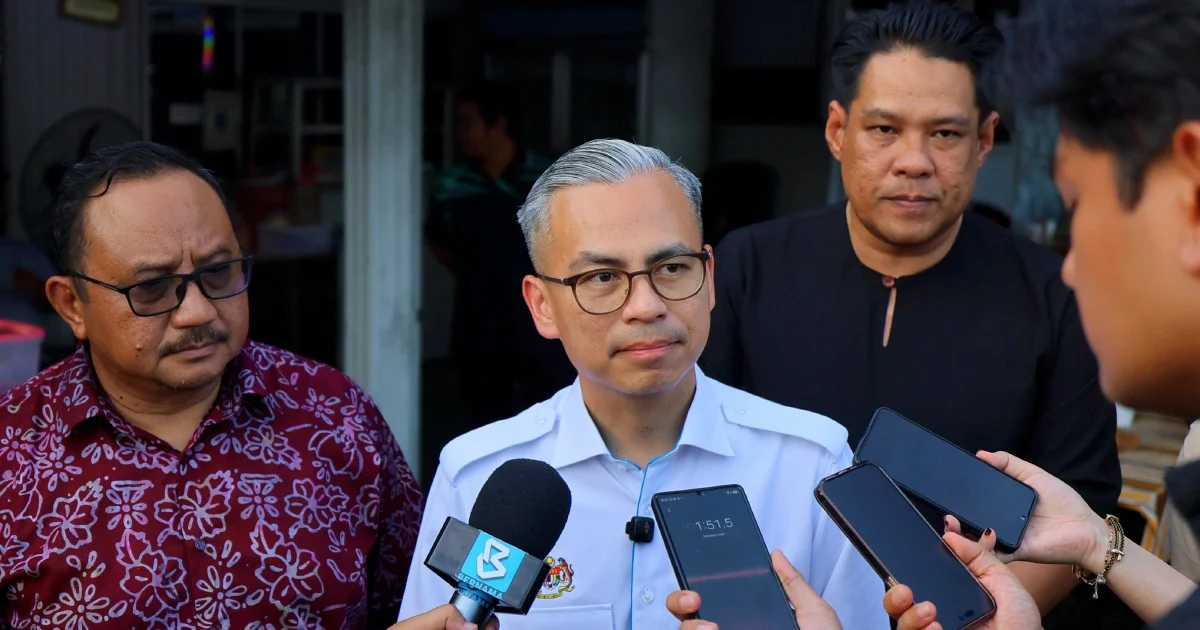
Pakatan Harapan has committed to executing a balanced campaign strategy across the upcoming Johor election, merging the reach of digital platforms with the personal engagement that ground-level canvassing provides. The coalition recognises that modern electoral contests demand flexibility—the ability to reach dispersed audiences through social media while simultaneously building grassroots momentum through direct voter interaction in towns and neighbourhoods.
This two-track methodology reflects a broader understanding among Malaysian political operatives that digital and traditional campaigning serve complementary functions. Social media enables rapid dissemination of policy messages and rapid response to political developments, reaching younger voters and urban populations who consume news primarily through online channels. Concurrently, face-to-face campaigning builds trust, allows candidates to address localised concerns, and mobilises the ground organisation necessary to drive actual voter turnout on polling day.
For Johor specifically, this mixed approach holds particular relevance. The state encompasses diverse constituencies ranging from highly urbanised areas around Johor Bahru to rural and semi-rural regions where traditional canvassing may prove more effective. Internet penetration and social media usage vary significantly across these districts, meaning a one-dimensional campaign would inevitably leave gaps in voter outreach. By embracing both channels, Pakatan Harapan seeks to ensure comprehensive coverage regardless of geographical location or voter demographics.
The decision also reflects hard-won lessons from recent Malaysian elections. Political operatives across the spectrum have observed that online campaigns, while cost-effective and fast-moving, cannot single-handedly overcome organisational weaknesses. Conversely, ground operations without digital support struggle to match the speed and scope of modern political communication. The optimal approach therefore integrates these elements, using digital tools to amplify ground-level activities and using ground networks to validate and reinforce online messaging.
Pakatan Harapan's positioning in Johor carries historical weight. The state represents contested political territory, where voter preferences have shifted across election cycles. A comprehensive campaign strategy demonstrates the coalition's seriousness about contending effectively in this crucial state. The combination of online and ground tactics suggests recognition that victory requires both capturing public attention through visible campaigning and building the organisational apparatus to convert that attention into votes.
The digital component of this strategy will likely emphasise targeted social media advertising, rapid-response teams monitoring political developments, and engagement with online communities. Meanwhile, ground campaigning will centre on candidate visibility, town halls, neighbourhood visits, and activation of party members and volunteers. These elements reinforce each other—social media can publicise ground events, while successful ground engagements generate content for online platforms.
For Malaysian voters in Johor, this approach promises more accessible political engagement. Digital channels allow participation from home, particularly valuable for shift workers and those with mobility constraints. Simultaneously, ground campaigning ensures that concerns raised online can receive thoughtful responses and that policy discussions extend beyond the limitations of social media discourse. This availability through multiple channels may increase overall voter participation and engagement.
The strategy also has implications for opposition parties and other political actors in the state. They must respond with equally sophisticated campaigns, or risk being outpaced in either digital or grassroots domains. This competitive dynamic ultimately benefits voters, as it incentivises all parties to communicate more effectively and address constituent concerns more thoroughly.
Implementing this dual strategy successfully requires coordination across diverse party structures and volunteer networks. Digital campaigns need technical expertise and rapid decision-making, while ground operations depend on trained volunteers and clear messaging discipline. Pakatan Harapan will need to ensure seamless integration between these elements, so that messages reinforced online receive consistent treatment in neighbourhood interactions and vice versa.
Regionally, Malaysia's political operatives are recognised as increasingly sophisticated in their campaign execution. This hybrid approach aligns with international best practices where successful campaigns—across democracies globally—integrate digital and traditional elements. As Southeast Asian democracies become more technologically advanced, expectations for campaign sophistication rise accordingly, and Pakatan Harapan's declared strategy reflects these evolving standards.
The resource implications of maintaining dual campaigns warrant consideration. Social media operations require continuous investment in platform expertise and content creation. Ground campaigns demand sustained financial support for transportation, materials, and volunteer coordination. Pakatan Harapan's capacity to fund both simultaneously will partially determine how effectively the strategy translates to actual voter outreach and organisational momentum across Johor's constituencies.

