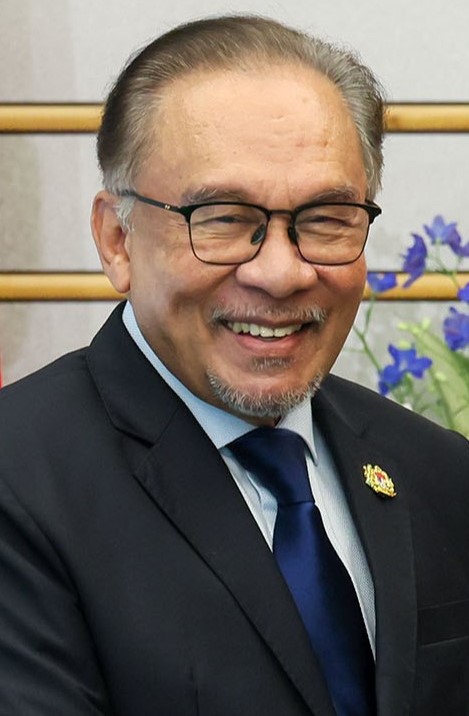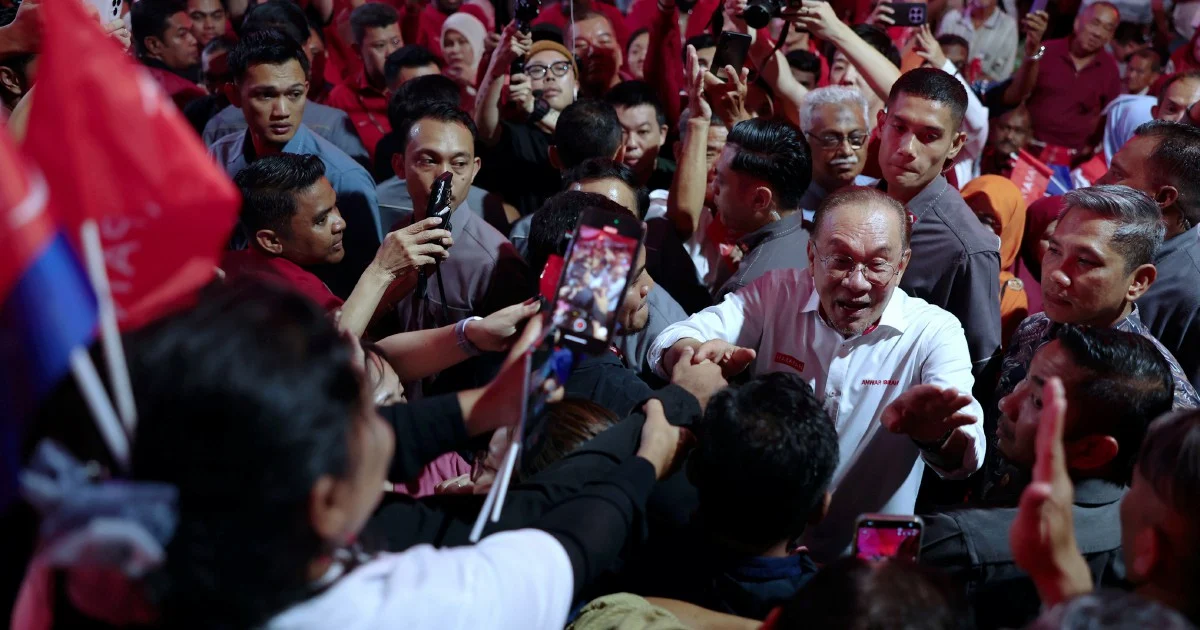
Pakatan Harapan has formally unveiled its comprehensive candidate lineup for the upcoming Johor state election, with coalition chairman Datuk Seri Anwar Ibrahim presenting the full 56-person roster at an event in Tangkak. The announcement marks a critical juncture in the coalition's preparations as the southern state prepares for balloting scheduled for July 11.
The unveiling represents a pivotal moment for the opposition coalition, which has been working to consolidate support across Johor ahead of the poll. With 56 seats contested in the state assembly, the candidate selection reflects careful deliberation among PH's constituent parties regarding nominations and seat allocations that balance factional interests with electoral prospects.
Johor holds substantial political significance within Malaysia's broader electoral landscape. The state has long been considered a BN stronghold, and any gains by PH in the region would signal shifting voter preferences in a traditionally conservative electoral jurisdiction. The composition of PH's candidates across different constituencies will likely reveal the coalition's strategic targeting and resource allocation for this particular contest.
The timing of the announcement comes as campaigning dynamics intensify across the state. Political parties typically release their full candidate lists well in advance of polling days to allow contenders time to conduct grassroots activities, community engagement, and constituency-level campaigning. The early declaration suggests PH is moving decisively to establish its presence on the ground.
Anwar Ibrahim's direct involvement in the candidate announcement underscores the significance the PH leadership attaches to the Johor election. As coalition chairman and Prime Minister, his participation in the unveiling ceremony signals that this contest carries importance beyond routine state-level polls. His presence lends authority to the candidate selections and demonstrates central coordination among the disparate elements within the coalition structure.
The candidate selection process itself involves complex negotiations among PH's member parties—primarily PKR, DAP, and Amanah—each of which seeks representation commensurate with their organisational strength and electoral contribution. These internal bargaining processes often consume considerable time and generate considerable internal tension, as parties must reconcile competing claims for winnable seats against broader coalition cohesion imperatives.
For Malaysian voters and political observers, the candidate profiles carry substantial implications. The educational backgrounds, professional credentials, and local rootedness of nominees frequently influence electoral outcomes, particularly in constituencies where personal relationships and community standing remain influential factors. PH's selections will reveal whether the coalition has prioritised incumbents seeking re-election, new faces representing demographic shifts, or specific identity-based representation considerations.
Johor's electoral dynamics have undergone meaningful transformation in recent years. The state's economic development, urbanisation patterns, and demographic evolution have altered voting behaviour across different constituencies. Rural constituencies maintain different political calculus from urban and semi-urban areas, potentially influencing how PH distributed its candidates across the geographic spectrum of the state.
The opposition coalition has invested considerable organisational effort in Johor during the preceding months. Candidate announcement represents the culmination of earlier selection processes and serves as the official launching point for intensive campaigning. The weeks between announcement and July 11 polling day will determine whether the coalition's organisational machinery can effectively mobilise support behind its chosen contenders.
For Johor's electorate, the candidate announcement offers a clearer picture of their voting options across the 56 contested seats. Voters can now assess the proposed representatives at the state assembly level and evaluate their suitability based on constituency-specific considerations. This transparency facilitates informed electoral decisions and enables communities to scrutinise candidates' qualifications and policy commitments.
The election arrives amid broader national political recalibrations. Johor's results will provide meaningful indicators regarding federal political trajectories and voter sentiment toward the PH-led government. State-level polling in Malaysia frequently functions as barometers for national sentiment, and performance in Johor could carry implications extending well beyond the state's borders to shape interpretations of broader political momentum.
Regional variations in how PH's candidates perform will offer insights into coalition strength across different demographic categories and geographic areas. Some constituencies may reveal traditional support patterns, while results elsewhere could indicate emerging political realignments that merit close observation by political analysts and government strategists alike.
With candidates now formally announced, PH transitions from internal selection deliberations to external campaign activities. The coalition's success will ultimately depend upon whether its chosen representatives can effectively connect with voters, articulate compelling policy platforms, and translate grassroots enthusiasm into ballot box support on July 11.