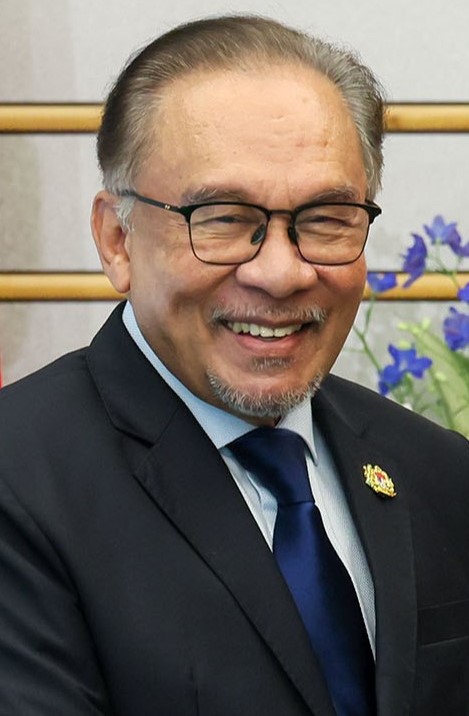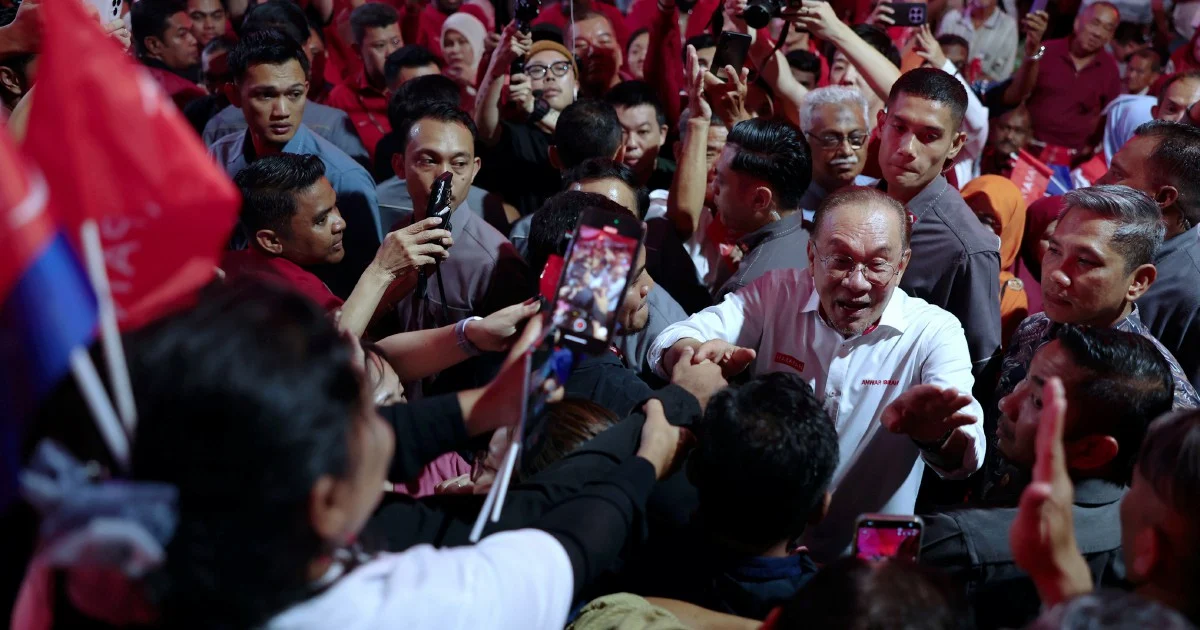
Pakatan Harapan unveiled its complete roster of 56 candidates for the Johor state election scheduled for July 11, formally launching what observers view as a critical test of the coalition's political fortunes in a state historically dominated by Barisan Nasional. Party chairman Datuk Seri Anwar Ibrahim announced the selections in Tangkak, emphasizing the coalition's readiness to contest across all available seats and stake a credible claim to lead the state government.
The decision to field candidates in every constituency represents a significant strategic commitment for PH, which suffered setbacks in Johor during previous electoral contests. The coalition's determination to contest comprehensively reflects confidence in its organizational machinery and belief that dissatisfaction with the incumbent administration has created openings across diverse constituencies. Observers note that the move contrasts with earlier elections where resource constraints or internal disagreements limited the coalition's candidate deployments.
Johor holds particular political significance for Malaysia beyond its status as the country's second-largest state by population. The state serves as a bellwether for broader national sentiment, given its diverse demographic composition spanning urban centres like Johor Bahru, industrial zones, and rural communities. An election victory here would substantially bolster PH's bargaining position in national politics and demonstrate resilience after internal leadership transitions and coalition tensions that have troubled the partnership since the 2022 general election.
Barisan Nasional's traditional dominance in Johor has been substantially tested in recent years. While BN retained control following the 2022 general election, the margin of victory appeared narrower than historical patterns, suggesting demographic shifts and changing voter preferences are reshaping the state's political dynamics. The younger, more urbanized electorate in Johor Bahru and surrounding areas has demonstrated greater receptivity to opposition messages, particularly regarding governance, economic opportunity, and institutional reform.
PH's coalition structure itself presents both opportunities and complications for the Johor campaign. The alliance brings together Parti Keadilan Rakyat (PKR), Parti Amanah Negara (Amanah), and Demokrat Keadilan Rakyat Malaysia (DAP), allowing the coalition to mobilize across different demographic and geographic segments. However, managing seat distribution among coalition partners without triggering internal friction has historically proved challenging, and the party selection process likely involved delicate negotiations to ensure each component felt adequately represented.
The timing of the election also carries strategic weight. The mid-year polling date occurs during Malaysia's school holidays and monsoon season considerations, potentially affecting voter turnout patterns. Additionally, the election arrives amid ongoing discussions about federal politics, legislative initiatives, and economic management that will likely feature prominently in campaign rhetoric from both PH and BN-led camps.
Economic messaging will probably dominate the Johor campaign landscape. The state economy encompasses manufacturing, port operations, petrochemical industries, and tourism sectors that have experienced varying fortunes during global economic cycles. Voters will evaluate which coalition offers more credible economic management, job creation pathways, and business-friendly policies. PH is likely to emphasize reform-oriented governance and institutional accountability, while BN will stress continuity and development track record.
For Malaysian politics more broadly, the Johor result carries implications extending far beyond state administration. A strong PH performance would signal the coalition has successfully rebuilt cohesion and electoral appeal following the turbulent 2023-2024 period. Conversely, a BN victory would reinforce perceptions that the ruling coalition retains resilience in traditional strongholds despite federal government claims of reform momentum. The result will inevitably influence calculations around the timing of the next general election and coalition positioning for that contest.
Regional dynamics also merit attention. Johor's proximity to Singapore means international observers monitor the state's stability and governance quality. Investment decisions, especially in cross-border economic zones and industrial parks, partly depend on political certainty and administrative competence. Both competing coalitions will seek to reassure business communities and foreign investors regarding their respective visions for continued development and regional integration.
The candidate announcement represents the formal transition from internal party preparations to public campaign phases. The calibre and backgrounds of selected candidates will matter significantly, as constituencies increasingly evaluate individual representatives based on community engagement, professional credentials, and perceived accessibility. PH's candidate list will be scrutinized for gender diversity, youth representation, and demonstrated commitment to local issues, factors that increasingly influence voting patterns among younger and urban constituencies.
As campaigning formally commences, both coalitions face the challenge of converting candidate announcements into sustained grassroots mobilization and persuasive messaging that resonates across Johor's diverse communities. The election outcome will likely reshape state politics for the medium term and potentially recalibrate national coalition mathematics considerably.