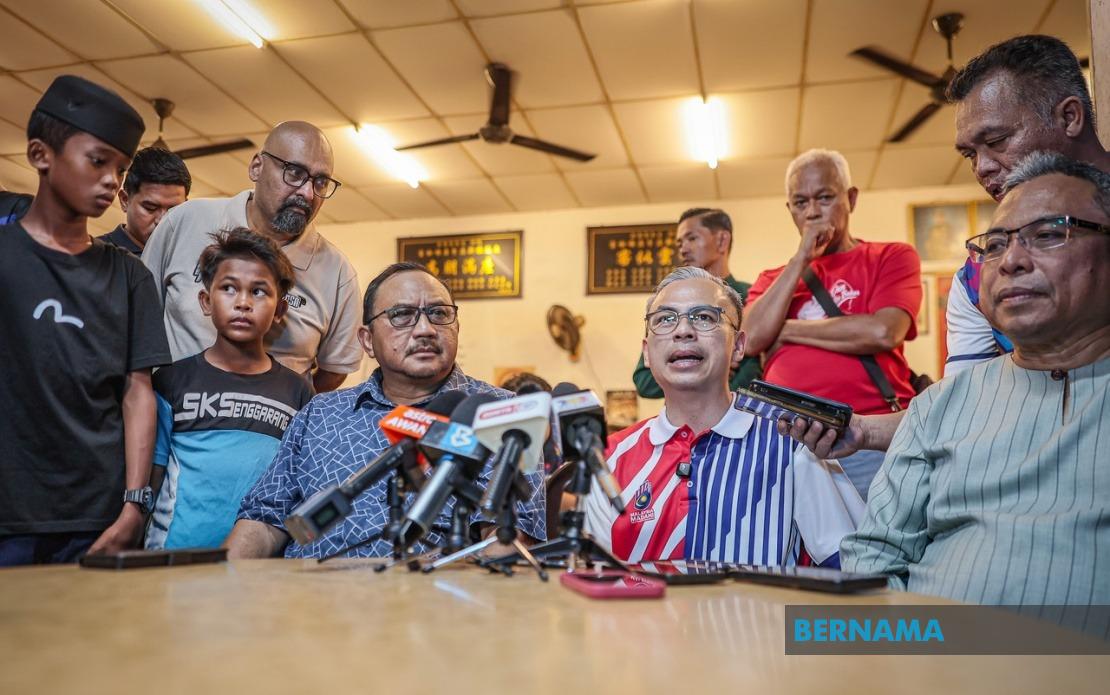
Pakatan Harapan is preparing for the 16th Johor State Election by marrying conventional community engagement with modern digital communications, a dual-pronged strategy designed to maximize the coalition's appeal across diverse demographic groups. Communications Minister Datuk Fahmi Fadzil outlined this integrated approach as the official campaign period begins, signalling PH's recognition that electoral victory increasingly depends on reaching voters both at neighbourhood level and through their mobile screens.
The coalition's choice to blend offline and online tactics reflects broader shifts in Southeast Asian electoral strategy, where parties can no longer rely solely on either method to capture voter attention. By deploying coordinators to physical nomination centres while simultaneously launching dedicated media channels, PH seeks to ensure its policy proposals and candidate messaging penetrate all layers of Johor society. This approach acknowledges that while some voters remain anchored to traditional campaigning, others engage primarily through social platforms, making a hybrid model essential for comprehensive coverage.
PKR, contesting 20 seats in the state election, will activate campaign machinery immediately after the nomination process concludes tomorrow morning. Fahmi's personal deployment to Semerah and Nurul Izzah Anwar's appearance alongside Senggarang candidate Onn Abu Bakar signals the coalition's intention to maintain high-profile visibility during the initial momentum-building phase. The creation of an official media dissemination group reflects PH's determination to control its narrative rapidly, countering misinformation before false claims gain traction within communities.
A critical component of PH's campaign messaging emphasises fact-based communication, a deliberate choice in Malaysia's increasingly complex information environment. With digital platforms prone to rapid spread of unverified claims and emotionally charged content, PH's commitment to accuracy represents both an ethical stance and a strategic calculation that voters concerned about misinformation will reward credibility. This positioning also differentiates the coalition from competitors who may rely on sensationalism, allowing PH to occupy the terrain of serious, evidence-based policy discussion.
Development achievements constitute a central pillar of PH's Johor campaign narrative. The coalition plans to highlight collaborative projects between the federal government and state administration, particularly the Rapid Transit System Link and the Johor-Singapore Special Economic Zone, both of which promise economic stimulation and reduced regional inequality. For Malaysian readers, particularly those in manufacturing and logistics hubs, these projects carry tangible implications for employment, business opportunities, and long-term prosperity. By framing development as a shared federal-state endeavour, PH implicitly argues that political alignment between Putrajaya and the state capital produces superior outcomes.
PH's governance record in other states provides empirical grounding for campaign promises. The coalition's stewardship of Selangor, Negeri Sembilan, and Penang demonstrates sustained delivery on developmental priorities and administrative competence, offering voters a performance track record rather than mere aspiration. This historical evidence matters particularly in Johor, where voters may question whether PH possesses the capacity to govern effectively. Candidates such as Dr Maszlee Malik and Onn Abu Bakar, both with credible backgrounds, embody the coalition's claim to field serious, capable administrators rather than political novices.
PH's commitment to unveil a dedicated Johor state manifesto signals recognition that local elections require localized policy responses rather than national platforms applied wholesale. The manifesto will presumably address Johor-specific challenges including urban-rural development imbalances, manufacturing sector competitiveness, and the state's unique relationship with Singapore. For readers invested in Johor's economic future, this localized approach suggests PH intends to address their particular concerns rather than pursuing a one-size-fits-all agenda.
The formation of a special task force comprising the Malaysian Communications and Multimedia Commission, Election Commission, Royal Malaysia Police, and Malaysian Media Council underscores official concern about misinformation spread during the election period. This coordination mechanism, while bureaucratic in appearance, represents a significant institutional response to threats posed by false narratives and coordinated disinformation campaigns. For voters attempting to distinguish truth from fiction, the task force's work provides some assurance that authorities are actively monitoring information quality, though effectiveness ultimately depends on rapid response capabilities and enforcement credibility.
PH's integration of traditional cultural engagement, exemplified by Fahmi's attendance at a community film screening, demonstrates that grassroots strategy encompasses entertainment and social connection alongside formal campaigning. By participating in "wayang pacak" events, PH operatives embed themselves within community life, building relationships that transcend transactional electoral appeals. This approach recognizes that voters make political decisions within networks of family, neighbourhood, and cultural practice, not merely through exposure to policy documents or campaign advertisements.
The Johor state election takes on heightened significance within Malaysia's broader political landscape, as results will influence perceptions about each coalition's electoral viability and governance capacity heading into potentially decisive national political developments. A strong PH performance would reinforce claims that the coalition maintains substantive voter support across major states, while setbacks would embolden opposition narratives about PH's declining political relevance. For Southeast Asian observers, the outcome may signal whether Malaysian voters continue preferring coalition-based governance over single-party dominance.
PH's strategic emphasis on reaching all voter segments through integrated communications reflects maturation of Malaysian electoral competition, where victory margins often depend on capturing persuadable voters in the middle rather than energizing partisan bases alone. By deploying diverse tools and messages targeted to different audiences, PH increases the likelihood of converting undecided voters and limiting opposition gains among floating populations. This sophisticated approach contrasts with earlier campaigns relying primarily on nationalist appeals or personality-driven narratives, suggesting Malaysian politics is becoming more analytically oriented and data-informed.
The coming weeks will reveal whether PH's hybrid strategy effectively translates campaign sophistication into actual electoral support. Voter reception of fact-based messaging, infrastructure project emphasis, and local candidate credibility will determine whether the coalition's carefully calibrated approach resonates with Johor's diverse constituencies. Success would validate the model's applicability across Malaysian elections, while difficulties would highlight persisting gaps between campaign strategy and voter decision-making processes shaped by considerations beyond institutional competence or policy proposals.

