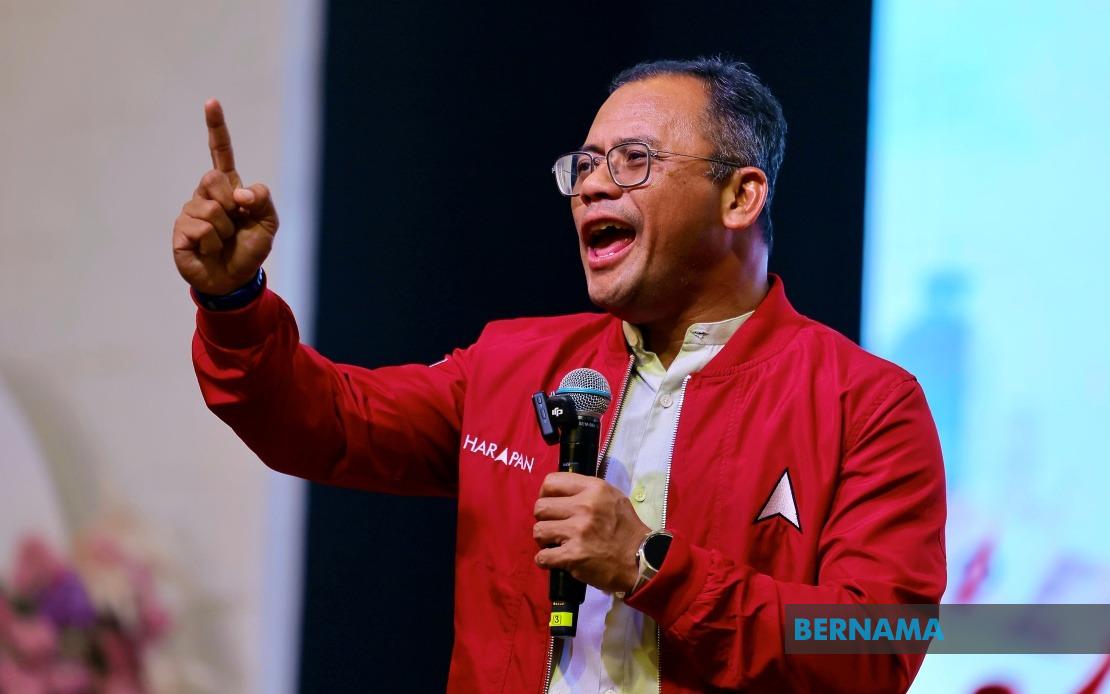
Pakatan Harapan has officially presented its policy blueprint for the Johor state election, unveiling the 'Johor For All' manifesto as the centrepiece of its campaign strategy. The formal launch took place in Johor Bahru on July 3, marking a significant moment as the coalition sets out to articulate its vision for the state's development and governance. This manifesto represents the coalition's comprehensive commitment to voters across Johor's diverse constituencies, signalling an inclusive approach that attempts to address concerns across the electorate.
The ceremony was helmed by Datuk Seri Amirudin Shari, a senior figure within PH's Presidential Council and co-election director for PKR, underscoring the importance attached to this election within the broader coalition structure. His role as both a key decision-maker in PH and a senior PKR official reflects the deep integration of the party's machinery with coalition-wide strategy in the state. The presence of high-ranking officials at the launch indicates that Johor remains a critical battleground for PH's political ambitions in peninsular Malaysia, particularly given the state's population size and electoral significance.
The manifesto launch brought together the coalition's leadership structure in Johor, with Aminolhuda Hassan representing PH as the state chairman and ensuring coordination across the various component parties. Johor DAP chairman Teo Nie Ching's attendance underscored the multi-party nature of the coalition, as DAP continues to play a significant role within PH's electoral efforts. Johor PKR chairman Datuk Seri Dr Zaliha Mustafa's participation further illustrated the prominence of PKR within Johor's political landscape and its central contribution to the coalition's candidate selection and campaign execution.
The gathering also included the full slate of coalition candidates contesting the 16th Johor state election, providing these candidates with a unified platform and clear messaging framework. This inclusive approach to the manifesto launch serves multiple purposes within PH's campaign strategy. By bringing candidates together, the coalition demonstrates organisational coherence and sends a signal that all its contenders are aligned around a common set of policy objectives and values. For candidates themselves, the manifesto offers a standardised campaign narrative that extends beyond individual constituency concerns to address state-wide priorities.
The 'Johor For All' branding itself carries significant strategic weight, suggesting an inclusive vision that transcends traditional party boundaries and factional divisions. The phrase emphasises universal benefit and equitable governance, concepts that resonate particularly in Johor, where diverse communities, economic interests, and regional concerns coexist. The manifesto's framing appears designed to position PH as committed to serving all residents regardless of background, wealth, or previous political affiliation, a messaging strategy that reflects lessons learned from previous election cycles.
For Malaysian political observers, this manifesto launch represents a critical juncture in the ongoing competition for Johor's electoral support. The state has historically been a complex political battleground, with shifting voter preferences and strong incumbent presence creating a challenging environment for opposition coalitions. By formally launching a comprehensive policy document, PH aims to establish credibility and demonstrate that it has developed serious, implementable solutions for Johor's pressing issues. This approach contrasts with purely campaign-focused messaging and suggests the coalition is attempting to elevate the political discourse in the state election.
The timing and scale of the manifesto launch also reflect PH's broader electoral strategy across Malaysia. As the leading opposition coalition, PH recognises the importance of presenting clear policy alternatives that give voters substantive reasons to consider political change. The 'Johor For All' manifesto serves this purpose by converting abstract campaign themes into concrete policy commitments that can be evaluated and scrutinised by voters, political analysts, and media commentators.
Regionally, the Johor state election carries implications beyond the state's borders. As Malaysia's southernmost state and home to significant economic activity, Johor's political direction influences cross-border relations with Singapore, investor confidence, and broader regional stability. PH's manifesto launch therefore speaks not only to local voters but also to business communities and neighbouring governments interested in understanding the coalition's governance approach. This broader audience awareness likely shaped the inclusive and forward-looking tone of the manifesto's presentation.
Looking ahead, the manifesto will form the basis upon which PH's candidates conduct their individual campaigns across Johor's constituencies. Whether the unified messaging remains consistent across different local contexts, how effectively the manifesto addresses specific community concerns, and whether voters find its promises credible will ultimately determine its electoral impact. The launch represents the beginning rather than the conclusion of PH's campaign effort, establishing the ideological and policy framework within which the subsequent months of campaigning will unfold.
The coalition's decision to launch its manifesto through a formal, well-attended ceremony reflects confidence in its electoral prospects while also acknowledging the competitive nature of Johor politics. By presenting a comprehensive, inclusive vision articulated by senior leadership, PH has attempted to establish momentum and demonstrate organisational readiness for the campaign period ahead. How voters respond to this manifesto in the weeks following its launch will provide important insights into the state election's likely trajectory and the broader direction of Malaysian politics.

