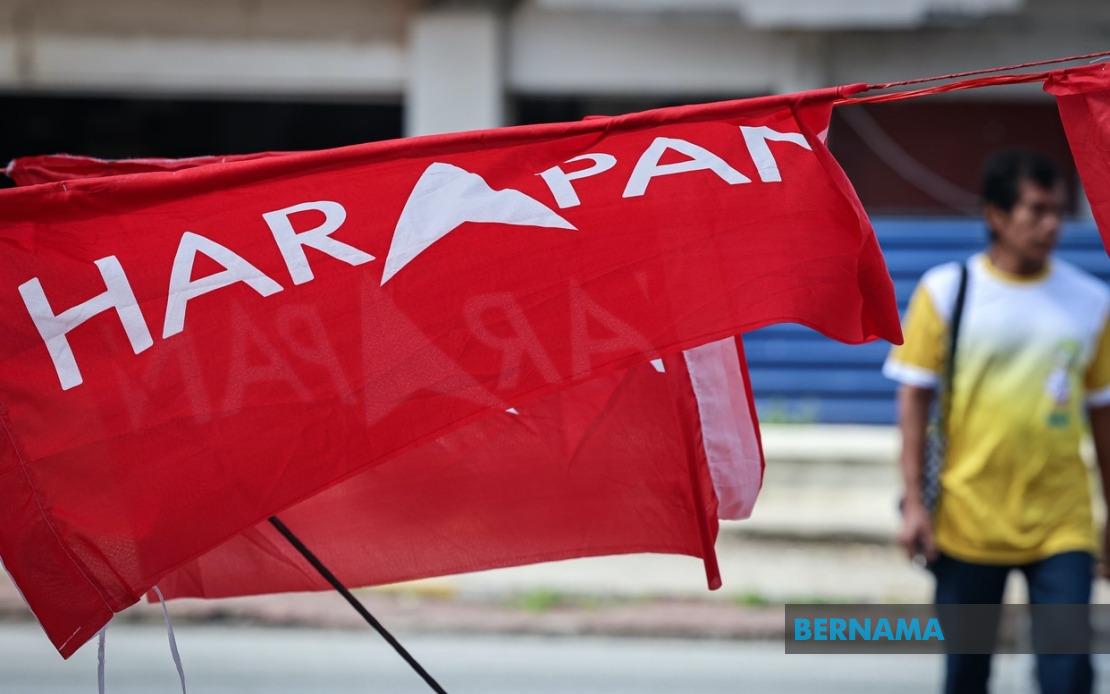
Pakatan Harapan candidates competing in Johor's 16th state election are executing a carefully calibrated final campaign blitz that marries conventional grassroots organising with digital-first outreach methods, capitalising on the five-day window remaining before polling on July 11. The coalition's approach represents an evolution in Malaysian electoral strategy, recognising that contemporary voters exist simultaneously in physical and virtual spaces, requiring simultaneous engagement across both spheres to maximise turnout and persuasion.
The backbone of this hybrid campaign centres on direct voter contact through traditional means—town halls, community dialogues, and street-level engagement that candidates argue create authentic human connection. Yet this conventional foundation now sits alongside a sophisticated digital infrastructure designed to amplify campaign messages beyond the geographic and temporal constraints of face-to-face meetings. Senior party figures, including Penang Chief Minister Chow Kon Yeow, have been deployed to key battleground constituencies to energise the party machinery and demonstrate leadership commitment to swing voters concerned about governance capacity.
Social media platforms have been repurposed as what campaign strategists describe as "virtual campaign rooms," enabling two-way communication with voters who might never attend a rally but remain politically engaged through their smartphones. This transformation is particularly significant in Malaysia's context, where digital penetration remains uneven across demographic groups and geographic regions. The dual-channel approach attempts to bridge this digital divide by ensuring that campaign messaging reaches urban, tech-savvy voters through their preferred platforms while maintaining ground presence in areas where traditional canvassing remains the dominant persuasion method.
TikTok has emerged as an unexpectedly potent campaigning tool within this digital arsenal. Several candidates have discovered that the platform's algorithmic preferences for authentic, informal content align naturally with political messaging when deployed without heavy-handed promotional tactics. Tiram candidate Nor Zulaila Abd Ghani exemplifies this trend, generating genuine engagement by presenting campaign material in a relaxed, conversational manner rather than the stilted messaging typical of institutional social media accounts. User responses in comment sections—praising her as a "perfect candidate" capable of amplifying constituent voices—suggest that younger voters particularly respond to candidates who project accessibility and relatability through the medium.
The success of TikTok as a campaign vehicle reflects broader shifts in how Malaysian voters, especially those under 35, consume political information. The platform's short-form video format, recommendation algorithm, and culture of authenticity create conditions where political messaging can gain traction organically rather than relying solely on paid promotion. This contrasts sharply with older social media paradigms dominated by Facebook, where campaign content often struggles to break through algorithmic filters without substantial advertising spend. For opposition-aligned candidates without access to state-funded machinery, TikTok represents a potential equaliser.
Other candidates have pursued more targeted digital strategies suited to their specific voter bases and policy priorities. Dr Maszlee Malik, contesting Puteri Wangsa, has consolidated his digital presence through a dedicated WhatsApp Channel branded "Gerak Sama Dr Maszlee Malik," creating a direct communication pipeline to supporters interested in following campaign developments and submitting constituent concerns. This approach recognises that WhatsApp's encrypted, private nature appeals to voters seeking confidential political dialogue, and the channel format allows asynchronous engagement that accommodates supporters with irregular availability.
Machap candidate Nor Hafiz Roslan leverages Facebook to construct a professional persona centred on his background as an attorney and community activist, positioning himself as a bridge between legal expertise and grassroots advocacy. This platform choice reflects a deliberate targeting strategy—Facebook's user base in Malaysia skews older and more formally educated, demographics likely to value demonstrated professional credentials alongside political rhetoric. By anchoring his campaign identity to concrete professional accomplishments, Roslan attempts to overcome voter scepticism about whether opposition candidates possess competence for legislative roles.
Tanjung Surat candidate Faizul Abdul Ghani has adopted a physically mobile campaign model through the "Jelajah Trak Harapan" initiative, deploying campaign vehicles as travelling platforms to cover wider geographic territory with greater flexibility than stationary venues allow. This mobility-first approach proves particularly effective in dispersed constituencies where voter concentrations may be scattered across multiple towns or villages, making it logistically inefficient to establish fixed campaign headquarters. The travelling format also generates visual spectacle and novelty value—convoy campaigns attract media coverage and community attention that stationary operations might not command.
The substantive policy dimension underlying these tactical innovations centres on Pakatan Harapan's messaging around inclusive governance and sustained economic progress. Senior party leadership has publicly urged Johor voters to grant the coalition the mandate to continue implementing this governance vision, framing the election as a choice between continuity and uncertainty rather than simply rewarding or punishing incumbents. This positive framing contrasts with oppositional campaigns that emphasise incumbent failures, instead positioning PH as the architect of ongoing development requiring voter endorsement to persist.
The deployment of senior party figures such as Chief Minister Chow Kon Yeow into ground campaigns serves multiple strategic purposes beyond simple vote-gathering. Leadership visibility signals to grassroots party workers that the campaign constitutes a priority for senior management, providing morale benefits that cascade through volunteer networks. Additionally, Chow's presence implicitly connects Johor's governance trajectory to Penang's development model under DAP stewardship, offering voters a tangible reference point for evaluating Pakatan Harapan's administrative competence across multiple state governments.
The timing of this final campaign intensification reflects structural features of Malaysian election campaigns, where the period immediately preceding polling day witnesses maximum voter receptiveness as the choice becomes imminent and concrete rather than abstract. The five-day window before July 11 represents the window when undecided voters typically crystallise preferences, making this sprint phase disproportionately consequential for marginal constituencies where turnout and persuadable voters determine outcomes. Pakatan Harapan's coordinated deployment of hybrid tactics across multiple candidates and constituencies suggests a sophisticated understanding that contemporary Malaysian electoral competition demands simultaneous excellence across traditional and digital domains.
The Election Commission's schedule, with early voting for security personnel on July 7 and main polling day on July 11, compresses the final activation phase into an intensive burst. Candidates pursuing mobility-based strategies like Faizul's travelling truck campaign can maximise coverage during this compressed timeframe by maintaining relentless movement through target areas, while digital campaigners can intensify social media volume and targeting parameters to capture attention precisely when voters are most attentive to election-related content.

