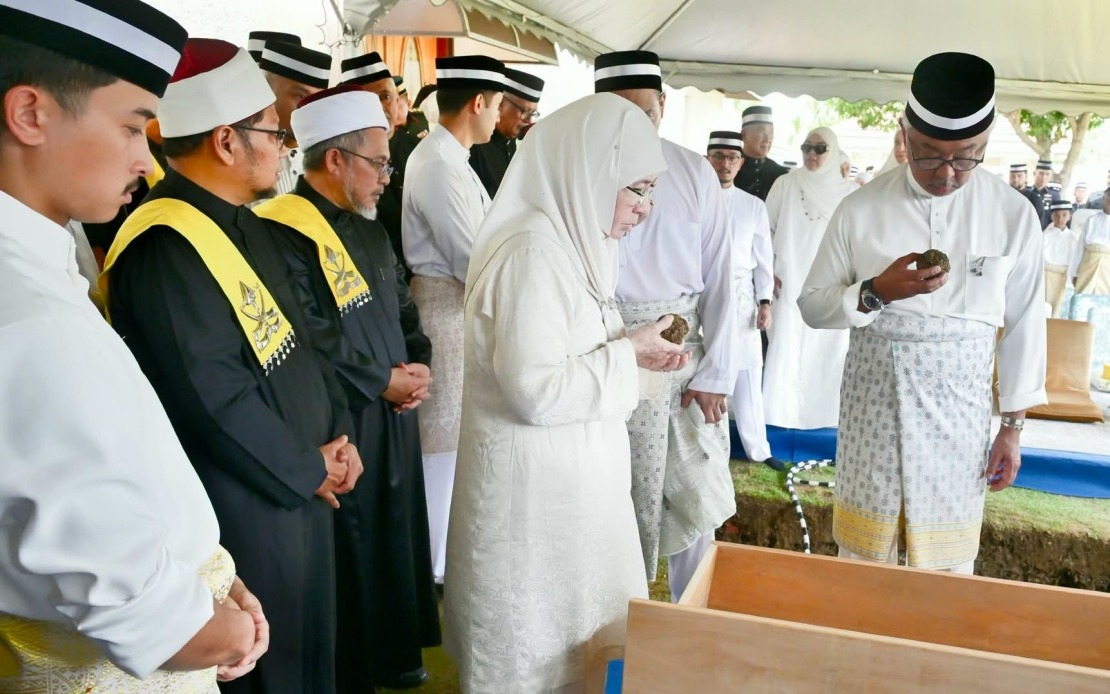
The Sultan of Pahang, Al-Sultan Abdullah Ri'ayatuddin Al-Mustafa Billah Shah, has instructed members of the Pahang royal household to observe formal mourning rites for three consecutive days in the wake of his elder sister's death. Tengku Puteri Seri Kemala Tengku Datuk Seri Aishah, who passed away at a Kuala Lumpur hospital on Wednesday evening at 9.15 pm, was subsequently laid to rest at the Royal Mausoleum in Pekan the following afternoon.
The mourning observance commenced on Wednesday and will extend through Saturday, according to an official statement issued by Maj Gen Datuk Mohamed Zahari Yahya, Comptroller of the Royal Household of the Sultan of Pahang. The prescribed protocol for the royal family during this period includes the wearing of white attire as a sign of respect and remembrance, with male members of the household also adhering to additional dress requirements prescribed by palace custom.
The passing of Tengku Puteri Seri Kemala represents a significant loss within the Pahang royal fraternity, particularly affecting Al-Sultan Abdullah Ri'ayatuddin Al-Mustafa Billah Shah and his consort, Tengku Ampuan of Pahang Tunku Azizah Aminah Maimunah Iskandariah. As a sibling of the reigning Sultan, Tengku Puteri held an important position within the royal hierarchy and had long been regarded as a respected figure within the state's institutional framework.
The Pahang palace has extended its condolences request to the broader state population, encouraging residents to recite Al-Fatihah and offer prayers for the departed's soul. This invitation reflects a common practice within the Malaysian monarchy, whereby state subjects are invited to participate in spiritual observances following the death of prominent royal personages. The emphasis on collective prayer underscores the interconnected relationship between the reigning monarch's family and the populace they serve.
Royal mourning periods serve multiple ceremonial functions within Malaysia's constitutional monarchy system. Beyond their role as occasions for personal grieving, they represent formal acknowledgment of loss within the state apparatus and provide the public with an opportunity to express reverence for departing members of the royal household. The three-day duration selected by the Pahang Sultan reflects established palace protocols that balance the intensity of formal mourning with the practical continuation of state functions.
The death and subsequent observances also highlight the broader role that the Pahang royal family continues to play in regional affairs. As one of Malaysia's most prominent and historically significant sultanates, events within the Pahang palace typically receive significant attention from state institutions and the public alike. The orderly coordination of mourning rites and funeral arrangements demonstrates the institutional maturity of the palace administrative apparatus.
The Royal Mausoleum in Pekan, where Tengku Puteri was interred, holds considerable symbolic importance within Pahang's historical and cultural landscape. The site serves as a burial ground for prominent members of the royal lineage and represents a physical link to the state's dynastic past. The decision to lay Tengku Puteri to rest at this location underscores her significance within the royal succession and family hierarchy.
From a constitutional perspective, the mourning period allows the state administration to function without substantial disruption while maintaining appropriate deference to the loss experienced by the ruling family. Malaysian protocols for royal mourning have evolved to accommodate both ceremonial requirements and the practical necessities of contemporary governance. The three-day timeframe permits sufficient opportunity for both private reflection and public commemoration without necessitating a suspension of essential government operations.
The palace's formal request for prayers from the state population reflects Islamic religious practices that form a central component of Malaysian royal ceremony and tradition. This integration of spiritual observance with official mourning protocols demonstrates how religious and constitutional elements interweave within Malaysia's unique monarchical system. For Pahang residents, such moments serve as occasions for broader reflection on the continuities that anchor state identity and community bonds.
The timing and manner of the public announcement, delivered through the palace's chief administrative official, followed established protocols for communicating sensitive matters affecting the royal household. This measured approach ensures that information reaches relevant constituencies through appropriate channels while maintaining the dignity associated with such occasions. The structured nature of the communication reflects the institutional frameworks that govern contemporary Malaysian palace operations.

