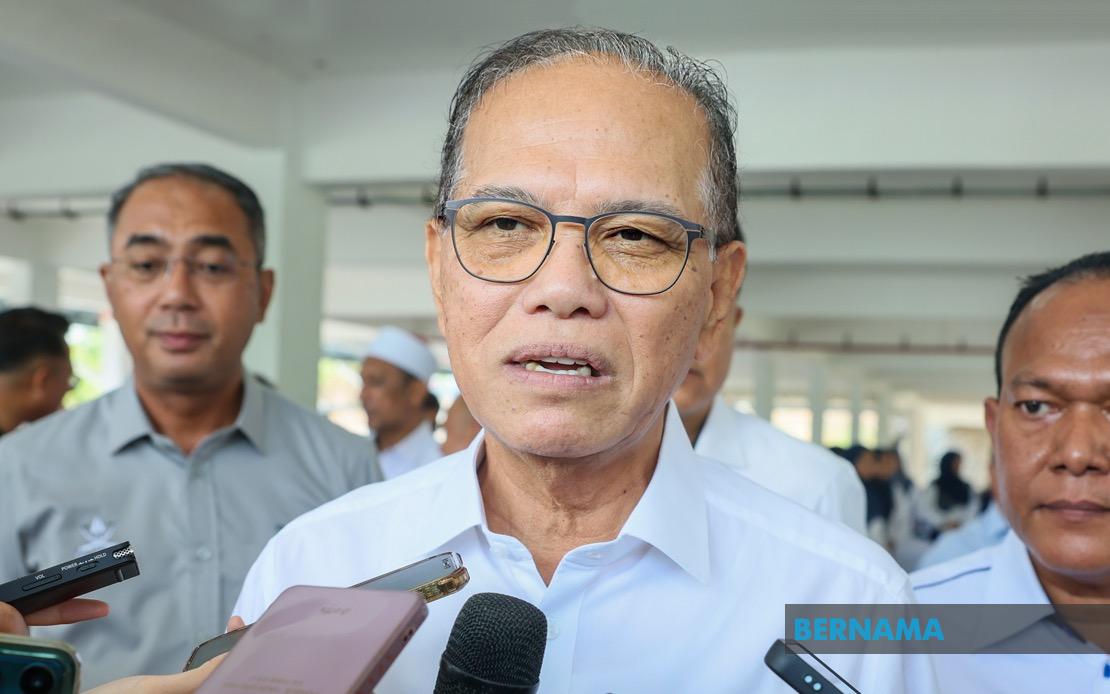
Pahang Menteri Besar Datuk Seri Wan Rosdy Wan Ismail has called on indigenous youths in the state to take up technical and vocational training alongside conventional higher education pathways, framing skills qualifications as increasingly vital for economic advancement and personal development. Speaking at a convocation ceremony in Kuantan on August 4, he emphasized that the Orang Asli community must tackle persistent educational challenges, particularly high school attrition rates that have constrained employment and entrepreneurial opportunities for generations.
The demographic scale of the challenge underscores the urgency of the appeal. Pahang is home to approximately 90,000 Orang Asli, representing one of the largest concentrations of the indigenous population in Malaysia. Yet this community continues to grapple with systemic barriers to educational attainment, reflecting broader inequities in access to quality schooling, vocational pathways, and career guidance services. The menteri besar's intervention signals growing government recognition that conventional approaches alone have not sufficiently addressed the root causes of educational disengagement among indigenous youth.
Wan Rosdy delivered his remarks while officiating the YP Advanced Skills Malaysian Skills Certificate and Diploma Convocation Ceremony at the Sultan Haji Ahmad Shah Silver Jubilee Hall, where 388 graduates received qualifications across multiple programmes. This milestone represents tangible output from one institutional pathway, yet also highlights the scale of untapped potential across the broader Orang Asli population. The focus on TVET reflects a global and regional policy shift toward recognizing that tertiary education need not follow a purely academic trajectory; instead, demand-driven skills training can furnish immediate employability and pathways to sustainable livelihoods.
The menteri besar challenged a longstanding perception that vocational education represents a lesser alternative to university degrees. He stressed that skills have become indispensable in today's labour market and are no longer viewed as a fallback option for students unable to pursue academic routes. This reframing is particularly important for indigenous communities, where historical underrepresentation in professional sectors has sometimes reinforced stigma around technical training. By positioning TVET as a first-choice avenue worthy of serious investment and social recognition, the state government aims to reshape attitudes and parental expectations surrounding technical qualifications.
Wan Rosdy expressed particular hope that YP Advanced Skills graduates from Orang Asli backgrounds would return to their home villages and serve as visible role models for younger peers. This strategy leverages peer influence and community networks to counter dropout patterns and inspire further educational uptake. When community members see their neighbours and relatives successfully completing skills certifications and securing employment, the tangible proof of opportunity can shift perceptions and encourage others to persist through training programmes. The returnee-advocate model has proven effective in other Southeast Asian contexts where indigenous youth face comparable educational barriers.
He highlighted the dual employment flexibility that graduates gain through skills qualifications. Holders of Malaysian Skills Certificates and Diplomas can pursue conventional employment with employers actively seeking certified technicians and tradespeople, or alternatively establish their own microenterprises and small businesses. This flexibility is particularly valuable for Orang Asli youth who may prefer entrepreneurship as a pathway to economic independence but lack formal credentials that traditional lending institutions demand. A skills qualification thus lowers barriers to both employment and self-employment.
The menteri besar further urged graduates to continue their educational progression whenever circumstances permit. Rather than treating a skills diploma as a terminal qualification, he framed it as a foundation for further learning, whether through bridging programmes to university qualifications or advanced technical certifications. This stackable credentials model aligns with international best practice and recognises that lifelong learning and upskilling will be essential as technological and economic landscapes continue to evolve across Malaysia and the region.
YP Advanced Skills itself has earned recognition for producing graduates who combine technical competence with strong personal values and work ethics. This emphasis on character development alongside practical skills reflects understanding that employability extends beyond technical prowess; employers consistently report that reliability, teamwork, communication, and integrity are equally important differentiators. For Orang Asli graduates seeking to overcome potential discrimination in hiring processes, demonstrated character and soft skills can prove decisive in securing and retaining positions.
The broader context illuminates why Pahang's leadership is prioritizing this issue. Indigenous communities across Malaysia continue to lag behind national averages in educational attainment, household income, and employment in skilled occupations. The school dropout rate among Orang Asli youth remains significantly higher than the national average, perpetuating cycles of poverty and limited opportunities. Structural factors including geographic isolation of some settlements, inadequate educational infrastructure, language barriers, and socioeconomic pressures contribute to these disparities. Policymakers increasingly recognise that addressing these gaps requires multi-pronged approaches spanning improved primary and secondary schooling, culturally responsive teaching, and accessible pathways to post-secondary skills training.
For Malaysia's broader development agenda, increasing TVET participation among Orang Asli youth aligns with national efforts to build a more inclusive and technically skilled workforce. Industries ranging from construction and electrical work to hospitality and health services face chronic skill shortages, and intentionally developing talent within marginalized communities creates mutual benefit—filling labour gaps while expanding opportunity for indigenous groups. This framing shifts TVET engagement from a welfare consideration to an economic imperative.
The convocation ceremony itself signals institutional momentum. With 388 graduates in a single cohort, YP Advanced Skills demonstrates scalability and suggests capacity to expand intake if demand and funding increase. Replicating similar institutions across Pahang and other states with substantial Orang Asli populations could substantially broaden access to quality vocational training. Government support through scholarships, fee waivers, or stipends could further lower participation barriers for lower-income families.
Moving forward, translating the menteri besar's exhortations into sustained outcomes will require coordinated effort across multiple agencies. Education providers must ensure programmes remain relevant to labour market demands. Employers must actively recruit and promote indigenous graduates, moving beyond tokenism toward genuine career progression. Community leaders and parents must champion TVET as a credible pathway. And government must sustain funding and policy support even as political priorities shift. The stakes are substantial—enabling 90,000 Orang Asli in Pahang to access quality skills training could catalyse intergenerational economic mobility and contribute meaningfully to addressing Malaysia's persistent inequality challenges.

