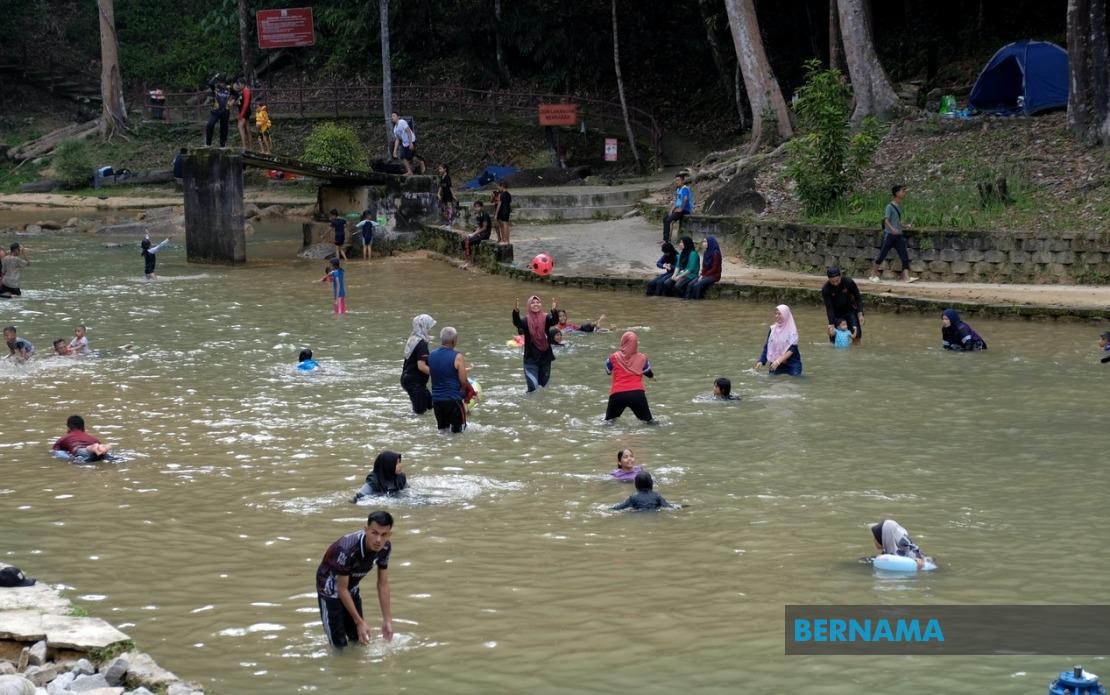
The Pahang State Health Department has launched a formal investigation into claims that multiple visitors to a popular riverside recreational facility near Bentong contracted acute gastroenteritis following water exposure. The development comes as authorities work to establish whether environmental factors or contamination at the site pose any public health risks to residents and tourists in the region.
According to an official statement from the health department, a comprehensive risk assessment has already been completed at the affected location. Preliminary findings from their initial investigation reveal that no formal notifications of food poisoning incidents or abnormal spikes in acute gastroenteritis cases have been received through the state's established disease surveillance network. This suggests that if cases have indeed occurred, they may be scattered and not yet formally reported through official health channels, or the symptoms experienced by visitors may have been coincidental rather than linked to a common source.
Water samples collected from multiple points along Sungai Benus in Janda Baik on June 14 are currently undergoing microbiological laboratory testing to identify any pathogenic organisms that might explain the reported illnesses. The results of these analyses, which typically take several days to process, will be crucial in determining whether the river water itself is contaminated and poses a broader public health threat. Until these results are available, authorities are proceeding cautiously without drawing definitive conclusions about the source of the reported symptoms.
To strengthen disease detection capacity in the area, the health department has intensified acute gastroenteritis surveillance at both government and private medical facilities in neighbouring districts. This enhanced monitoring system is designed to quickly identify any clusters of cases that share epidemiological links to the Bentong recreational site, allowing swift intervention if a genuine outbreak becomes apparent. Simultaneously, active case detection efforts are underway to trace individuals who reported symptoms and gather detailed information about their exposure history and timeline of illness onset.
The investigation extends beyond water testing. Health officials are conducting thorough epidemiological investigations to pinpoint potential exposure sources and identify contributing risk factors that might explain the reported illnesses. Researchers are examining whether other environmental hazards at the recreational area—such as sanitation facilities, waste management, or nearby agricultural or industrial activities—could have contributed to waterborne pathogen transmission. This multifaceted approach reflects best practices in outbreak investigation and recognises that waterborne disease transmission rarely stems from a single cause.
Parallel to health department efforts, the Pahang authorities are coordinating with relevant agencies to conduct comprehensive water quality assessments across the affected area. These assessments aim to identify potential pollution sources upstream, downstream or in the vicinity of the recreational zone. Understanding the origin of any contamination is essential for implementing long-term preventive measures and protecting future visitors. The collaborative approach underscores the recognition that water quality management requires engagement across multiple government sectors and stakeholders.
For recreational operators and accommodation providers in the region, the investigation serves as a reminder of fundamental public health requirements. The health department has reiterated that facilities must maintain sanitation infrastructure, ensure reliable supplies of clean water, and properly manage sewage systems in accordance with established public health standards. Regular maintenance and monitoring of these systems are essential to minimise environmental pollution and reduce the transmission risk of waterborne diseases. Operators who fail to meet these standards face potential enforcement action.
Members of the public who visited the Bentong recreational area and subsequently experienced gastrointestinal symptoms including diarrhoea, vomiting, stomach pain or fever are encouraged to seek medical evaluation promptly. Early consultation with healthcare providers not only ensures appropriate treatment but also generates the clinical and epidemiological data needed to confirm whether an outbreak has occurred. Healthcare workers are being made aware of the investigation so they can flag any relevant cases that present to their facilities.
The Ministry of Health has committed to maintaining close monitoring of the situation and will release further updates as laboratory results become available and epidemiological investigations progress. Officials have explicitly cautioned the public against speculation or sharing unverified claims about the incident, noting that such activity can amplify public concern and undermine confidence in official health systems. Residents are directed to seek all information regarding the investigation through official Ministry of Health channels and established media partnerships to ensure accuracy and reliability.
The incident highlights the vulnerability of recreational water environments to contamination and the importance of robust surveillance systems in detecting potential public health threats. For Malaysian tourists and residents who frequently visit riverside and beach recreation areas during school holidays and weekends, the case underscores the value of practising basic hygiene precautions when engaging in water activities, particularly in unfamiliar locations where water quality management practices may be unclear. As Southeast Asia continues to develop tourism infrastructure, similar investigations may become increasingly common unless rigorous standards for recreational water safety are consistently enforced across facilities.

%22%2F%3E%3C%2Fpattern%3E%3C%2Fdefs%3E%3Crect%20width%3D%22100%25%22%20height%3D%22100%25%22%20fill%3D%22url(%23ph1354vg)%22%2F%3E%3Crect%20width%3D%22100%25%22%20height%3D%22100%25%22%20fill%3D%22url(%23ph1354vp)%22%2F%3E%3Ctext%20x%3D%2250%25%22%20y%3D%2250%25%22%20text-anchor%3D%22middle%22%20dominant-baseline%3D%22central%22%20fill%3D%22rgba(255%2C255%2C255%2C0.95)%22%20font-family%3D%22Georgia%2C%20'Times%20New%20Roman'%2C%20serif%22%20font-weight%3D%22700%22%20font-size%3D%22320%22%20letter-spacing%3D%22-0.02em%22%3EGRS%3C%2Ftext%3E%3C%2Fsvg%3E)