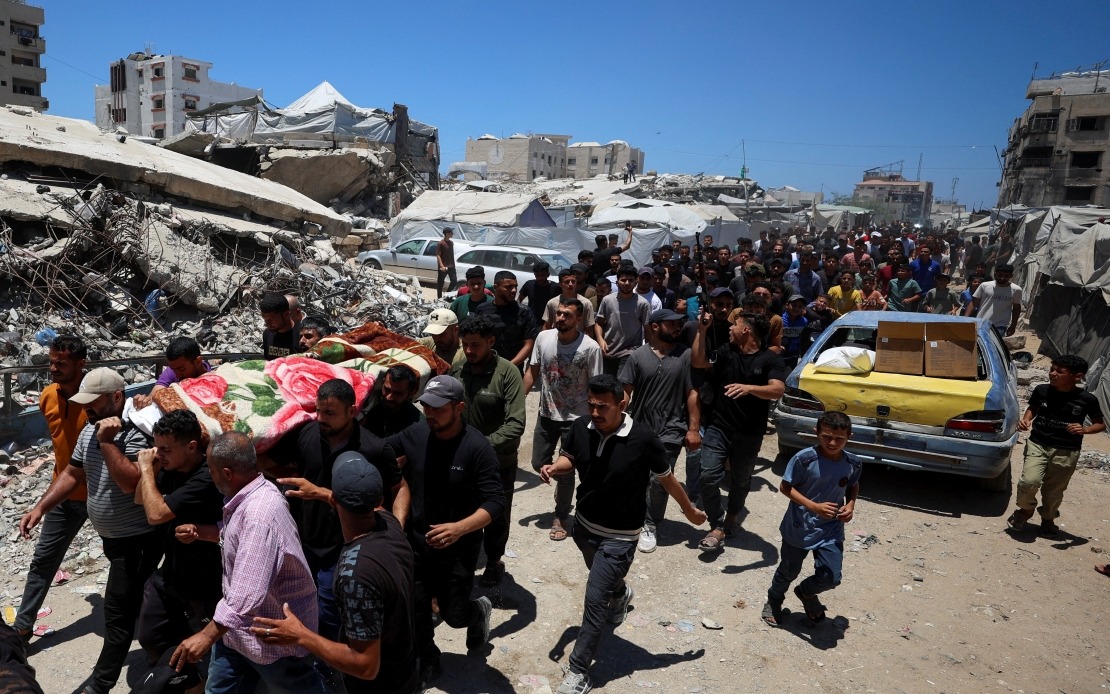
Nearly ten months into the Gaza conflict, Israeli military operations have claimed an additional 1,021 Palestinian lives since the ceasefire agreement took effect, pushing the total death toll in the enclave to 73,032 since October 2023. The grim accounting comes from a Situation Report released by the Palestinian Prime Minister's Office this week, underscoring the fragile nature of the supposed halt in fighting and the humanitarian catastrophe unfolding across the territory.
The humanitarian landscape in Gaza has grown increasingly bleak, according to the Palestinian Government Communication Centre. Ongoing Israeli bombardments and stringent restrictions on humanitarian aid delivery have intensified the enclave's spiral into deeper deprivation. Access to clean drinking water has become critically limited for most residents, who now depend almost entirely on whatever relief supplies the international community manages to funnel into the territory. This basic necessity, once taken for granted, has become a lifeline for survival.
The scale of physical destruction compounds the humanitarian emergency. Nearly one million Palestinians currently live in makeshift tent settlements after Israeli military operations destroyed or severely damaged three-quarters of Gaza's residential housing stock. The 76.6 per cent destruction rate represents an almost total erasure of permanent shelter across the enclave, leaving entire populations homeless and vulnerable to disease, malnutrition, and the elements. The reconstruction challenge ahead appears insurmountable given the ongoing conflict and international funding shortfalls.
Recent Israeli attacks have extended across multiple population centres. Air and drone strikes in Nuseirat, Al-Mawasi, Khan Younis, and Gaza City have added fresh casualties and deepened the humanitarian crisis. Each reported operation generates new displacement, new casualties among civilians, and deteriorates living standards already pushed to breaking point by months of intensive conflict.
Children bear a disproportionate burden of the violence. According to UNICEF, 265 Palestinian children have been killed since the ceasefire announcement, with more than 400 others sustaining injuries. These figures highlight how the conflict continues to claim young lives despite the nominal cessation of large-scale hostilities. The toll on the next generation raises profound questions about Gaza's long-term recovery and the psychological trauma affecting hundreds of thousands of surviving children.
Humanitarian organisations have sounded urgent warnings about Israeli-imposed restrictions blocking aid delivery. Oxfam raised concerns before the United Nations Security Council, documenting how checkpoints, movement restrictions, and bureaucratic obstacles prevent life-saving assistance from reaching desperate populations. The organisation's testimony suggests that ceasefire implementation has not meaningfully eased the logistical barriers that international organisations face when attempting to deliver food, medicine, and emergency supplies.
Beyond Gaza's borders, the Palestinian territories face escalating pressures. The United Nations Human Rights Office has documented a marked surge in forced displacement of Palestinians throughout the occupied West Bank and East Jerusalem. Settler violence, military home demolitions, movement restrictions, and forced evictions have created a parallel humanitarian crisis affecting communities outside the main conflict zone. This expansion of displacement suggests a broader pattern of territorial pressure across occupied Palestinian lands.
Agricultural communities have suffered devastating losses at the hands of Israeli settlers and occupation forces. The Palestinian Ministry of Agriculture documented the destruction of 7,258 trees, including 1,270 olive trees belonging to Palestinian farmers, with estimated losses valued at approximately US$5.17 million. Additionally, arson attacks targeted two mosques in the villages of Jiljilya and Mazra' al-Nubani, indicating that cultural and religious sites have not been spared from violence. These attacks strike at both livelihoods and community identity.
Refugee camps in the northern West Bank have experienced major displacement campaigns. Israeli military operations in Jenin, Tulkarem, and Nour Shams refugee camps since January 2025 have displaced more than 33,000 Palestinians, creating new waves of internal displacement and compounding the region's humanitarian strain. Meanwhile, detention conditions in Israeli facilities have deteriorated significantly, with overcrowding, disease outbreaks, and inadequate medical care triggering concerns from international organisations monitoring prisoner welfare.
The Palestinian government has maintained efforts to sustain normal institutional functions despite the conflict's severity. Educational authorities have completed preparations for this year's General Secondary Education Examination, involving approximately 91,000 students. Notably, roughly 37,000 Gaza-based students are sitting for examinations electronically for the third consecutive year, adapting to circumstances where physical schooling has become nearly impossible. This persistence reflects the determination to preserve educational continuity even amid extraordinary adversity.
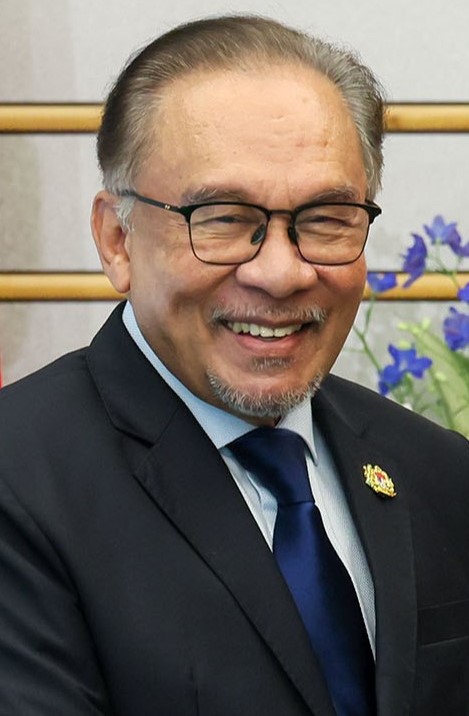
For Malaysia and Southeast Asia, the Gaza situation carries broader implications. As a Muslim-majority nation with significant diplomatic influence in the region, Malaysia has long emphasised the Palestinian cause within international forums. The mounting death toll and humanitarian catastrophe present ongoing challenges for regional stability and for Malaysia's foreign policy positioning. The unresolved nature of the conflict, despite ceasefire agreements, underscores how territorial disputes and military occupation generate prolonged humanitarian emergencies that ripple across the global community, particularly affecting developing nations that receive displaced populations or face regional destabilisation.