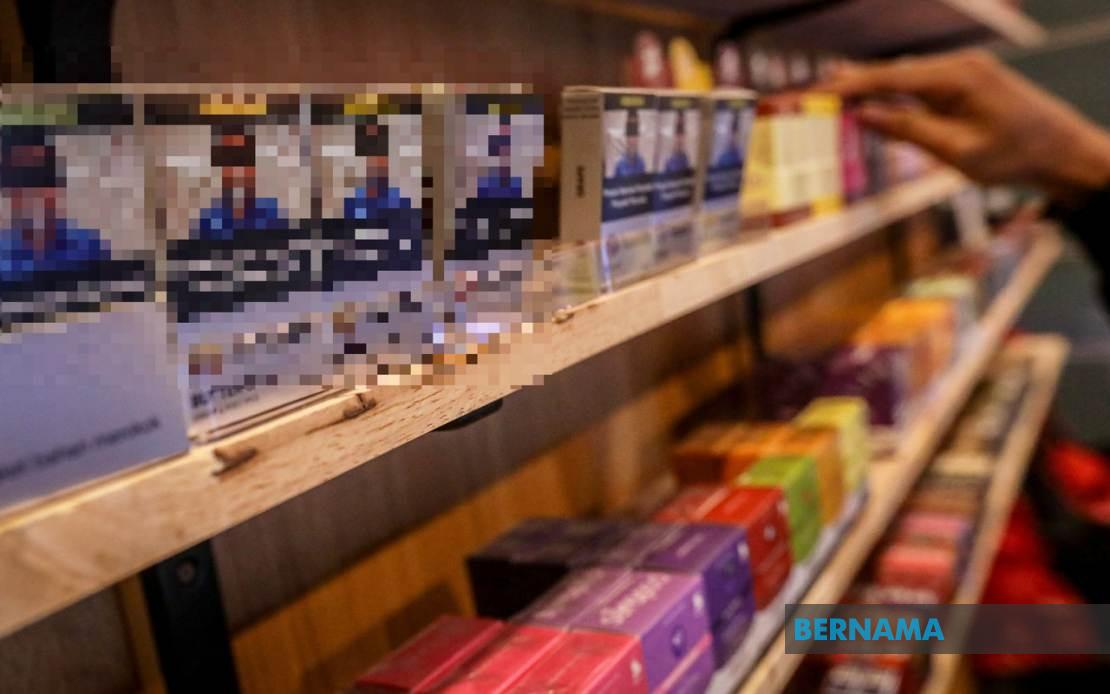
The escalating crackdown on illicit vape products containing banned substances has yielded substantial enforcement results, with Malaysian authorities confiscating 718.43 kilogrammes of contaminated devices and liquids over a two-and-a-half-year period spanning 2023 through June 2024. The operation has led to 585 arrests linked to 400 distinct cases, underscoring the scale of a criminal enterprise that has adapted to exploit digital commerce channels. The Home Ministry's disclosure of these figures through parliamentary documentation signals growing governmental concern about a supply chain specifically engineered to deceive consumers and bypass regulatory safeguards.
The trajectory of enforcement activity reveals a dramatic intensification in recent months, suggesting either increased criminal activity or more effective detection mechanisms—or both. During 2023, authorities apprehended 66 individuals across 32 cases whilst seizing 471.50kg of contraband vape products laced with synthetic drugs, tetrahydrocannabinol (THC), psilocybin-containing mushroom extracts, and other psychoactive compounds. This represented the foundational year of what appears to be an accelerating phenomenon. The following year witnessed a counterintuitive decline in seizure volume to 62.68kg despite an almost doubling of arrest figures to 114 individuals involved in 92 cases, suggesting enforcement focus shifted toward dismantling networks rather than simply intercepting shipments.
The most alarming trend materialised in 2025, when confiscations jumped dramatically to 115.22kg amid 138 arrests spanning 108 cases. The data available through May of this year indicates an even sharper acceleration, with authorities seizing 69.03kg whilst effecting 267 arrests connected to 168 cases. This exponential increase in arrest numbers relative to seizure volumes implies either that enforcement efficiency has improved markedly or that arrest thresholds have lowered, capturing lower-level distributors and retailers as well as traffickers. The pattern suggests authorities may be adopting a prosecution-intensive strategy targeting the expanding consumer-facing retail ecosystem rather than focusing exclusively on wholesale interdiction.
The Home Ministry characterises the phenomenon as a deliberate strategy by criminal syndicates to target vulnerable demographics, specifically young people and students, through carefully chosen distribution channels. These networks have capitalised on Malaysia's robust e-commerce infrastructure, social media platforms, and parcel delivery systems to establish supply chains that operate partially in plain sight. Entertainment venues, dedicated vape retail kiosks, and clandestine manufacturing laboratories identified as focal points for enforcement activity reveal the breadth of the problem. The decision to route products through courier services particularly complicates enforcement, as parcels move through logistics networks originally designed for legitimate commerce, requiring customs and border authorities to screen volumetric flows of packages.
A large-scale enforcement operation designated Operasi Khas Vape 1.0, conducted in April, provided detailed insight into the magnitude of illicit inventory circulating within Malaysia's retail landscape. The initiative inspected 1,670 premises nationwide and identified regulatory violations in 728 locations. Enforcement officers recovered 8,091 vape devices, 5,257 cartridges, and 205.764kg of vape substances and liquids with an estimated street value of RM4.59 million. Within this haul, 19.67kg of material tested positive for suspected drug content, valued at approximately RM2.9 million. These figures underscore the highly profitable nature of the illicit vape market and explain the persistence of criminal actors despite escalating enforcement risks.
The pharmaceutical composition of seized products reveals sophistication in synthesis and formulation. Beyond conventional psychoactive substances, contraband vapes contain synthetic cannabinoids—designer drugs engineered to evade legal definitions—alongside psilocybin mushroom preparations that offer hallucinogenic effects. This product diversity indicates supply chains connected to multiple criminal ecosystems, from regional synthetic drug laboratories through international trafficking networks. The use of courier systems and online sales channels suggests coordination between online merchant platforms and logistics providers, either through exploitation of regulatory gaps or through corruption of individual actors within those systems.
The particular vulnerability of Malaysia's youth population to vape-based substance abuse reflects both globalised marketing practices and localised accessibility. Vaping technology carries less social stigma than traditional smoking and eliminates obvious visual markers of consumption, making detection within educational institutions and family settings substantially more difficult. The fruity and dessert-themed flavouring profiles, common in legitimate vape products, provide convenient cover for products containing controlled substances. Digital advertising through social media platforms and messaging applications targets age-appropriate demographics with precision unavailable to traditional traffickers, whilst maintaining deniability about product composition.
Governmental response has expanded beyond enforcement operations to encompass intelligence gathering infrastructure and public health messaging. The Home Ministry has prioritised cyber surveillance capabilities to monitor online vape sales, enhanced forensic laboratory capacity to identify drug components, and public awareness campaigns targeting schools and young people. These complementary initiatives reflect an understanding that enforcement alone cannot address demand-side vulnerability. Educational programming addressing drug prevention remains foundational to reducing consumer appetite for illicit products, though the efficacy of such programmes in combating peer pressure and curiosity-driven experimentation among adolescents remains contested.
For regional observers, Malaysia's enforcement experience offers instructive lessons regarding transnational illicit commodity flows. The demonstrated use of legitimate e-commerce and logistics infrastructure by criminal networks mirrors patterns documented across Southeast Asia and beyond. The speed of scaling from low-level activity in 2023 to volume operations by 2025 illustrates the rapid adaptability of criminal enterprises to market opportunities. Malaysia's relatively developed regulatory environment and enforcement capacity have nonetheless struggled to contain the phenomenon, suggesting that countries with less-established institutional infrastructure may face substantially greater challenges in addressing similar trends.
The sustainability of current enforcement momentum remains uncertain. Escalating arrest figures could eventually exhaust available prosecutorial and detention capacity, potentially creating bottlenecks in the justice system. Conversely, criminal networks may relocate supply chains to alternative jurisdictions or adapt distribution methods further, shifting retail operations entirely online or moving manufacturing to sources beyond Malaysian regulatory reach. The Home Ministry's commitment to intensified operations suggests sustained political will, though the resource requirements for maintaining expanded enforcement activity alongside public health interventions could create budgetary constraints.

