The Federal Territories have received a significant shipment of national flags as Malaysians prepare to commemorate their independence. Over 62,000 Jalur Gemilang flags have been circulated throughout Kuala Lumpur, Putrajaya and Labuan since the start of August, signalling the beginning of the HKHM 2026 campaign season. The distribution effort represents a coordinated push to boost patriotic sentiment across the three federal administrative regions ahead of the August 31 National Day and September 16 Malaysia Day observances.
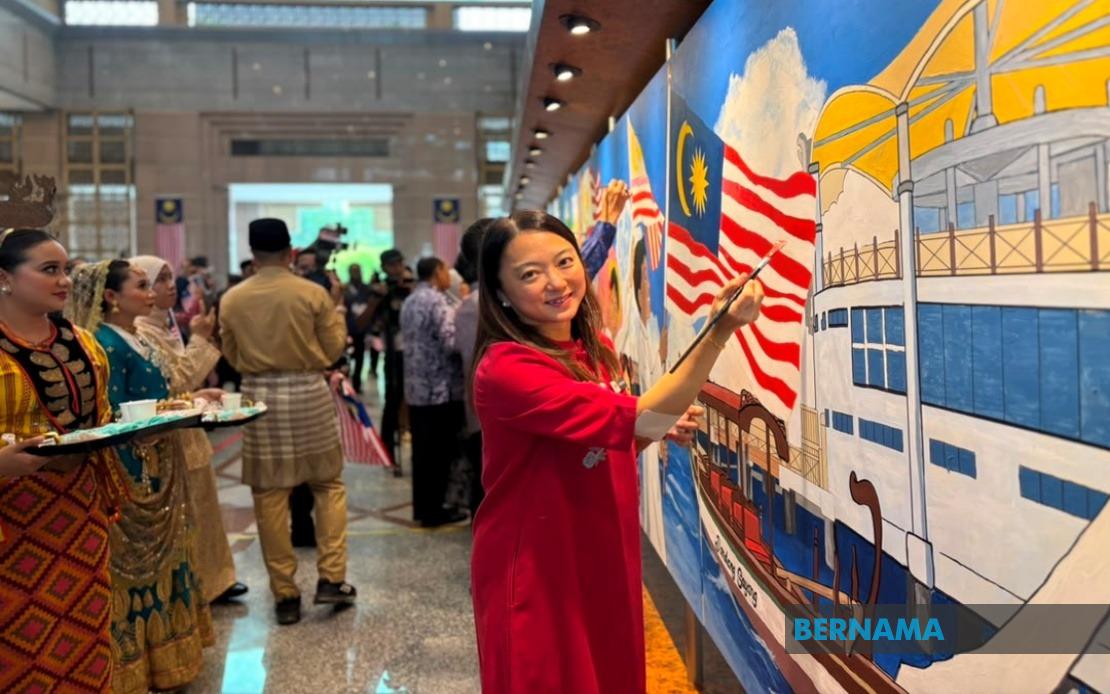
Hannah Yeoh, Minister in the Prime Minister's Department responsible for Federal Territories, spearheaded the distribution initiative and emphasised the symbolic importance of flag display as an expression of national pride. Speaking at the Aspirasi Jalur Gemilang: Mural Kemerdekaan programme in Putrajaya, she underscored that the Jalur Gemilang represents the freedom and sovereignty that Malaysians enjoy today. The flags have been strategically placed along major thoroughfares designated for official ceremonies, in government buildings, municipal spaces, and residential neighbourhoods, creating a visible national presence throughout the urban landscape.
Yeoh acknowledged a persistent concern among citizens about proper flag etiquette and made a deliberate effort to destigmatise flag-flying. Rather than discouraging public participation due to uncertainty about correct protocols, she urged Malaysians to embrace flag display with confidence. The Minister noted that comprehensive guidelines detailing proper flag handling and presentation are readily available online, removing the primary barrier preventing individuals and households from participating in the patriotic gesture. This approach reflects a broader strategy to democratise national symbolism and encourage grassroots engagement.
The emphasis on correct flag display carries particular weight in Malaysian culture, where reverence for national symbols carries deep significance. Yeoh advised business owners and corporate managers to ensure that their employees receive proper instruction before undertaking flag-flying duties, and to implement supervisory checks to prevent inadvertent violations of flag protocols. Such internal standards help organisations demonstrate their institutional commitment to safeguarding the dignity of Malaysia's national emblem while normalising flag display as routine civic practice.
Yeoh made an important pedagogical point regarding the cultivation of patriotism from an early age. She argued that instilling respect for the Jalur Gemilang during childhood and school years creates lasting attitudes toward national identity and civic responsibility. By encouraging flag-flying rather than creating anxiety around it, authorities aim to build emotional connections between citizens and their nation that extend beyond ceremonial occasions. This long-term approach to civic education reflects international best practices in fostering sustained patriotic sentiment across generations.
The Federal Territories Department director-general Datuk Muhammad Azmi Mohd Zain and Putrajaya Corporation president Datuk Mohd Sakeri Abdul Kadir joined Yeoh in overseeing the distribution and promotion campaign. Their involvement demonstrates the multi-agency coordination required to execute nationwide patriotic initiatives. The presence of these senior officials at public events signals government commitment to the HKHM 2026 observance and lends institutional weight to the campaign messaging.
A significant symbolic element of the campaign unfolded during the Menara Seri Wilayah gathering, where officials and JWP personnel completed a 25.40-metre mural celebrating Malaysian independence. The artwork incorporated iconic architectural and geographical representations of all three Federal Territories—Kuala Lumpur, Putrajaya and Labuan—alongside the Jalur Gemilang prominently featured as a symbol of national sovereignty. This large-scale public art installation serves multiple functions: it provides a visually striking reminder of the upcoming celebrations, demonstrates official commitment to the commemorative period, and creates an Instagram-friendly landmark that encourages social media engagement among younger demographics.
The social media component of the campaign capitalises on digital connectivity to expand patriotic messaging beyond physical flag displays. Yeoh specifically encouraged Malaysians to photograph and share images of their Jalur Gemilang displays on social platforms, leveraging organic user-generated content to amplify the campaign's reach. This hybrid approach—combining traditional flag distribution with digital engagement—reflects how modern patriotic campaigns integrate multiple communication channels to connect with diverse audience segments across age groups and demographics.
For Malaysia and Southeast Asia more broadly, flag distribution campaigns represent a standard apparatus of state patriotic engagement, particularly during independence commemoration periods. The Federal Territories initiative aligns with regional practices of visual nationalism while attempting to reduce barriers to participation. By emphasising accessibility and providing clear guidance, Malaysian authorities signal an inclusive approach to national symbolism that welcomes rather than gatekeeps participation.
The timing of this distribution—concentrated in the months preceding National Day and Malaysia Day—reflects administrative planning cycles that space major patriotic campaigns strategically throughout the year. August and September typically witness intensified nationalist messaging as these dual commemorations approach, with government resources mobilised to support public participation. The 62,000-flag threshold represents a significant logistical undertaking involving procurement, storage and distribution networks across three distinct geographic regions with different urban characteristics.
For Malaysian communities, particularly in the Federal Territories where government presence is concentrated, the flag distribution campaign creates tangible physical manifestations of state sponsorship of patriotic activity. Residents encountering Jalur Gemilang displays in their neighbourhoods receive implicit messages about expected civic participation and national values. The distribution thus functions not merely as practical provision of materials but as a form of political communication that normalises public flag display as standard practice.
Looking forward, the success of the HKHM 2026 campaign will likely be measured not just in flags distributed but in actual public participation and social media engagement during the August 31 and September 16 commemorations. By removing anxiety about proper protocol and actively encouraging participation through accessible guidelines and prominent official endorsements, Malaysian authorities are attempting to broaden the social base of flag-flying beyond government buildings and corporate offices into residential neighbourhoods and online spaces. This inclusive approach reflects evolving strategies in nation-building that seek authentic grassroots engagement rather than top-down imposition of patriotic practice.

