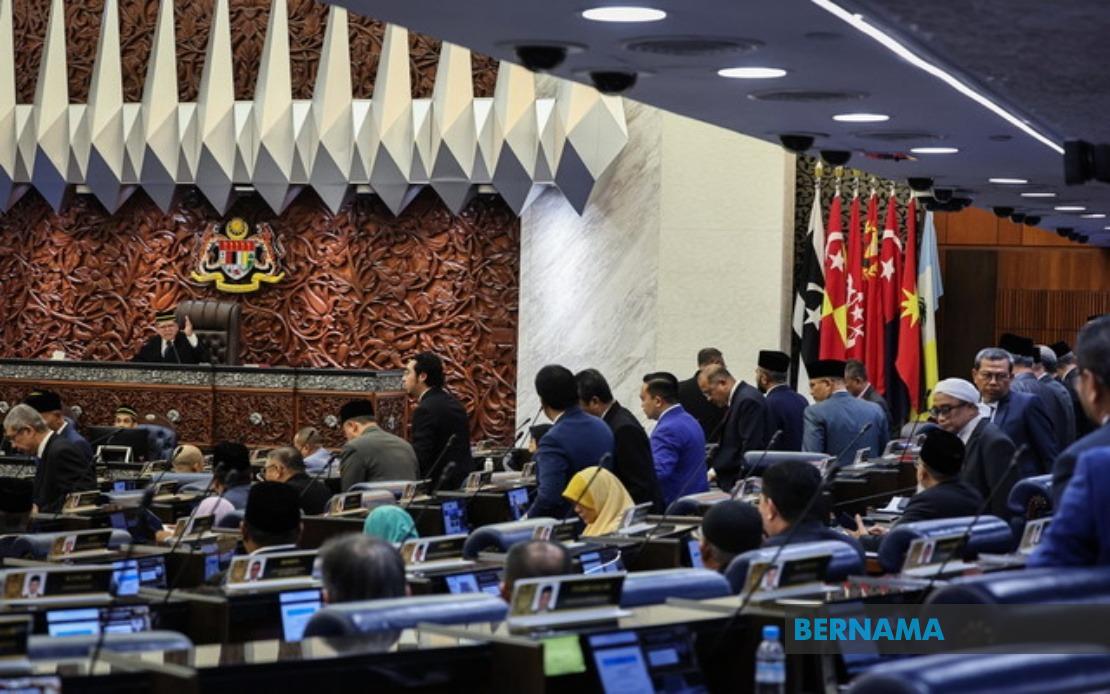
The decision by Perikatan Nasional opposition MPs to abandon Parliament's debate on Tabung Haji's Royal Commission of Inquiry report raises uncomfortable questions about whether their protest serves depositors or merely advances partisan interests. Led by Opposition Leader Datuk Seri Hamzah Zainudin, PN lawmakers including Chief Whip Datuk Seri Takiyuddin Hassan and chairman Datuk Seri Dr Samsuri Mokhtar staged a walkout from the Dewan Rakyat following the absence of Prime Minister Datuk Seri Anwar Ibrahim and Deputy Prime Minister Datuk Seri Fadillah Yusof, both undergoing medical treatment. The move has reignited debate about Parliament's role as a guardian of public interest and whether opposition tactics genuinely protect or inadvertently compromise accountability mechanisms.
The Tabung Haji crisis itself carries profound implications for Malaysian society. The pilgrimage savings scheme, long regarded as a cornerstone of Islamic financial planning for millions of depositors, has faced mounting scrutiny following governance failures revealed in the RCI report released publicly on July 29. For ordinary Malaysians who entrusted their savings to the institution—many viewing deposits as both financial security and religious obligation—the parliamentary debate represented a rare opportunity to scrutinize systemic failures and hear commitments toward recovery. When opposition lawmakers vacated their seats, they surrendered a platform traditionally reserved for holding government accountable and articulating alternative solutions.
Professor Datuk Dr Sivamurugan Pandian from Universiti Sains Malaysia's School of Social Sciences offers a nuanced critique that transcends simple partisan judgment. He characterizes the walkout fundamentally as a political protest against executive absence rather than a coherent response to Tabung Haji's substantive crisis. The distinction matters considerably: protesting the Prime Minister's non-attendance addresses one institutional grievance, while abandoning debate on a matter affecting millions of depositors creates an entirely separate narrative problem. Sivamurugan observes that remaining in Parliament while robustly challenging the RCI findings, demanding explanations, and proposing concrete remedies would have generated a documented record far more valuable than the ephemeral publicity of departure.
The asymmetry between political symbolism and parliamentary substance becomes particularly acute in systems dependent upon checks and balances. Walkouts generate headlines and demonstrate displeasure, yet they simultaneously remove the walkout participants from the forum where their arguments acquire official standing and force government responses into the legislative record. By leaving the chamber, opposition MPs forfeited the opportunity to pose detailed questions about RCI recommendations, interrogate proposed recovery mechanisms, and outline alternative approaches to protecting depositor interests. These substantive exchanges, properly documented in Hansard, create accountability anchors that resist subsequent revision or dismissal.
Significantly, not all opposition lawmakers embraced the walkout strategy, revealing internal disagreement about its effectiveness. Some PN members chose to remain seated, suggesting divisions within the opposition bloc itself regarding whether the protest served their political and policy objectives. This fracturing of opposition unity during a crisis affecting millions underscores the tactical confusion surrounding the walkout decision. Unified, coordinated opposition makes stronger statements; divided opposition weakens its hand and undermines its moral authority to claim it represents depositor interests.
Simultaneously, Sivamurugan acknowledges legitimate concerns about executive presence during critical parliamentary debates. The Prime Minister's absence from discussion of a financial institution in crisis does carry symbolic weight and represents a statement about government priorities. Depositors and lawmakers reasonably expect the nation's chief executive to participate directly in debates addressing institutional failures affecting citizens' savings. Opposition frustration with this absence reflects genuine institutional standards about how governments should conduct themselves during moments of public trust restoration. The problem lies not in objecting to the PM's absence but in how that objection manifests.
The timing and context of the medical absences complicate analysis further. Both Anwar Ibrahim and Fadillah Yusof were undergoing treatment, circumstances beyond immediate control yet nonetheless creating a vacuum that heightened tensions. Takiyuddin Hassan's adjournment proposal offered a procedural avenue for addressing the government's incomplete representation. Whether deferring the debate until full executive participation became possible would have strengthened parliamentary scrutiny or simply delayed necessary accountability remains contested. The opposition chose confrontation over postponement, a strategic calculation with consequences for how the Tabung Haji narrative unfolds.
For depositors themselves—the supposed beneficiaries of opposition advocacy—the walkout's utility appears dubious. Tabung Haji savers confronting uncertain futures regarding their savings required Parliament to function as a fact-finding and accountability body. They needed their representatives, opposition and government alike, to engage systematically with RCI findings, challenge inadequate responses, and demand concrete recovery plans. Parliamentary debate provides the transparency mechanism through which ordinary citizens can observe whether their representatives prioritize their welfare. An empty opposition bench diminishes that transparency regardless of which side occupies it.
Sivamurugan's framework emphasizing the distinction between protest and parliamentary function offers guidance for future similar situations. Walkouts carry meaning as expressions of political frustration, yet they simultaneously represent abdication of legislative duty. Opposition parties face perpetual tension between generating immediate political pressure through dramatic gestures and accumulating long-term institutional credibility through sustained engagement. In this case, remaining present to deliver withering critiques of government proposals, introduce competing amendment proposals, and force ministers into substantive responses would have positioned PN as genuinely fighting for depositor interests rather than simply expressing displeasure with protocol breaches.
The RCI report itself, spanning months of investigation and addressing fundamental governance failures, deserved parliamentary treatment befitting its significance. Whether the investigation identified corruption, incompetence, or systemic design flaws, Parliament's role requires thorough examination and documented debate. Opposition voices contribute essential perspective to such scrutiny, yet only when they remain engaged in the deliberative process. By walking out, PN essentially ceded the parliamentary arena to government members and backbenchers supporting the administration, allowing official narratives about Tabung Haji's crisis and recovery to proceed largely unchallenged by organized opposition questioning.
Moving forward, the walkout episode offers Malaysian parliamentarians across party lines an opportunity to reconsider how opposition conduct can meaningfully constrain executive power while genuinely advancing public interest. Effective opposition requires strategic choices about when to withdraw from proceedings—such as responding to procedural irregularities or gross constitutional violations—and when to remain engaged regardless of frustration. The Tabung Haji crisis, affecting millions of depositors with savings at stake, arguably demanded the latter approach. Future parliamentary situations involving financial scandals, governance failures, or institutional crises affecting ordinary citizens will likely present similar choices, and how opposition parties resolve them will determine whether they enhance or undermine Parliament's accountability function and their own credibility as guardians of public welfare.

