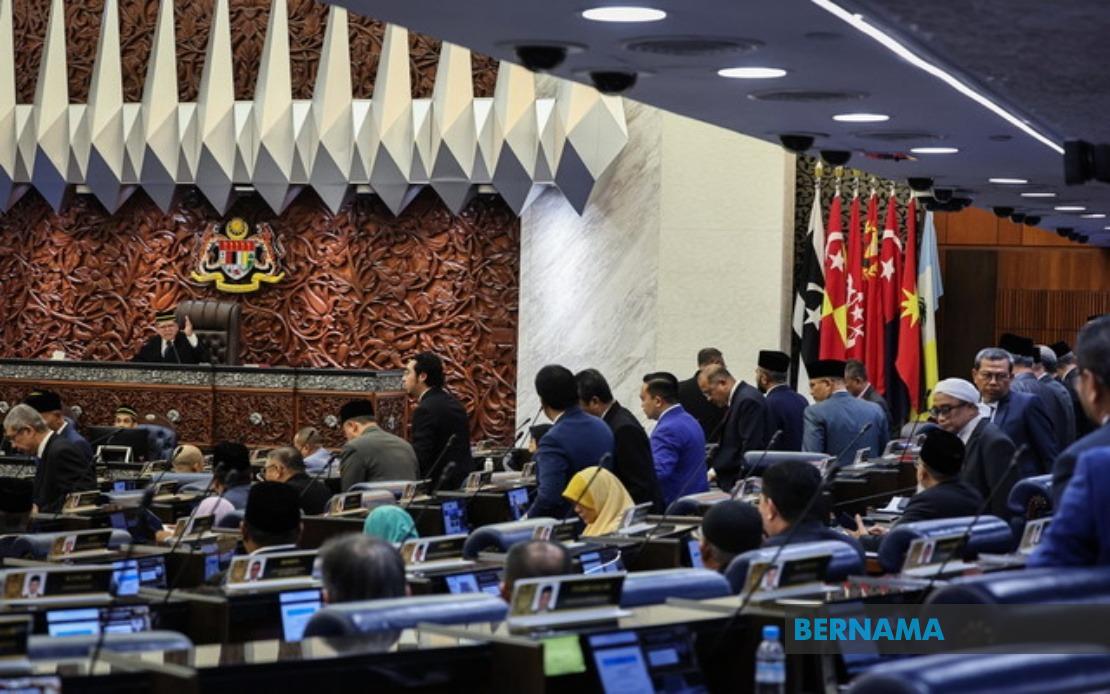
Opposition Members of Parliament staged a coordinated walkout from the Dewan Rakyat on August 11, refusing to participate in a ministerial briefing concerning the Royal Commission of Inquiry report on Lembaga Tabung Haji's management and operations. The dramatic departure highlighted growing tensions within parliament over procedural conduct and the handling of a matter that has attracted significant public scrutiny.
The opposition's decision to leave stemmed from their objection to Speaker Tan Sri Johari Abdul's determination to proceed with the briefing despite the conspicuous absence of Prime Minister Datuk Seri Anwar Ibrahim. Opposition lawmakers viewed this absence as diminishing the significance of the discussion, arguing that an inquiry of such importance warranted the presence of the nation's chief executive. The walkout represented a calculated show of dissent, with members making their position clear through parliamentary action rather than debate.
Perikat Nasional's chief whip, Datuk Seri Takiyuddin Hassan, had formally proposed that the special sitting be postponed given the medical circumstances affecting key leadership figures. Both the Prime Minister and Deputy Prime Minister Datuk Seri Fadillah Yusof were undergoing medical treatment, a situation that opposition lawmakers felt justified deferring the discussion to a time when full executive representation could be assured. This procedural motion reflected a legitimate concern about engaging substantively with policy matters during periods when critical decision-makers were unavailable.
Dewan Rakyat Speaker Johari responded to the walkout with a notably permissive stance, effectively granting opposition members liberty to absent themselves from the proceedings. His response carried undertones of criticism, suggesting that those who chose to leave were neglecting important public business. The Speaker's comments appeared designed to frame the opposition's departure as a dereliction of parliamentary duty, shifting the narrative from an objection about procedure to an assertion that lawmakers were shirking accountability before constituents.
Following the departure, the briefing proceeded under ministerial leadership with Dr Zulkifli Hasan, the Minister in the Prime Minister's Department (Religious Affairs), assuming primary responsibility for presenting the RCI findings to remaining lawmakers. The continuation of the session meant that government and supportive members could proceed with reviewing the inquiry's conclusions and recommendations regarding Tabung Haji's operations without opposition participation or scrutiny.
The incident underscores persistent friction between government and opposition regarding parliamentary procedure and the proper conduct of special sittings. Opposition lawmakers have growing expectations that matters of national significance—particularly those involving royal commissions and public institutions managing citizen funds—should receive presidential-level engagement. The absence of key executive figures, even for legitimate health reasons, creates perceptions that the matter is being downgraded or treated as routine business rather than a serious accountability exercise.
Tabung Haji itself remains a sensitive institution in Malaysian politics, given its role as the primary pilgrimage savings scheme serving Muslim Malaysians. Public trust in its management has faced challenges, making the RCI report a document of considerable importance to millions of citizens who depend on the organization. The optics of a fractious parliamentary proceeding surrounding its presentation risk further eroding confidence in both the inquiry process and institutional governance.
For Malaysian and Southeast Asian observers, this parliamentary drama illustrates the consolidation challenges facing Malaysia's newer political coalition. Despite nominal control of parliament, the government faces persistent opposition resistance to its legislative agenda. The walkout also demonstrates how procedural questions—seemingly technical matters about when and under what circumstances parliament conducts business—have become flashpoints for broader political contestation.
The timing of the briefing during a period when both the Prime Minister and Deputy Prime Minister required medical attention created conditions ripe for procedural dispute. Opposition lawmakers seized the opportunity to lodge a formal protest about what they perceived as inadequate executive accountability. Whether substantive or performative, the walkout generated headlines and signaled continuing parliamentary dysfunction as different blocs struggle to establish mutually acceptable norms of conduct.
Speaker Johari's permissive response, while maintaining formal parliamentary authority to continue business, reflected practical recognition that attempting to compel opposition participation would likely generate further conflict. His comments inviting opposition members to depart essentially acknowledged their prerogative while attempting to cast them in an unfavorable light with the broader public. This rhetorical strategy shifted the confrontation from a procedural dispute to a broader question of legislative responsibility.
Moving forward, the incident suggests that parliamentary management of high-profile inquiries and sensitive institutional matters will remain contentious. Establishing clearer conventions about executive presence for RCI-related briefings might prevent similar disputes, though opposition lawmakers will likely continue leveraging procedural objections as negotiating tools within broader political competition. The walkout ultimately served opposition interests by demonstrating resistance to government actions, even if the substantive impact on policy remained minimal.

