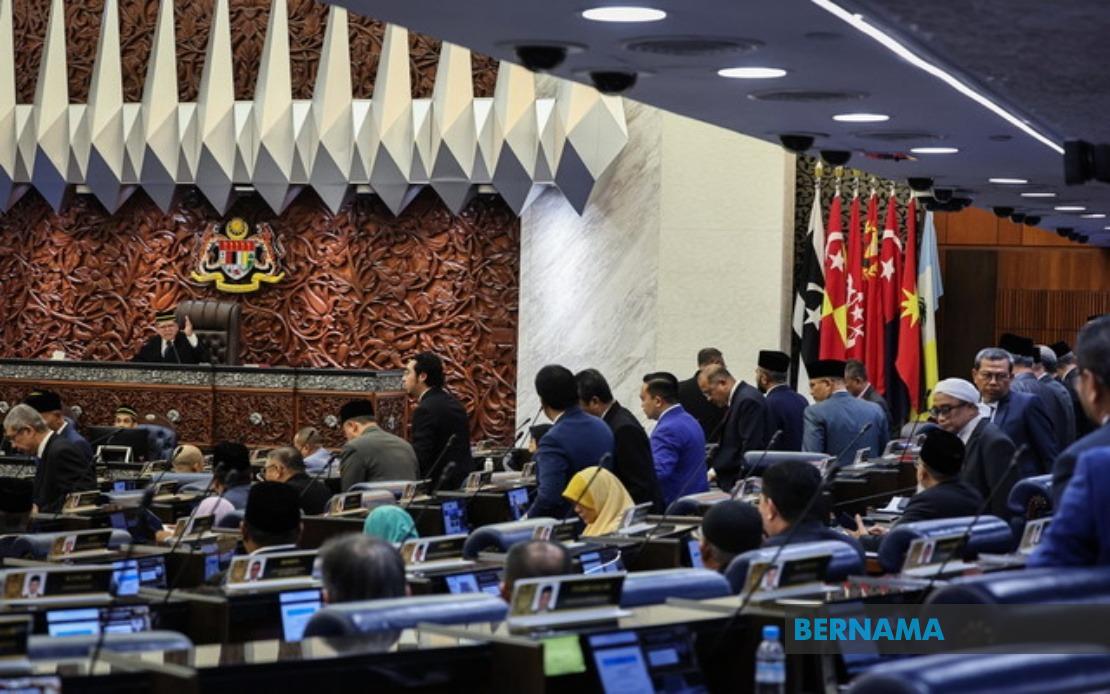
The Dewan Rakyat witnessed a significant political boycott on August 11 when Opposition Leader Datuk Seri Hamzah Zainudin and a substantial contingent of Perikatan Nasional (PN) parliamentarians abandoned the chamber during a special sitting convened to discuss the findings and recommendations of the Royal Commission of Inquiry into Lembaga Tabung Haji. The coordinated walkout by multiple opposition MPs underscored rising tensions in the legislative body and reflected broader disagreements over parliamentary procedures and government accountability mechanisms.
Among those who departed the chamber were PN Chief Whip Datuk Seri Takiyuddin Hassan and party chairman Datuk Seri Dr Samsuri Mokhtar, indicating the protest carried official party sanction. The walkout extended across both PAS and Bersatu contingents within the opposition alliance, demonstrating a show of unity despite the two parties' different ideological orientations. Seven MPs were specifically identified as participating in the boycott, though the full list of those who left remained undisclosed.
The PN lawmakers who departed included several PAS representatives: Datuk Rosol Wahid representing Hulu Terengganu, Mohd Syahir Che Sulaiman from Bachok, Dr Halimah Ali from Kapar, and Datuk Siti Zailah Mohd Yusoff from Rantau Panjang. Three additional MPs also exited, namely Datuk Wan Saifulruddin Wan Jan from Tasek Gelugor, Wan Ahmad Fayhsal Wan Ahmad Kamal from Machang, and Datuk Seri Dr Ronald Kiandee from Beluran. The breadth of representation across different states suggested this was not an isolated or spontaneous action but rather a strategically orchestrated position.
Critically, the walkout was not universal among opposition benches. Some opposition MPs remained in the chamber to engage with the parliamentary proceedings, including Putrajaya MP Datuk Dr Radzi Jidin and Langkawi MP Datuk Mohd Suhaimi Abdullah, both of whom are Bersatu members. This selective participation revealed fissures within the opposition coalition and raised questions about the internal discipline and messaging within PN during this period. The decision by some opposition lawmakers to stay suggested disagreement over the appropriateness or effectiveness of the boycott strategy.
The catalyst for the PN protest emerged earlier in the proceedings when Takiyuddin formally proposed that the special sitting be adjourned. His motion cited the significant absence of Prime Minister Datuk Seri Anwar Ibrahim and Deputy Prime Minister Datuk Seri Fadillah Yusof, both of whom were receiving medical treatment at the time. The opposition appeared to argue that proceeding with the TH RCI debate in the absence of these two senior government figures lacked the necessary executive representation and proper parliamentary decorum.
The special sitting itself was convened to enable Members of Parliament to examine and deliberate upon the Royal Commission of Inquiry report concerning Tabung Haji, the Islamic pilgrimage savings fund. The government had released the RCI findings publicly on July 29 following a decision to ensure transparency regarding the commission's conclusions. This move represented an attempt to demonstrate governmental commitment to accountability in the wake of significant concerns about the institution's management and financial health.
The RCI's work focused on Lembaga Tabung Haji's operations and management practices spanning the six-year period from 2014 through 2020—a tenure encompassing both the final years of the previous Barisan Nasional administration and the initial phases of the Pakatan Harapan government. The inquiry identified multiple deficiencies in governance structures, operational procedures, and institutional oversight mechanisms. The commission subsequently issued 25 recommendations aimed at rectifying these systemic weaknesses and preventing their recurrence.
Progress on implementing the RCI's recommendations has been substantial according to official figures. By July 30, Tabung Haji had already implemented 75 per cent of the 25 recommendations, representing concrete steps toward institutional reform. This implementation rate suggests that management has moved with relative speed to address the commission's concerns, though the quality and effectiveness of such measures require ongoing monitoring. The remaining 25 per cent of unimplemented recommendations presumably involve matters requiring longer timeframes, legislative amendments, or more complex structural overhauls.
The walkout carries broader significance for Malaysia's parliamentary dynamics and opposition strategy. The Perikatan Nasional coalition has positioned itself as a vigilant watchdog demanding governmental accountability, yet its response to the TH RCI debate reveals the opposition's ambivalence about engaging with reform narratives potentially associated with the government's broader agenda. By boycotting the proceedings, PN MPs avoided participation in a debate that could have allowed them to either endorse reforms or articulate alternative solutions, effectively ceding the floor to government supporters without registering formal dissent within the chamber.
This incident also illuminates challenges surrounding parliamentary procedure when key executive figures are unavailable due to health matters. While government officials may face genuine health emergencies requiring temporary absence, the opposition's argument that such absences undermine the quality of parliamentary scrutiny merits consideration. However, the government's ability to proceed despite these absences—with sufficient numbers retaining quorum—suggests that modern parliamentary systems must accommodate temporary leadership absences while preserving legislative function.
For Malaysian observers and stakeholders with interests in governance reform at Tabung Haji, the controversy surrounding this debate may actually obscure the substantive issues at stake. The RCI's findings regarding management weaknesses between 2014 and 2020 represent important institutional history that warrants serious examination regardless of which administration is assessed. The opposition's choice to boycott rather than engage meant that alternative perspectives on the findings and recommendations remained largely unvoiced in the legislative record.
The incident underscores the complex relationship between government and opposition in contemporary Malaysian politics, where procedural objections and symbolic protests sometimes supersede substantive policy engagement. Whether the opposition's decision to absent itself from the debate strengthened or weakened its credibility as a guardian of public accountability remains contested, with different observers likely interpreting the walkout through their respective political lenses.

