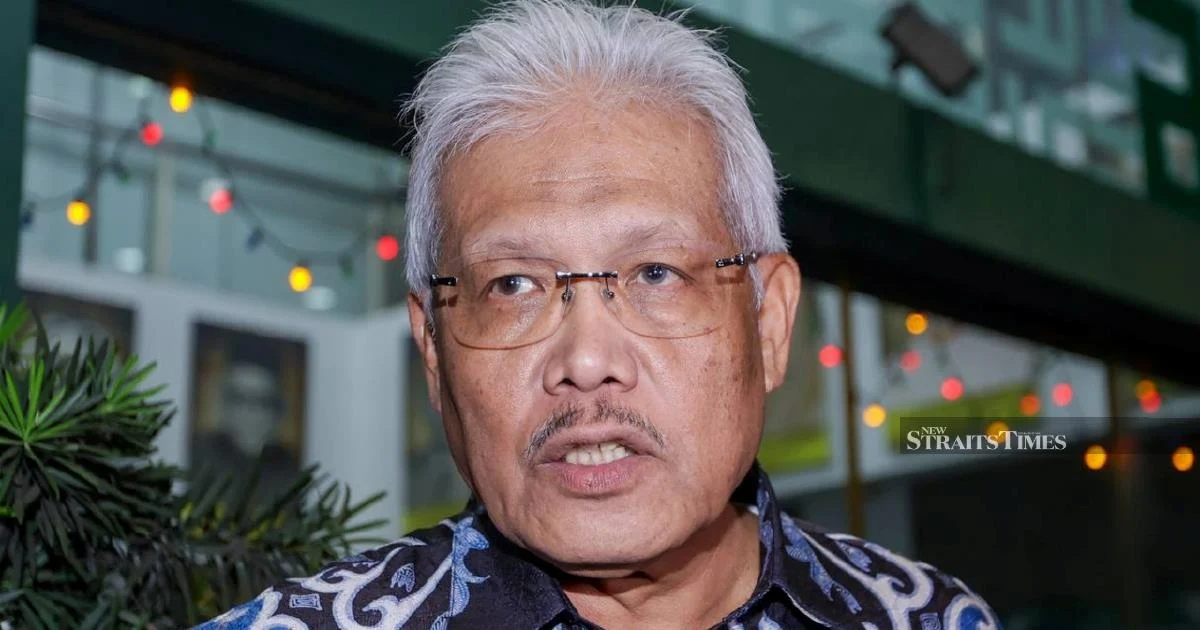
The Malaysian opposition coalition is set to lodge a formal notice with the Dewan Rakyat Speaker confirming the appointment of Datuk Seri Hamzah Zainudin as the new opposition leader, with the submission planned ahead of the next parliamentary sitting. The procedural step, announced from Kota Baru, underscores the opposition's intent to institutionalize the leadership transition through official parliamentary channels and ensure the appointment carries full constitutional weight.
The timing of this notification carries significance for Malaysia's legislative calendar. By submitting the notice before parliament reconvenes, the opposition aims to establish Hamzah's formal status in the Dewan Rakyat records at the earliest opportunity, avoiding any procedural ambiguity about representation and speaking rights. This approach reflects established parliamentary practice where opposition leadership must be officially recognized by the Speaker's office to carry legislative and administrative privileges.
Hamzah Zainudin's elevation to opposition leader represents a pivotal moment in Malaysian parliamentary politics, particularly given his previous political trajectory. As a figure who has navigated complex coalitional dynamics in recent years, his appointment suggests the opposition bloc has settled on a leader perceived to command sufficient support across its constituent parties and Independent members. The formal notification process validates this consensus through institutional channels.
The opposition coalition in Malaysia comprises multiple political parties with sometimes divergent interests, making leadership selection a delicate exercise in consensus-building. By moving swiftly to formalize Hamzah's position through official notification, the coalition demonstrates organizational coherence and determination to present a unified front in parliamentary proceedings. This institutional clarity becomes increasingly important as the coalition seeks to effectively scrutinize government policies and legislation.
Parliamentary opposition leadership carries specific responsibilities and privileges under Malaysia's Westminster-influenced system. The official opposition leader holds the right to lead the response to the Prime Minister's address, controls debate time allocation among opposition members, and serves as the focal point for media and public engagement on opposition policy positions. These prerogatives require formal recognition by the Speaker to be properly exercised.
The notice submission also carries symbolic weight in Malaysia's political landscape. It signals that the opposition intends to maintain institutional legitimacy and operate within established constitutional frameworks rather than organizing outside formal parliamentary structures. This approach appeals to voters and observers who value institutional stability and proper governance procedures, even amid intense political competition.
For Malaysian readers, Hamzah's formalization as opposition leader marks the conclusion of a leadership transition process that began earlier. The parliamentary notification transforms an internal coalition decision into an official state record, creating transparency about who legitimately speaks on behalf of the opposition bloc during parliamentary business. This clarity benefits parliamentary efficiency and public understanding of legislative proceedings.
The opposition's attention to procedural formality reflects lessons learned from previous political transitions in Malaysia, where questions about leadership legitimacy occasionally created confusion. By ensuring rapid, transparent notification to the Speaker, the coalition preempts any disputes about Hamzah's standing or suggests there is no serious contestation within opposition ranks about his suitability for the role.
Regional observers will note that Malaysia's opposition coalition operates in a competitive context where government control of the executive has shifted multiple times in recent years. Strong, clearly-designated opposition leadership becomes essential for maintaining effective parliamentary scrutiny and ensuring that government policies face rigorous challenge. Hamzah's formal appointment addresses this democratic imperative.
The next parliamentary sitting will therefore commence with the official opposition leadership structure confirmed and recorded. This provides opposition members with clear organizational hierarchy and helps the Speaker's office manage parliamentary business with knowledge of who represents the opposition in negotiations over debate time and committee assignments.
Looking forward, Hamzah's tenure as formally-recognized opposition leader will be measured by his effectiveness in coordinating opposition responses to government initiatives, his media relations and public communication strategy, and his ability to maintain coalition discipline across diverse member parties. The formal notification represents the administrative beginning of this accountability period.
Malaysians paying attention to parliamentary governance will appreciate that this procedural step, while seemingly technical, constitutes an important moment of institutional clarity. It represents the opposition collective's commitment to operating transparently within Malaysia's constitutional democracy and establishing formal accountability for leadership performance. The notification transforms political decision-making into an official constitutional record.

