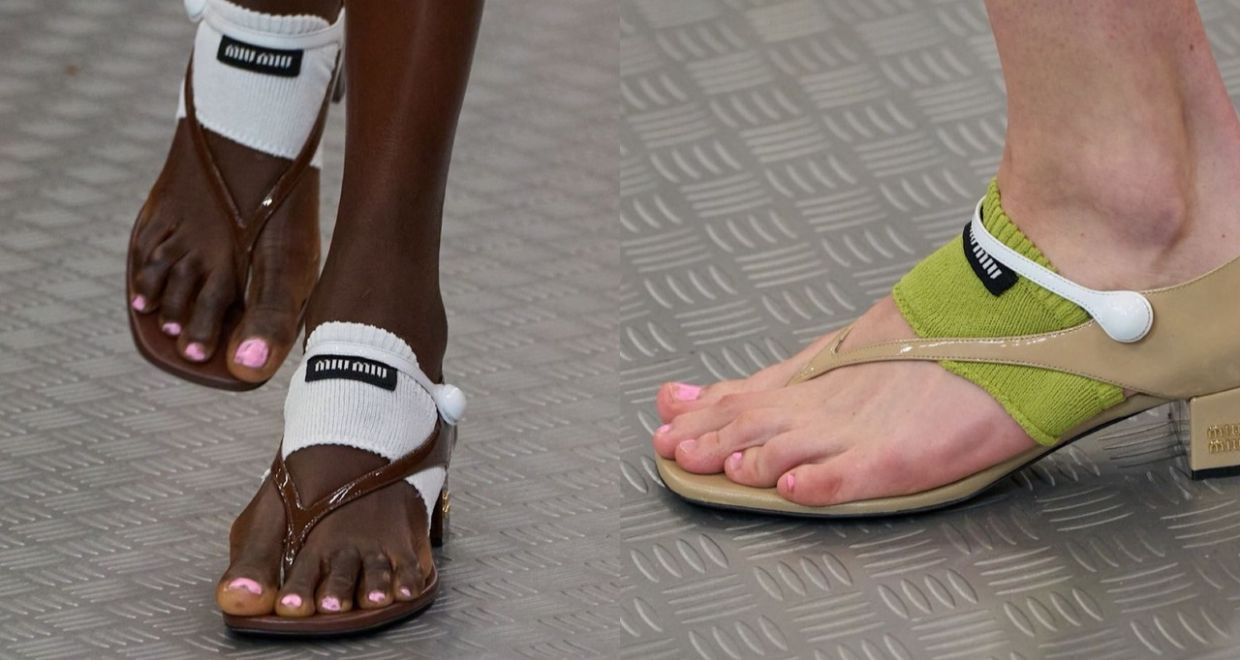
The tension between bare feet and full socks has spawned an unexpected solution that is gaining traction across Asian fashion markets. Open-toe socks—cropped styles that conceal the top portion of the foot while deliberately leaving toes exposed—are challenging conventional wisdom about summer footwear and emerging as a legitimate wardrobe choice for warm weather dressing.
The concept appears counterintuitive at first glance. Yet fashion retailers and online platforms are reporting remarkable momentum for this hybrid approach, which sits comfortably between the extremes of going sockless and wearing traditional full-coverage hosiery. This season, open-toe socks are sharing shelf space with flip-flop socks and sheer leg warmers, creating a distinct category within summer footwear styling that appeals to consumers seeking unconventional alternatives.
The surge in demand correlates directly with climatic conditions and celebrity influence. South Korea experienced an early heat wave that accelerated the seasonal shift toward sandals and lighter footwear, creating ideal conditions for this trend to flourish. During the period from May 31 to June 7, summer shoes including mules, slides and flip-flops experienced an 80 percent sales increase year-on-year, according to online fashion platform W Concept. This broader uptick in warm-weather footwear created a receptive market for complementary accessories.
The specific numbers surrounding open-toe socks are striking. According to style commerce platform Ably, transaction value for socks designed to pair with flip-flops surged 1,664 percent between mid-May and mid-June, while search volume climbed 3,227 percent during the same period. These statistics demonstrate that the trend has moved beyond niche fashion circles into mainstream consumer consciousness, suggesting genuine rather than fleeting interest.
The trend's roots trace to haute couture. Luxury house Miu Miu featured an avant-garde interpretation in its 2025 Spring/Summer collection, presenting socks that wrapped exclusively around the arch rather than encompassing the entire foot. This high-fashion validation provided the concept with credibility that filtered downward through the market. Celebrity adoption amplified the message; South Korean actor Cha Jung-won recently shared a social media post featuring sky-blue flip-flops paired with beige knit leg warmers, demonstrating how the look translates into real-world styling.
While the concept echoes winter accessories, contemporary versions operate according to entirely different principles. Modern open-toe socks prioritise breathability and aesthetic function over thermal insulation. Constructed from sheer, mesh and loosely knit fabrics, they serve as styling elements rather than practical heat sources. A representative from 29CM captured the appeal succinctly: the socks function as a summer styling shortcut, adding visual interest to otherwise basic footwear like flip-flops, sandals and ballet flats without the stuffiness of conventional socks.
Beyond aesthetics, practical functionality supports their adoption. The coverage across the foot's upper surface reduces friction and abrasion caused by flip-flop straps, addressing a genuine comfort concern many wearers experience. During monsoon season—a crucial consideration for Southeast Asian consumers—these socks offer additional benefits when worn with rain boots, providing a protective layer that minimises skin irritation from prolonged moisture exposure and boot friction. This combination of style and substance creates a compelling proposition for pragmatic fashion-conscious shoppers.
Styling these socks requires deliberate consideration. Fashion professionals recommend beginning with neutral foundations: grey, black or white socks pair naturally with conventional footwear and established casual pieces like denim and Bermuda shorts. Adventurous dressers can escalate with vivid hues—yellows, pinks and sky blues—that deliberately create contrast with shoes, a mismatched approach that paradoxically appears more intentional and fashion-forward than colour coordination. The strategy emphasises restraint elsewhere; since the socks and shoes already command visual attention, the remainder of the ensemble should remain uncomplicated—simple t-shirts, straightforward shorts, or basic skirts.
Pattern integration offers additional versatility. Socks featuring dots, floral prints or textural details complement the trend's aesthetic particularly well, creating layered visual interest that elevates otherwise straightforward summer outfits. This styling flexibility explains the trend's broad appeal across different age groups and personal aesthetics; the fundamental concept accommodates both minimalist and maximalist fashion philosophies.
For Malaysian and Southeast Asian readers, this trend presents particular relevance. The region's tropical climate creates perpetual tension between complete socklessness and full socks, making open-toe variants especially practical. The monsoon season's challenges—moisture, friction, skin irritation—align perfectly with the functional benefits these socks provide. Additionally, the trend's emphasis on playful colour and pattern combinations resonates with regional fashion preferences that often celebrate vibrant, personality-driven styling.
The cultural timing matters significantly. As Asian fashion markets increasingly drive global trends rather than following Western dictates, this region's adoption of open-toe socks carries weight that extends beyond local relevance. South Korean retailers pioneering this category are establishing patterns that neighbouring markets inevitably follow, suggesting that Malaysian fashion retailers and consumers should anticipate this trend gaining further visibility and availability.
Ultimately, open-toe socks represent more than a quirky passing fad. They solve a genuine problem—how to incorporate socks into summer wardrobes without sacrificing comfort—while offering genuine aesthetic possibilities. Fashion editor Je Hye-yoon's assessment captures the shift: socks transition from invisible functional items to visible style statements, with open-toe variations legitimising their presence in warm-weather fashion. For shoppers perpetually caught between bare feet and full coverage, this unlikely compromise offers unexpected sophistication.

