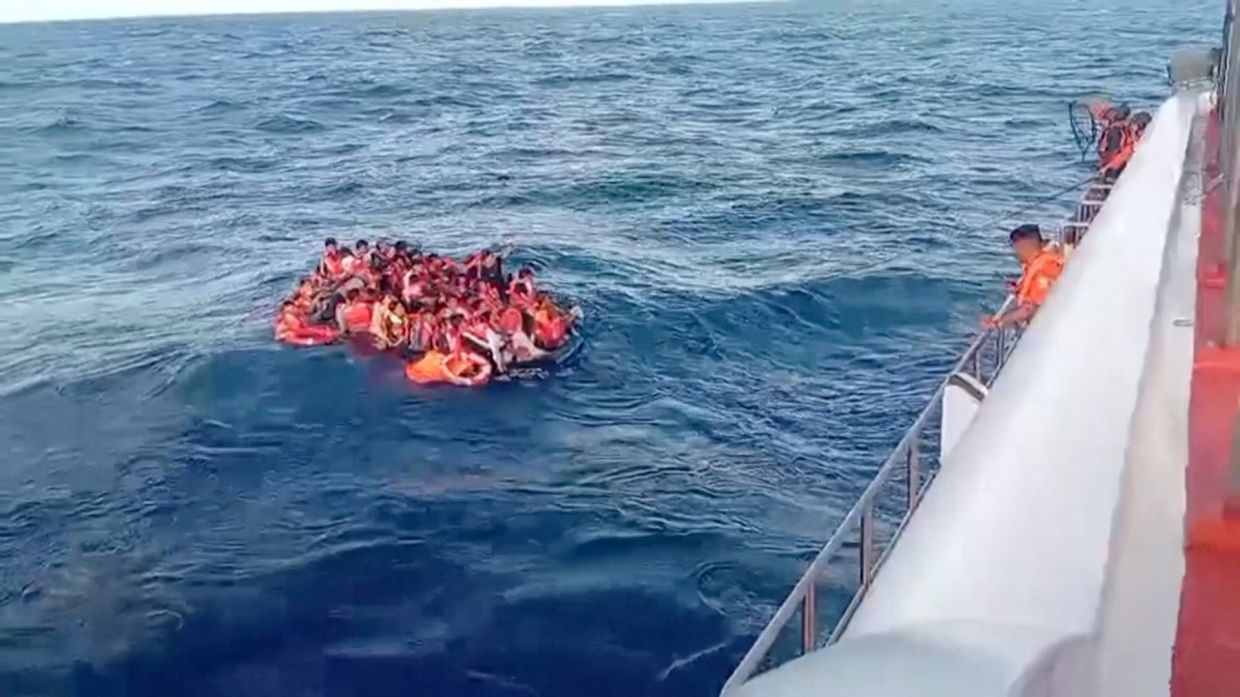
A devastating maritime incident unfolded near Bali when the passenger ferry Putri Yasmin caught fire in the early hours of Wednesday morning, though swift multi-agency intervention prevented what could have been a far greater tragedy. The blaze erupted at approximately 4:15 a.m. local time as the vessel navigated the waters between Bali and the adjacent island of Lombok, prompting an immediate coordinated emergency response that ultimately saved the lives of 211 people aboard. Indonesian authorities confirmed on Thursday that one woman had perished in the incident, marking a devastating loss amid the otherwise successful evacuation effort.
The rescue operation demonstrated the capacity of Indonesia's maritime emergency services to mobilise quickly when disaster strikes. Teams from the National Search and Rescue Agency worked in concert with the Indonesian Navy, maritime police, and several civilian vessels that happened to be in the vicinity to facilitate the rapid extraction of passengers and crew members. Rather than attempting a single point of disembarkation, authorities directed evacuees to ports in both Bali and Lombok, distributing the rescued individuals across multiple safe harbours and ensuring no single facility became overwhelmed during the crisis. Officials characterised the evacuation process as orderly and efficient, with all survivors reaching safety without further incident.
However, the incident has exposed troubling gaps in vessel documentation and passenger management that warrant closer examination. The Putri Yasmin's official manifest recorded a total of 131 individuals aboard, comprising 114 passengers and 17 crew members. Yet the dramatically higher number of people actually rescued—211 in total—reveals a discrepancy of 80 unregistered travellers who managed to board the ferry without proper documentation. This gap raises serious questions about boarding procedures, security controls, and the enforcement of maritime passenger regulations that are theoretically in place across Indonesian ports.
The investigation into the fire's origins has been entrusted to Indonesia's National Transportation Safety Committee, working alongside maritime authorities at Lembar Port on Lombok. Determining how the blaze began represents a critical first step in understanding whether the incident stemmed from mechanical failure, electrical malfunction, inadequate maintenance, or human error. The committee's findings will have implications not only for the Putri Yasmin but potentially for the broader ferry fleet operating throughout the region, as defects or design flaws discovered in this vessel could indicate systemic problems affecting other ships.
Beyond the immediate investigation, assessments of the material damage incurred during the fire remain in their preliminary stages. The Putri Yasmin itself sustained significant damage, and investigators must evaluate the extent to which the vessel can be salvaged or repaired versus requiring full decommissioning. Additionally, cargo stored aboard and vehicles being transported have suffered losses that property owners are presumably seeking to quantify for insurance and compensation claims. These financial dimensions add another layer of complexity to the incident's aftermath.
The Putri Yasmin fire underscores a persistent vulnerability across Indonesia's maritime sector, a reality that demands urgent attention given the nation's geography and economic structure. Indonesia comprises more than 17,000 islands scattered across an expanse of ocean, making ferry services not merely convenient but essential infrastructure connecting communities, enabling commerce, and linking remote regions to urban centres. Hundreds of thousands of Indonesians depend daily on ferry networks for employment, education, healthcare access, and trade.
Yet this critical reliance exists alongside a troubling pattern of maritime accidents, many proving fatal, that reflect broader structural challenges within the industry. Safety enforcement mechanisms often prove inadequate, with port authorities and regulatory bodies struggling to maintain consistent oversight across the sprawling archipelago. Vessel maintenance standards frequently slip below internationally accepted benchmarks, and crew training sometimes falls short of rigorous safety protocols. Unpredictable weather patterns characteristic of tropical and monsoon regions compound these challenges, creating conditions that demand robust safety systems to mitigate risk.
For Malaysian observers, the Putri Yasmin incident carries particular resonance. Malaysia itself relies heavily on maritime transport connecting Peninsular Malaysia, Sabah, Sarawak, and neighbouring jurisdictions. Ferry operations between Malaysia and Indonesia, particularly along commonly travelled routes, operate within a shared regional maritime environment governed by similar challenges of enforcement, maintenance, and weather variability. Incidents affecting Indonesian vessels prompt legitimate reflection on whether comparable vulnerabilities exist within Malaysian operations, and whether regional standards require harmonisation and strengthening.
The successful rescue of 211 people demonstrates that Indonesia's maritime emergency response infrastructure, when fully mobilised, can function effectively and save lives. However, the undocumented passengers aboard the Putri Yasmin highlight how informal practices and regulatory gaps can persist in plain sight. Moving forward, the incident should catalyse Indonesia's transportation authorities to strengthen passenger documentation requirements, enhance port security protocols, mandate rigorous vessel inspection and maintenance standards, and invest in crew training across the commercial ferry sector. Without such reforms, future disasters remain inevitable, and the archipelago's dependence on maritime transport will continue exposing vulnerable populations to preventable risks.

