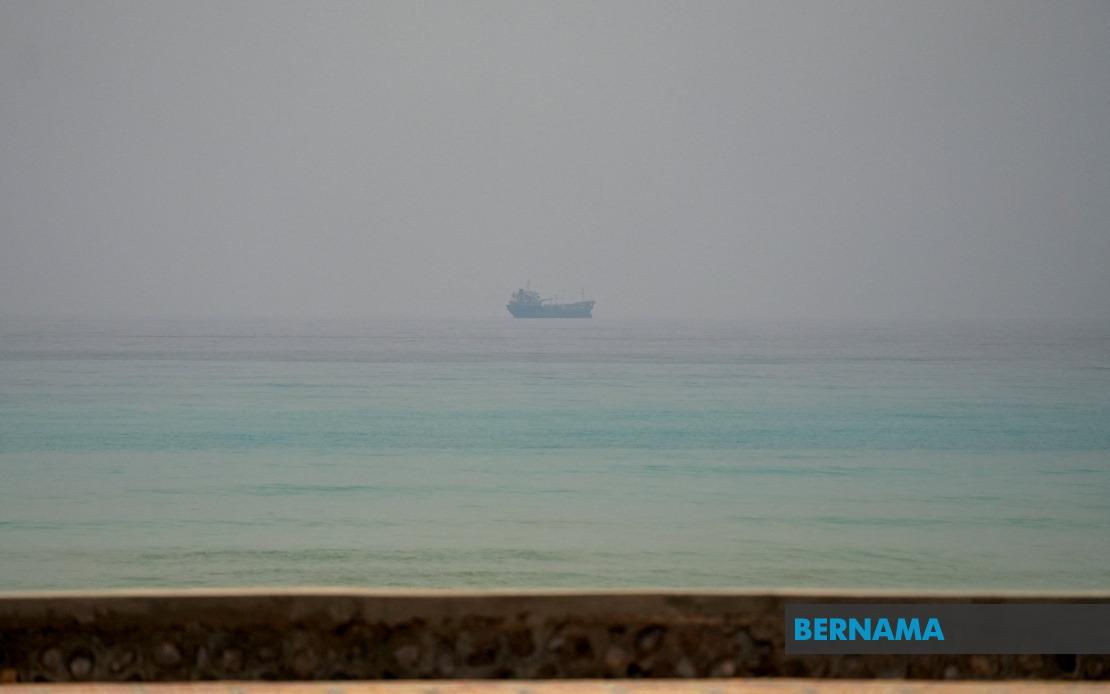
The maritime security situation in the Arabian Gulf deteriorated sharply on Tuesday when three commercial tankers came under attack in separate incidents off the Omani coastline, prompting urgent rescue operations and deepening concerns about the safety of international shipping in one of the world's most critical sea lanes. Oman's Maritime Security Centre confirmed the coordinated nature of the attacks across its territorial waters and adjacent international shipping zones, with one crew member confirmed dead and multiple others sustaining injuries of varying degrees.
The first vessel to be struck was the Stolt Magnesium, which was targeted approximately 40 nautical miles from the coast of South Al Sharqiyah Governorate, positioned well outside Omani territorial boundaries. The impact of the strike ignited a fire within the ship's engine compartment, creating an immediate hazard for the 23-person crew aboard. Swift maritime intervention by a nearby merchant vessel resulted in the complete evacuation of all personnel, who were subsequently reported to be in stable condition. This incident underscored the rapid response capabilities of commercial shipping networks operating in the region, despite the inherent dangers posed by the volatile environment.
The second attack targeted the tanker Mombasa B, which was struck just 8.5 nautical miles off the coast of Musandam Governorate in considerably closer proximity to Omani land territory. The projectile strike rendered the vessel incapable of maintaining propulsion, leaving it vulnerable and immobilized in the contested waters. A cooperative vessel responded to the emergency and successfully evacuated the entire 21-member crew, though six individuals required medical treatment for injuries sustained in the attack. Authorities from the Royal Navy of Oman established a monitoring presence to track the situation as it developed, signalling official concern about the severity of the incidents unfolding across multiple locations simultaneously.
The third and most critical incident involved the Al Bahyah, which suffered a direct strike approximately 9.6 nautical miles from Musandam Governorate. The Royal Navy of Oman deployed a naval vessel to the location in response to the attack. Eighteen crew members were successfully removed from the vessel through emergency procedures, yet three sailors remain unaccounted for and are presumed missing in what has become a complex search and rescue operation. The missing crew members represent a significant humanitarian concern that has galvanized international attention on the deteriorating security conditions affecting commercial shipping in the region.
ADNOC Logistics & Services, the maritime transport division of Abu Dhabi National Oil Company, issued a separate confirmation that two of its crude oil tankers—specifically the Al Bahyah and Mombasa B—had been deliberately targeted by projectiles while traversing the Strait of Hormuz. The company's statement provided additional details about the severity of the attacks, confirming that at least one seafarer had been killed and numerous others had been injured in the incidents. This independent verification from a major regional petroleum logistics operator lent significant weight to reports coming from Omani authorities and highlighted the direct targeting of oil industry infrastructure.
The attacks represent the latest escalation in a broader pattern of maritime violence that has characterized the Strait of Hormuz throughout 2024. The waterway, through which approximately one-third of global seaborne petroleum trade passes annually, has become increasingly contested terrain as geopolitical tensions between the United States and Iran have intensified. For Malaysian companies and traders with interests in regional petroleum trade and shipping operations, the deterioration of security conditions poses tangible risks to supply chain stability and maritime insurance costs that reverberate across Southeast Asian economies.
Oman's Foreign Ministry moved quickly to respond diplomatically, issuing a formal statement that emphasized the necessity of adhering to established international maritime law and reestablishing unimpeded freedom of navigation through the strategic waterway. The ministry's intervention signalled official Omani concern that the incidents could establish a precedent for further attacks and undermine the stability of international commercial activities in the region. Oman has historically positioned itself as a neutral mediator in regional disputes, and this public statement reflected the sultanate's worry that unchecked attacks on commercial shipping could destabilize the broader Gulf security architecture.
The incidents come at a particularly sensitive moment in regional geopolitics, as the United States and Iran have engaged in successive military operations and counter-operations centred on control and influence within the Strait of Hormuz. The frequency and precision of the attacks on Tuesday suggest sophisticated targeting capabilities and coordination, raising questions about the degree of planning and operational sophistication behind the incidents. For regional observers and international maritime authorities, the pattern of attacks indicates that the situation has evolved beyond isolated incidents into a more systematic campaign affecting commercial shipping.
The implications for Malaysian-based shipping companies and petroleum traders are substantial. Many Malaysian firms maintain commercial interests throughout the Gulf region and depend on the Strait of Hormuz for critical supply chain linkages. Elevated insurance premiums, mandatory security protocols, and the physical risks to crews create significant operational and financial pressures that ripple through Southeast Asian economies. Insurance companies operating in the region have already begun adjusting coverage terms and pricing for vessels transiting the affected areas, reflecting the changed risk profile.
The missing crew members from the Al Bahyah represent the human cost of the escalating maritime tensions. International maritime organizations and humanitarian bodies have called for sustained search and rescue efforts and for all parties involved in the regional disputes to prioritize the safety of civilian seafarers. The fact that multiple nationalities are represented among the crews affected underscores the truly international nature of maritime commerce and the universal stakes involved in restoring stable conditions for shipping.
Moving forward, the situation will likely prompt discussions within the United Nations and international maritime forums about enhanced protection mechanisms for commercial shipping in contested waters. Regional governments, including those in Southeast Asia with significant maritime trading interests, may be drawn into discussions about establishing international maritime security frameworks or contributing to multinational escort operations. The incidents also reinforce the strategic importance of the Strait of Hormuz and underscore why alternative shipping routes and diversified energy supply strategies remain critical priorities for nations dependent on Gulf petroleum resources.

