Oman has emerged as a vocal supporter of the recently concluded memorandum of understanding between the United States and Iran, underscoring its strategic significance for regional stability and maritime security. Speaking at a joint ministerial gathering convened by the Gulf Cooperation Council and the US in Bahrain on Thursday, Omani Foreign Minister Badr Albusaidi outlined his nation's position on the landmark agreement, which was formally signed by Iranian President Masoud Pezeshkian and US President Donald Trump on June 18 following electronic ratification.
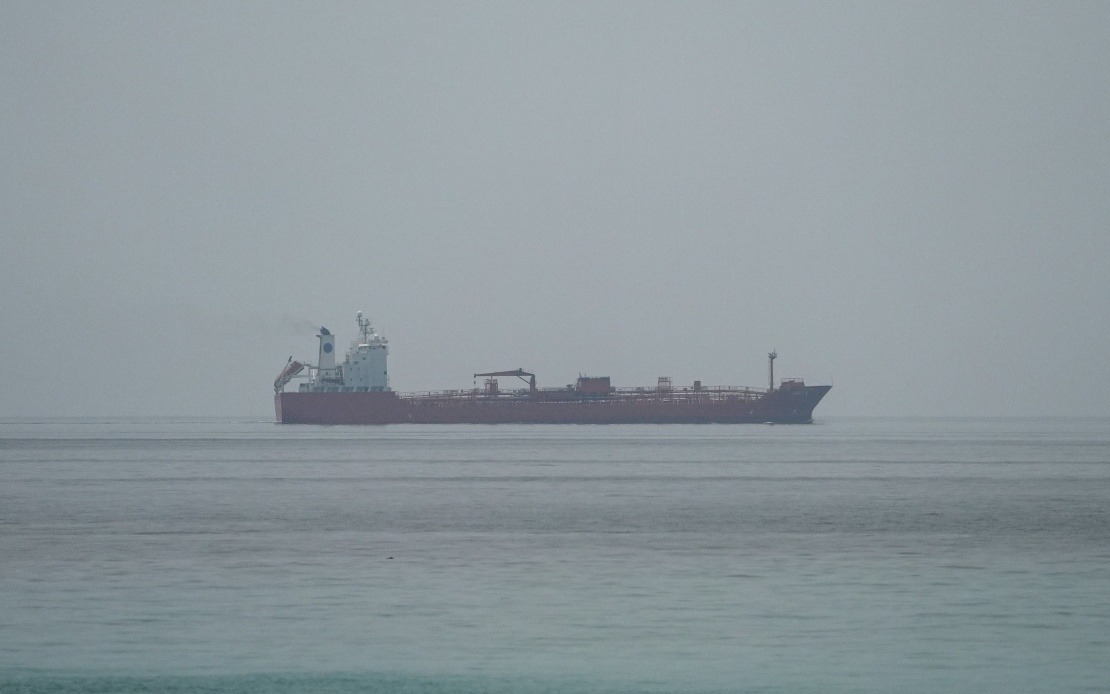
The Omani foreign minister's remarks carry particular weight given Oman's distinctive geographical position as a littoral state along the Strait of Hormuz, one of the world's most strategically vital maritime passages through which an estimated one-third of global seaborne oil and liquefied natural gas transits annually. This geographic reality has historically positioned the sultanate as an influential voice in regional diplomacy, and Albusaidi's endorsement reflects Oman's conviction that the accord represents a constructive step toward de-escalation in West Asia.
Central to Oman's support is a reassurance that future arrangements governing passage through the Strait of Hormuz will remain entirely free of charge, with no transit fees imposed on vessels regardless of origin or destination. This explicit commitment addresses longstanding anxieties among maritime traders, shipping companies, and energy-dependent nations that international tensions might eventually translate into restrictions on commerce or navigational access. By reaffirming this position at a high-level multilateral forum, Oman has effectively placed itself as guarantor of an essential principle of international maritime law and freedom of navigation.
Albusaidi framed Oman's stance within the broader framework of international legal obligations, particularly the United Nations Convention on the Law of the Sea, which enshrines principles of unobstructed maritime passage through international straits. He characterised his nation's support as flowing from a special responsibility inherent to coastal states, positioning Oman's role not merely as a participant in regional affairs but as a custodian of established international norms. This framing suggests Muscat views the Iran-US agreement as reinforcing rather than undermining established legal structures governing international waters.
The memorandum itself addresses multiple contentious issues that have defined US-Iran relations and broader West Asian dynamics in recent years. The 14-point understanding encompasses provisions for terminating hostilities across multiple theatres, restoring navigational access through the Strait of Hormuz, and dismantling the comprehensive US naval blockade that has constrained Iranian commerce and economic activity. The agreement's mediation through Pakistan adds another layer of regional complexity, with Islamabad emerging as an influential diplomatic intermediary capable of bringing these adversaries to the negotiating table.
Oman's endorsement comes in the aftermath of significant military escalations that have defined the region's trajectory throughout early 2024. In late February, coordinated US and Israeli military operations targeted Iranian positions, prompting Iranian retaliatory strikes against Israel and several regional nations hosting American military installations. These tit-for-tat exchanges have underscored the fragility of regional equilibrium and the potential for localised conflicts to spiral into broader conflagrations affecting global energy markets and maritime commerce.
The ministerial meeting in Bahrain represents routine consultation mechanisms between the GCC, which comprises Saudi Arabia, the United Arab Emirates, Qatar, Kuwait, Bahrain, and Oman, and Washington on matters spanning regional security architecture, political coordination, and economic collaboration. These dialogues have assumed heightened importance as the region navigates shifting geopolitical alignments, Iranian assertiveness, and the ongoing Israel-Palestine conflict.
For Malaysian stakeholders, Oman's stance carries direct implications. As a major importer of oil and liquefied natural gas, Malaysia depends critically on uninterrupted energy supplies transiting through the Strait of Hormuz. Any disruption to passage through this chokepoint would directly affect fuel prices, electricity generation costs, and broader economic competitiveness. Oman's explicit commitment to maintaining free transit therefore benefits Malaysian consumers and businesses regardless of political considerations.
Moreover, Malaysia's substantial maritime commerce, including containerised trade heading toward European and Middle Eastern markets, frequently traverses the Strait of Hormuz. Malaysian shipping companies, port operators, and freight forwarders all depend upon the predictability and freedom of navigation that Oman's statement reinforces. The sultanate's positioning as diplomatic bridge-builder between Iran and Western powers aligns with Malaysia's own preference for multilateral dialogue and rules-based international order.
The Iran-US agreement's success remains contingent upon sustained implementation and the absence of subsequent escalations that might undermine confidence between signatories. Oman's public backing, coupled with explicit reaffirmations regarding maritime freedom, contributes essential international legitimacy to an arrangement that regional sceptics and international observers have scrutinised closely. Should the agreement endure, the Strait of Hormuz may transition from a flashpoint of military tension toward a more stable transit corridor, benefiting regional economies and global energy security substantially.

