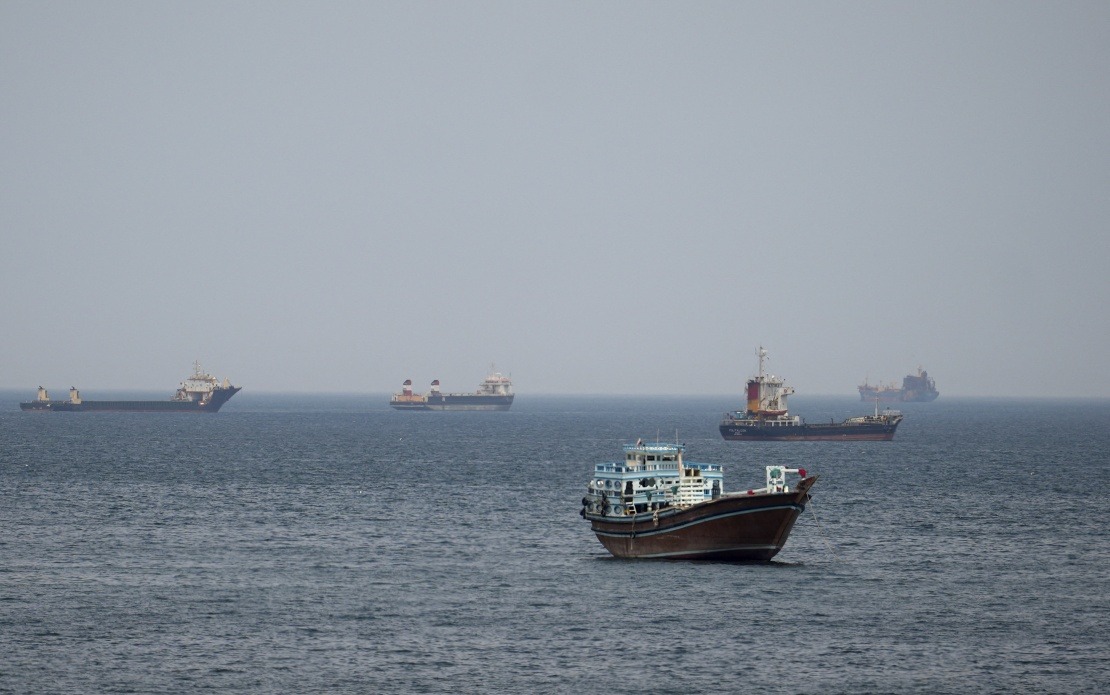
An interim agreement between the United States and Iran came into force on Thursday, marking a significant shift in Middle Eastern geopolitics as oil tankers resumed passage through the Strait of Hormuz following a four-month blockade. The deal's implementation prompted an immediate market reaction, with crude prices falling to their lowest point since February 28, when the conflict erupted. For Malaysia and other Southeast Asian economies heavily dependent on stable energy supplies and secure maritime trade routes, the reopening of this critical waterway—which facilitates roughly one-fifth of global oil commerce—offers immediate relief from supply chain disruptions that have influenced regional fuel costs and shipping expenses throughout the first half of the year.
The agreement establishes a 60-day negotiating window for both parties to hammer out the terms of a comprehensive nuclear accord, backed by a $300 billion reconstruction fund for Iran and additional financial concessions. This framework reflects a dramatic reversal from President Donald Trump's initial maximalist demands when he launched military operations in late February. At that time, Trump publicly called for Iran's unconditional surrender and sought to simultaneously dismantle its nuclear weapons capability, eliminate its regional missile arsenal, curtail support for armed groups across the Middle East, and catalyse internal regime change. The final agreement leaves all four objectives unachieved, a reality that has drawn sharp criticism from Republican allies in Congress who view the settlement as a capitulation by the administration.
Tehran's Supreme Leader Ayatollah Moitaba Khamenei responded to the accord with a mixture of defiance and pragmatism. In a written statement, he characterised Trump's willingness to sign the deal as born from desperation, and served notice that upcoming nuclear discussions would prove contentious. Khamenei explicitly warned that if Washington adopted an overly aggressive negotiating posture, Iran would reject proposed terms outright. This positioning suggests Tehran views itself as the conflict's ultimate victor—having absorbed a sustained superpower military campaign, maintained operational control of the Strait of Hormuz, and extracted valuable sanctions relief without dismantling its nuclear infrastructure. During the 60-day interim period, Iran has committed to managing strait traffic and issuing permits to vessels, though it has pledged to waive fees as a goodwill gesture.
The Trump administration, represented in forthcoming negotiations by Vice President JD Vance, intends to leverage the talks to impose strict limitations on Iran's long-range ballistic missile capabilities alongside nuclear constraints. American officials publicly maintain optimism that robust nuclear restrictions remain achievable through diplomatic channels. However, independent analysts and policy critics counter that the balance of negotiating power has shifted decisively toward Iran. Having withstood military pressure, demonstrated resilience in maintaining critical maritime chokepoints, and secured sanctions waivers during the conflict, Tehran enters negotiations from a position of relative strength—an advantage that complicates Washington's ability to extract additional concessions on missiles or other regional security concerns.
The agreement's most glaring vulnerability lies in Lebanon, where the status quo remains fundamentally unstable. While the deal explicitly mandates a permanent cessation of hostilities and guarantees Lebanon's territorial integrity and sovereignty, Israeli forces conducted fresh airstrikes on Thursday morning, signalling that one of the conflict's key combatants does not consider itself bound by the negotiated framework. More than one million Lebanese civilians have been displaced by the fighting, yet Israel has publicly rejected any withdrawal from Lebanese territory and has released maps depicting an expanded occupation zone extending deeper into the country than its previous positions. This intransigence has created an unprecedented breach between Trump and Israel, with the American president sharply criticising Israeli military operations and expressing exasperation at what he perceives as the Netanyahu government's reckless jeopardy of its sole remaining great-power ally.
Trump's public reproaches of Israeli conduct in Lebanon reflect a fundamental tension within his broader Middle Eastern strategy. Having negotiated a regional ceasefire to satisfy American domestic constituencies fatigued by military conflict, Trump now faces the immediate challenge of enforcing compliance from an allied government that views the agreement as an imposed constraint on its freedom of action. The Israeli government's refusal to participate in the negotiations and its subsequent rejection of the agreement's territorial provisions suggest that Tel Aviv has calculated it can weather American pressure while pursuing its own strategic objectives in Lebanon. For Malaysian policymakers and regional observers, this dynamic underscores the persistent uncertainty surrounding whether the accord will achieve the comprehensive regional peace that Trump has publicly championed.
The economic implications for Southeast Asia remain substantial but contingent on the agreement's durability. The Strait of Hormuz's reopening to normal tanker traffic offers immediate relief for energy-importing nations throughout the region, many of which faced elevated fuel costs and supply uncertainties during the blockade. Malaysia, as both an energy exporter and an economy deeply integrated into global shipping networks, benefits directly from the restoration of predictable transit through this strategic chokepoint. However, analysts caution that any renewed outbreak of hostilities between Israel and Hezbollah, or between the United States and Iran, could quickly reverse these gains. The fragility of the Lebanon ceasefire, combined with the ambitious nuclear negotiations ahead, leaves markets vulnerable to sudden shocks that could once again disrupt Hormuz traffic and elevate global petroleum prices.
The Trump administration's public messaging emphasises its commitment to peace and encourages all regional actors to maintain momentum through the 60-day negotiating window. Yet the administration's limited leverage over Israel, combined with Iran's demonstrated confidence and hardline domestic constituents' scepticism toward American good faith, suggests that sustaining this ceasefire will require continuous diplomatic engagement and potentially difficult compromises on all sides. Malaysian observers of Middle Eastern affairs should monitor developments in Lebanon closely, as renewed fighting in that theatre could rapidly undermine the broader agreement and reintroduce supply volatility that disproportionately affects smaller economies dependent on predictable energy access.
The broader geopolitical realignment evidenced by this agreement carries implications beyond immediate energy markets. The fact that a United States president commenced military operations on the premise of achieving comprehensive strategic objectives, then accepted a limited interim agreement leaving most goals unmet, reflects evolving constraints on American unilateral power. For regional states seeking to navigate relationships with Washington and Tehran, the agreement demonstrates that Iranian resilience and American war fatigue can shift negotiating dynamics significantly. At the same time, the persistent instability in Lebanon and Israel's apparent refusal to abide by the accord's territorial provisions illustrate the limits of even presidential-level diplomatic efforts when key stakeholders retain the capacity and will to reject negotiated outcomes. These dynamics will shape regional stability for years ahead and warrant close attention from Malaysian strategic planners evaluating long-term positioning in an increasingly multipolar Middle East.

