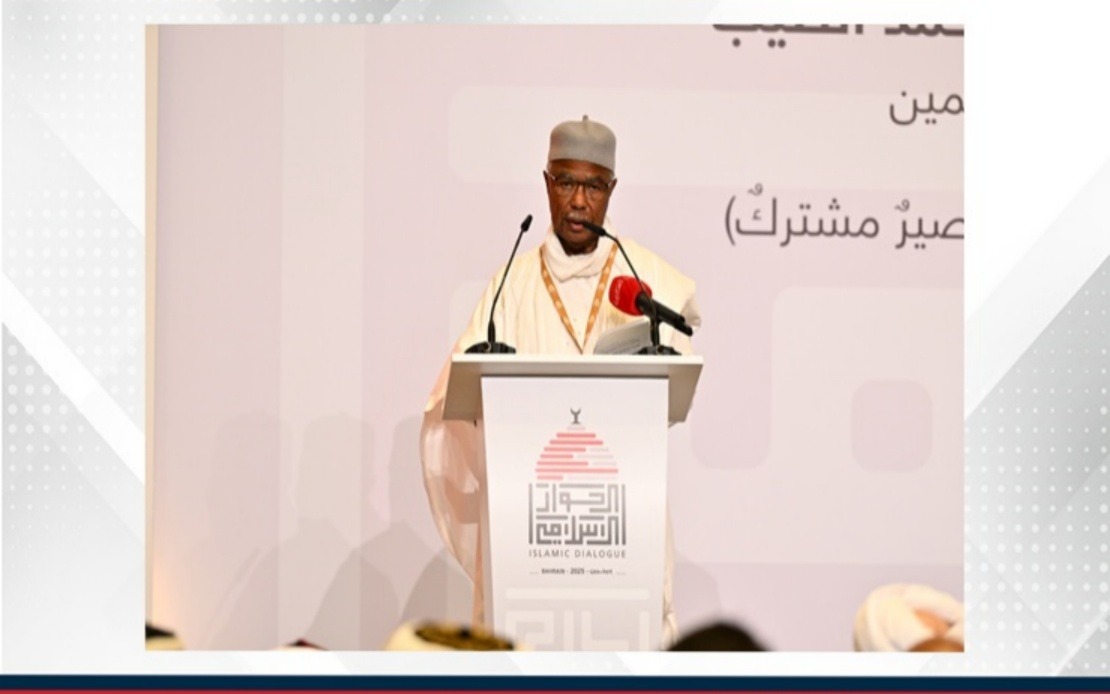
The Organisation of Islamic Cooperation has thrown its weight behind a landmark defense pact sealed by three major Muslim-majority powers, signalling diplomatic backing for what officials describe as a transformative moment in regional cooperation. On Friday, the OIC formally welcomed the Mecca Joint Defense Agreement, which was inked by Saudi Arabia, Türkiye, and Pakistan at a high-level summit convened in the holy city of Mecca. The development comes as these three nations seek to deepen their strategic alignment and establish a coordinated approach to regional security challenges that have long fragmented the Muslim world.
OIC Secretary-General Sharein Brahim Taha released a statement expressing strong appreciation for the trilateral arrangement, positioning it as an important strategic manoeuvre that reflects the commitment of all three signatories to elevate cooperation both within the Islamic world and on the international stage. The pact represents a deliberate effort by Riyadh, Ankara, and Islamabad to move beyond bilateral relationships and construct a multilateral security framework capable of addressing the complex threats facing the region. Taha characterised the agreement not merely as a ceremonial gesture, but as a fundamental pillar designed to undergird security and stability across the Muslim world at a time when sectarian tensions, proxy conflicts, and external interventions have strained regional cohesion.
The agreement was formally executed by Turkish President Recep Tayyip Erdogan, Saudi Crown Prince Mohammed bin Salman, and Pakistani Prime Minister Shehbaz Sharif during the summit held at Al-Safa Palace in Mecca. This choice of venue carries symbolic weight, situating the agreement within Islam's holiest city and lending it religious and cultural significance beyond its purely strategic dimensions. The presence of these three leaders underscores the political gravity each nation attaches to the arrangement, and their willingness to invest personal capital in its success. The summit itself represented a rare convergence of three geopolitically significant actors whose historical relationships have been marked by competition and occasional tension.
According to information disclosed by Turkish officials, the agreement functions primarily as a defence-oriented cooperation framework with no targeting of any particular country. Instead, it is framed around mutual commitments to advancing regional and global peace, prosperity, and stability through a shared security approach and burden-sharing arrangements. This language deliberately avoids the appearance of forming an alliance against any specific adversary, instead adopting the language of collective responsibility and shared interest in maintaining a rules-based regional order. The framing reflects careful diplomatic choreography aimed at minimizing perceptions that the pact constitutes a blocking coalition or a challenge to regional balance.
At its core, the Mecca agreement establishes a collective defense mechanism stipulating that any armed attack against one signatory shall be regarded as an attack against all three. This clause mirrors classical alliance language found in structures like NATO, creating a mutual deterrence posture intended to raise the costs of aggression against any member state. For Pakistan, this arrangement offers potential strategic assurance given its long history of security concerns along its borders. For Saudi Arabia, it represents a pathway to diversify its security partnerships beyond its traditional reliance on Western powers. For Türkiye, it reinforces its positioning as a bridge between Europe and the Islamic world while strengthening its influence in Asia.
The agreement's emphasis on collective deterrence addresses a persistent vulnerability that has plagued the Muslim world: the inability of major Islamic states to present a unified front on security matters. Historically, rivalries rooted in sectarian differences, geopolitical competition, and divergent foreign policy orientations have prevented the formation of robust multilateral security arrangements among Muslim-majority nations. This pact potentially signals a shift toward pragmatic cooperation based on shared interests rather than ideological alignment, though its ultimate effectiveness will depend on how well these three nations navigate their other bilateral disputes and competing regional ambitions.
Taha's characterization of the agreement as historic reflects the OIC's assessment that this represents a meaningful turning point in regional diplomacy. For an organization representing 57 member states with diverse interests and often conflicting priorities, endorsement of a major initiative by three of its most influential members carries institutional weight. The OIC's backing suggests that many Muslim-majority nations view the pact as a positive development, even if individual states harbour concerns about specific regional rivalries or geopolitical alignments. This support provides the signatories with a degree of legitimacy within the broader Islamic world.
For Southeast Asian observers, including Malaysian readers, the agreement carries implications worth noting. The pact reinforces Turkey's regional activism and its efforts to position itself as a key player in Islamic diplomacy beyond its immediate neighbourhood. Pakistan's inclusion reflects its importance as a major military power and its strategic location bridging South and Central Asia. Saudi Arabia's participation underscores Riyadh's continued focus on shaping regional dynamics beyond the Middle East. These dynamics could eventually influence regional security architectures and partnerships in Southeast Asia, where several nations are competing for influence and seeking to balance their relationships among major powers.
The agreement's success will ultimately hinge on whether the three nations can translate formal commitments into coordinated action on actual security crises. Past attempts at multi-nation defence agreements among Muslim states have sometimes faltered when concrete challenges emerged and competing national interests took precedence. The depth of cooperation envisaged—whether limited to intelligence sharing and military coordination, or extending to joint operations and unified diplomacy—remains to be clarified. Additionally, the pact's relationship to existing bilateral agreements and partnerships that each nation maintains with external powers will require careful management.
OIC Secretary-General Taha expressed hope that the agreement would contribute meaningfully to achieving enduring peace and prosperity throughout the region and the wider international community. This aspiration reflects the organization's fundamental mission of promoting cooperation among member states while advancing their collective interests on the global stage. Whether the Mecca agreement ultimately fulfills these ambitious goals will depend on sustained political will from the three signatories and their ability to navigate the complex regional landscape where multiple state and non-state actors pursue overlapping and sometimes contradictory objectives. The pact nonetheless represents a noteworthy effort by three of Islam's most influential nations to invest in multilateral security cooperation at a critical moment in regional history.

