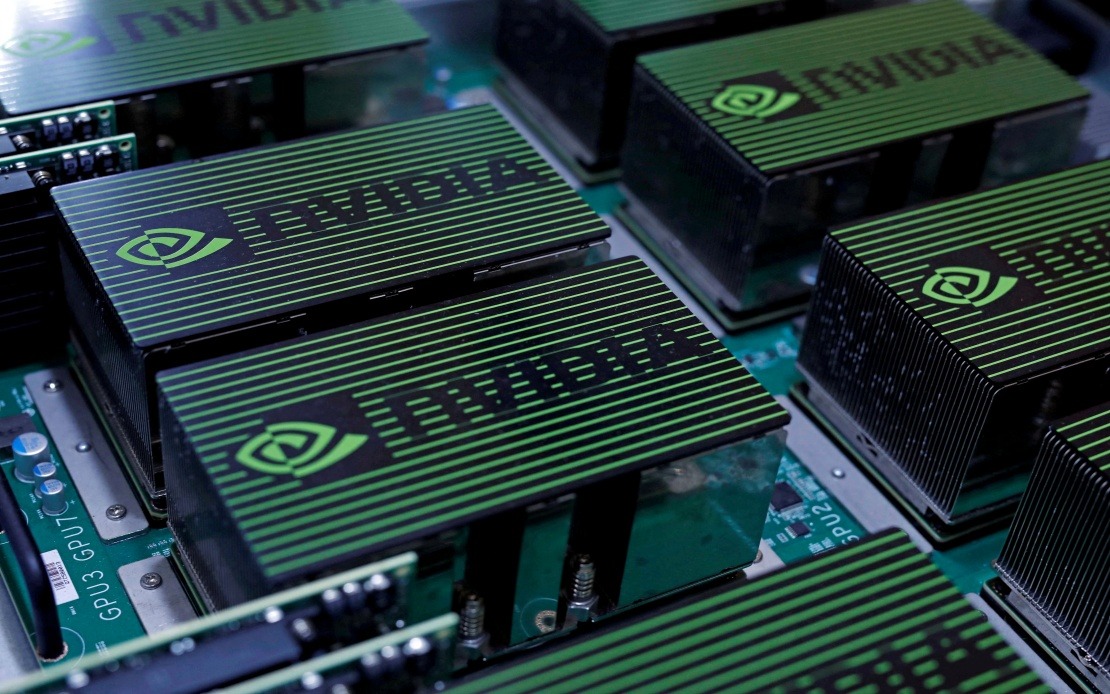
Nvidia, the American technology giant that dominates the artificial intelligence chip market, has substantially reduced its roster of approved Asian buyers for cutting-edge AI processors, according to reports emerging this week. The semiconductor manufacturer has more than halved the number of customers permitted to acquire its most advanced chips across Asia, a significant tightening of access that reflects growing concerns in Washington about how powerful computing technology might reach restricted destinations.
The restrictions have been implemented through revised customer screening protocols now in force across three critical technology hubs in the region: Singapore, Malaysia, and Japan. These three jurisdictions have become focal points for Nvidia's compliance efforts, suggesting that supply chain vulnerabilities in Southeast Asia and East Asia have drawn particular attention from both the company and US regulators. The enhanced vetting procedures represent a substantial departure from previous practices, signalling a marked shift toward stricter gatekeeping of semiconductor access.
Under the new approval framework, more than half of companies that previously qualified to purchase Nvidia's advanced chips no longer appear on the updated authorisation list. However, the semiconductor manufacturer has indicated that affected businesses are not permanently barred. Instead, companies that lost their purchasing privileges have been given pathways to address whatever concerns prompted their removal and to resubmit applications for approval. This approach suggests that Nvidia is seeking to balance security objectives with maintaining business relationships, allowing companies to remedy any compliance shortcomings.
Among the hardest hit by these restrictions are so-called neocloud providers—a category of specialised cloud computing platforms that have emerged to serve the rapidly growing artificial intelligence training industry. These companies offer infrastructure specifically designed to help organisations build and refine AI systems, representing a critical segment of the emerging AI economy. The fact that many of these providers have been excluded from Nvidia's customer list indicates that regulators view cloud infrastructure companies as particularly susceptible to being used as conduits for sensitive technology transfer.
The underlying motivation for Nvidia's customer restrictions stems from broader US policy objectives regarding technology containment. American officials have grown increasingly concerned about sophisticated methods being employed to circumvent existing restrictions on AI chip exports to China. Even as the US maintains formal export controls, evidence has emerged that advanced semiconductors are reaching Chinese entities through indirect channels—sometimes via third-country distributors or intermediaries operating in more permissive regulatory environments. The new Nvidia restrictions represent an attempt to close these loopholes by controlling access at the source, ensuring that chips destined for restricted end-users cannot easily be redirected through Asian supply chains.
For Malaysia specifically, the tightening of Nvidia's customer screening procedures carries particular significance. As a major technology hub with substantial cloud computing infrastructure and a growing AI industry ecosystem, Malaysia has become an important node in regional semiconductor supply networks. The country's position as a bridge between global technology companies and Southeast Asian markets means that restrictions on which Malaysian companies can access Nvidia chips will have ripple effects throughout the region's emerging AI sector. Local technology firms and cloud service providers that previously enjoyed reliable access to these critical components now face uncertainty about their ability to source the processors essential for AI development projects.
The implications extend beyond individual companies to the broader competitiveness of Asian technology sectors. Nations across Southeast Asia and East Asia have made substantial investments in developing artificial intelligence capabilities as part of long-term economic strategies. Restrictions on access to the world's most powerful and efficient AI chips could slow the development of local AI industries, disadvantage regional startups competing against better-resourced international rivals, and potentially drive some advanced computing workloads to jurisdictions with fewer restrictions. This dynamic creates a challenging environment for policymakers attempting to foster innovation while respecting security partnerships with the United States.
Nvidia's position in these restrictions highlights the practical power wielded by private technology companies in implementing US foreign policy objectives. As the dominant supplier of chips used for AI training and deployment, Nvidia serves as a crucial enforcement mechanism for American technology control policies. The company's decisions about which customers qualify for chip purchases become, in effect, informal sanctions that extend US regulatory reach into foreign markets. This arrangement grants significant responsibility to Nvidia for making geopolitical judgments about which companies and countries should have access to essential computing infrastructure.
The broader context involves escalating technological competition between the United States and China, with artificial intelligence recognised as a domain where dominance could confer substantial strategic advantages. Previous restrictions announced by the US Department of Commerce sought to prevent the sale of Nvidia's most advanced chips to China, but enforcement proved challenging given the complexity of global semiconductor supply chains and the difficulty of preventing unauthorised resale. The latest round of restrictions, implemented at the company level rather than purely through government mandates, suggests a shift toward more distributed enforcement mechanisms that engage private companies as partners in achieving policy objectives.
Regional governments in Asia face difficult navigation challenges as these restrictions take effect. Balancing relationships with the United States—a crucial security partner and technology source—against the desires of domestic technology companies to access the best available tools requires careful diplomacy. Some governments may attempt to negotiate exemptions or carve-outs for specific domestic companies or use cases, though success in such efforts remains uncertain. The restrictions also create opportunities for alternative chip suppliers, including those from China, to expand their market presence among customers unable to access Nvidia products, potentially accelerating the fragmentation of global semiconductor supply chains.
Longer term, these developments underscore the weaponisation of semiconductor supply chains in great power competition. Both the United States and China have recognised that controlling access to advanced chips provides strategic leverage across multiple domains—military, economic, and technological. For smaller nations and companies in the region, this reality creates a precarious situation where they become subject to restrictions and geopolitical pressures largely beyond their control. The Nvidia restrictions affecting Malaysian and other Asian customers represent just one manifestation of this broader trend toward using technology access as a tool of statecraft.

