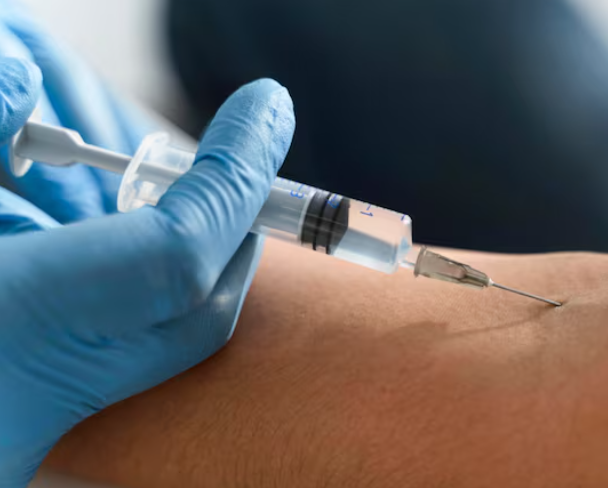
A 32-year-old nurse employed at a private hospital in Nizamabad district, Telangana, has been apprehended by police in connection with the death of her husband, whom she allegedly killed by introducing toilet cleaning liquid mixed with crushed sedatives into his intravenous line. The victim, Dayini Prashanth, 35, died on June 30 following the injection administered through a cannula while he was receiving medical care at home. The accused, identified as Sandhya, is now in custody facing murder charges following an investigation initiated after the victim's mother expressed suspicion about the circumstances of his death.
According to police findings, the motive behind the alleged crime centred on Sandhya's desire to maintain an extramarital relationship with a man named Anil, also 35 years old. When Prashanth returned to India on June 27 after working in the Gulf region for two years and decided not to return abroad, Sandhya viewed his permanent presence at home as a significant obstacle to her affair. Rather than ending her marriage through legal channels, she allegedly devised a plan with Anil and his associate Venkat Sai, commonly known as Bunty, to eliminate her husband and free herself from the marriage.
The conspiracy began to unfold on June 29 when Sai visited the couple's residence and deliberately served Prashanth large quantities of alcohol to incapacitate him. Once the victim was intoxicated, Sai allegedly escorted him to the building's terrace and pushed him off the structure at Sandhya's instruction, delivered through telephone directions. The initial murder attempt, however, failed to achieve its intended outcome—Prashanth survived the fall, though he sustained severe injuries in the process. Demonstrating calculated deception, Sandhya convinced her injured husband that his fall was merely an accident resulting from his drunken state, a narrative he apparently accepted.
Following the failed rooftop incident, Prashanth received treatment first at a government hospital and subsequently at a private medical facility before being discharged to home care. It was at this juncture that Sandhya, leveraging her professional background as a trained nurse, implemented what would prove to be a fatal plan. She arranged for intravenous fluid administration at home, exploiting her medical knowledge and access to sterile equipment. On June 30, she injected a lethal combination of toilet cleaning liquid and powdered sleeping medication directly into her husband's IV line through the cannula.
To compound the harm and ensure her victim could not survive even if the injection failed to prove immediately fatal, Sandhya physically pushed Prashanth from his bed following the injection. This combination of the toxic substance and the additional physical trauma proved successful where the rooftop attack had failed. In the aftermath of his death, Sandhya attempted to establish a narrative of natural decline, attributing Prashanth's demise to complications arising from his earlier fall from the terrace rather than to her deliberate actions.
The unravelling of Sandhya's carefully constructed cover story came through the persistence and maternal instinct of Prashanth's mother, who maintained a separate residence from the couple. Troubled by inconsistencies in the account of her son's death and suspicious of the rapid deterioration in his condition following his discharge from hospital, she filed a formal complaint with police authorities. This complaint prompted a thorough investigation that ultimately exposed the conspiracy and led to charges being filed against Sandhya, Anil, and Sai for their respective roles in the crime.
The case reveals the dangers inherent in situations where medical knowledge intersects with criminal intent, a concern that has prompted healthcare authorities across India to review security protocols around intravenous administration and medication access. Sandhya's ability to exploit her professional credentials and the trust typically extended to medical personnel highlights vulnerabilities in home-based care arrangements. The incident also underscores how domestic crises—in this case, marital discord exacerbated by infidelity—can escalate to lethal violence when individuals prioritise their personal desires over human life.
For Malaysian readers, the case carries relevance given the significant number of Indian workers and professionals employed in the country's healthcare sector, as well as the broader regional context of crimes of passion spanning South and Southeast Asia. The sophisticated nature of the alleged crime, employing medical knowledge and planning across multiple failed attempts, distinguishes it from spontaneous domestic violence and suggests premeditated calculation. The role of accomplices in facilitating both the initial murder attempt and the final lethal injection also points to broader conspiracy rather than isolated personal tragedy.
Police investigators have indicated that interrogations of the accused revealed the sequence of events and the motivations driving the alleged murderers. The case demonstrates how surveillance and investigation techniques, combined with family members' vigilance, can eventually expose even carefully planned crimes. For the broader Indian and Southeast Asian medical community, the incident raises important questions about professional ethics, the vetting of healthcare personnel, and the safeguards necessary to prevent the misuse of medical access and knowledge for criminal purposes.

