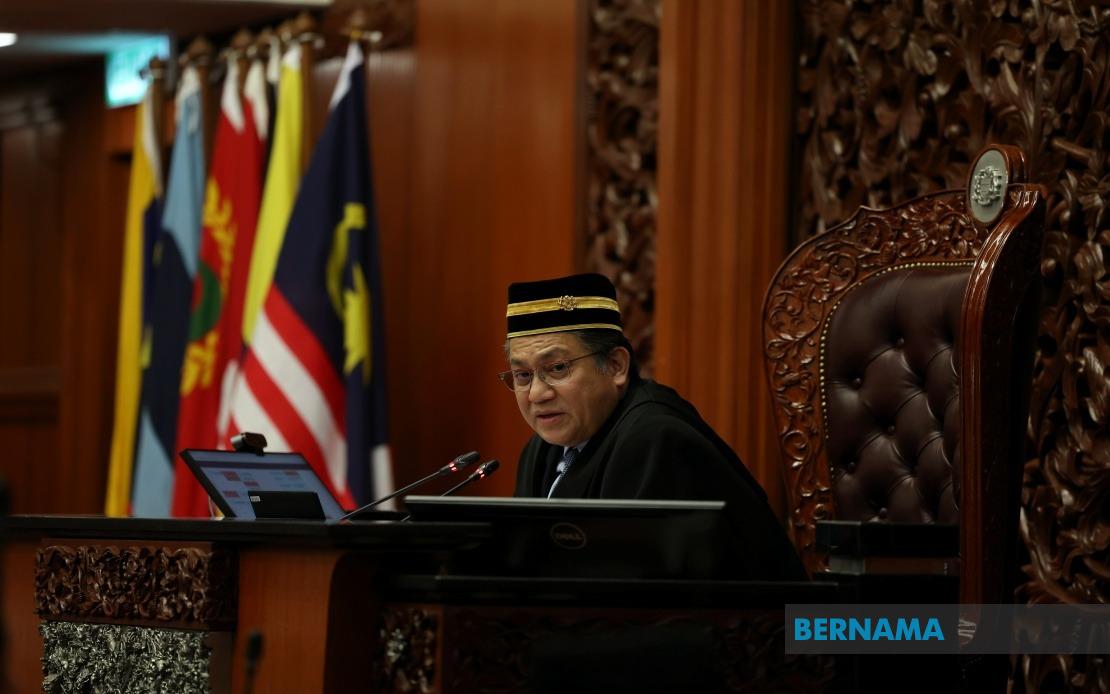
Senator Datuk Nur Jazlan Mohamed has secured reappointment as Deputy Speaker of the Dewan Negara for a second consecutive term, cementing his position as a significant figure in Malaysia's upper house of Parliament. The sole nomination was formally presented by Higher Education Minister Datuk Seri Zambry Abd Kadir on behalf of Prime Minister Datuk Seri Anwar Ibrahim during proceedings at the Dewan Negara today, with both lawmakers subsequently sworn in before Speaker Datuk Awang Bemee Awang Ali Basah.
Nur Jazlan's reappointment by His Majesty the Yang di-Pertuan Agong grants him a three-year mandate commencing June 15 2026 through June 14 2029. His continuation in this leadership role reflects confidence in his stewardship of parliamentary procedures within the Senate, where he has already served as Deputy Speaker since June 2023. The 60-year-old politician brings substantial legislative experience accumulated over two decades, having previously served as Member of Parliament for Pulai from 2004 until 2018, before transitioning to the appointed chamber.
Beyond his parliamentary responsibilities, Nur Jazlan maintains influential positions within UMNO's internal structures. He sits on the party's Supreme Council and leads the Pulai Division, indicating his continued relevance within Malaysia's dominant coalition party. His previous tenure as Deputy Home Minister from 2015 to 2018 provided him with executive branch exposure, offering insight into government operations that proves valuable when scrutinising legislative matters affecting national security and public order.
The reappointment ceremony also saw the swearing-in of Senator Mussodak Ahmad for his second term as an appointed member representing the Kedah State Legislative Assembly. Mussodak's three-year tenure extends from March 20 2026 to March 19 2029, maintaining continuity in Kedah's upper house representation. As secretary of Kedah PAS, Mussodak represents the Islamic party's interests within the Senate and has previously contested state elections for Bayu and Guar Chempedak constituencies, demonstrating grassroots political engagement beyond his appointed role.
Mussodak's first appointment to the Senate occurred in March 2023, marking a relatively recent entry into the upper chamber. His continuation reflects the coalition government's desire to maintain representation from state-level party structures, particularly from Kedah where PAS maintains significant political influence. The staggered reappointment of senators ensures consistent parliamentary operations while allowing periodic evaluation of individual performance and coalition dynamics within the chamber.
The Dewan Negara itself remains a critical though often understated component of Malaysia's bicameral legislature. Unlike the Dewan Rakyat, which comprises elected members, the upper house comprises appointed senators drawn from various constituencies including state assemblies, special interests, and vice-regal nominees. This composition ensures that diverse stakeholder perspectives reach Parliament, though it simultaneously raises ongoing debates about democratic legitimacy and whether appointed chambers adequately represent Malaysian citizenry.
The timing of these reappointments arrives as the parliamentary calendar indicates an extended Senate sitting spanning ten working days from July 20 through August 4. This Second Meeting of the Fifth Term under the 15th Parliament constitutes a substantive legislative window permitting thorough debate on government measures, budget allocations, and policy initiatives requiring upper house scrutiny. The Deputy Speaker functions as a critical procedural officer, managing debate protocols and ensuring orderly conduct during proceedings that often address complex constitutional and legislative matters.
Nur Jazlan's reappointment holds particular significance for UMNO, which has sought to maintain parliamentary influence following its return to coalition governance after the 2022 elections. His prominent placement within Senate leadership demonstrates the party's continued capacity to secure key institutional positions despite electoral fluctuations. This institutional anchoring provides UMNO with procedural leverage and public platforms from which to articulate party positions on major policy questions.
The broader context of these appointments reflects Malaysia's contemporary political architecture, wherein coalition stability depends substantially on equitable distribution of parliamentary leadership roles among coalition partners. The involvement of both UMNO-aligned figures and PAS representatives in recent Senate appointments illustrates the ongoing negotiation required to maintain the Perikatan Nasional coalition supporting the current administration. Leadership positions within Parliament serve as tangible rewards recognising party contributions to coalition maintenance.
For Malaysian observers, Nur Jazlan's extended tenure as Deputy Speaker ensures continuity in upper house management during a period of substantial domestic policy development. His legislative experience and party standing position him to influence how the Senate addresses emerging issues from economic policy through constitutional matters. Similarly, Mussodak's reappointment reinforces regional representation patterns that attempt to balance federal-state relationships within Malaysia's federal system.
The appointments also merit consideration within broader Southeast Asian parliamentary contexts. Malaysia's Senate represents a particular model of appointed upper chamber functioning within a broader democratic framework, a structure shared with variations across several regional democracies. The mechanisms through which Nur Jazlan and Mussodak secured reappointment—nomination through executive channels and formal ratification through established protocols—reflect institutional norms that have generally functioned effectively in Malaysian parliamentary operations.

