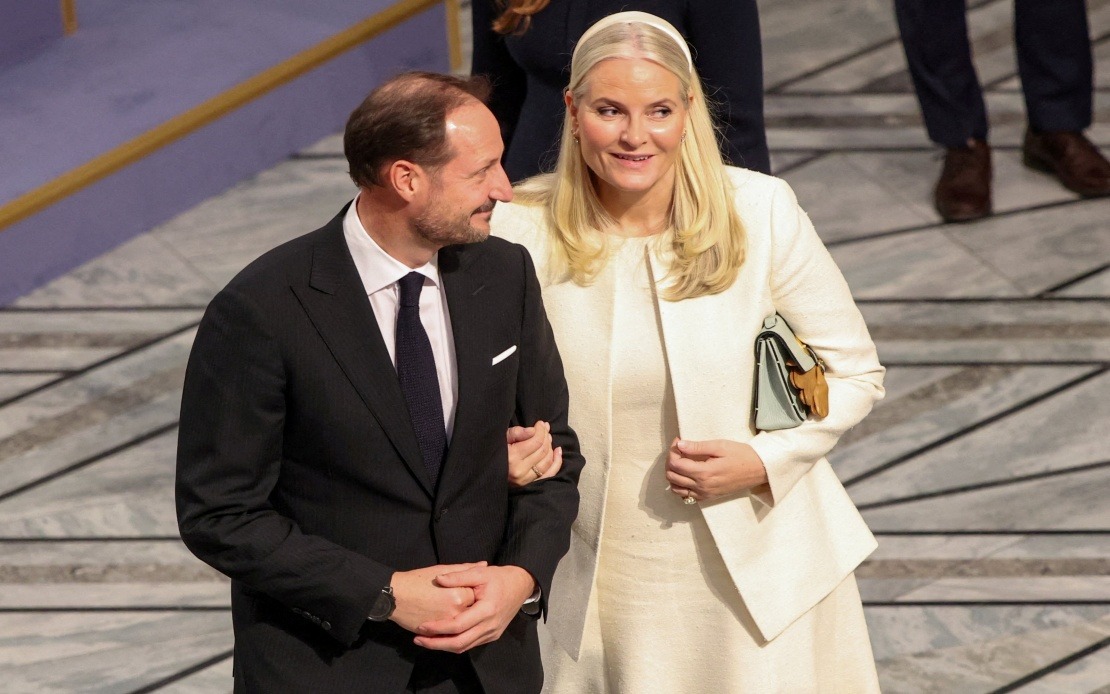
Crown Princess Mette-Marit of Norway has successfully completed a lung transplant operation following a prolonged health struggle with pulmonary fibrosis, the Norwegian royal family confirmed this week. The 52-year-old wife of Crown Prince Haakon underwent the procedure after spending several weeks on the organ waiting list, marking a significant moment in her medical journey and that of her country's transplant programme.
Pulmonary fibrosis, the condition that necessitated Mette-Marit's transplant, is an incurable lung disease characterized by progressive scarring of lung tissue. This fibrosis steadily worsens respiratory function, making ordinary breathing increasingly difficult over time. The deterioration has been substantial enough that the Crown Princess required continuous oxygen support during her daily activities, underscoring the severity of her condition before the operation.
The Norwegian royal household announced the transplant waiting list placement on June 5, signalling that medical professionals had determined Mette-Marit's health had declined sufficiently to warrant inclusion on the priority list. Physicians who evaluate transplant candidates typically place patients on such lists when their projected life expectancy without intervention falls to approximately one year or less. This assessment ensures that organs are allocated to those facing the most imminent risk.
One notable consequence of the Crown Princess's public health disclosure has been a measurable surge in organ donor registration across Norway. Following the announcement of her transplant candidacy, the Organ Donation Foundation reported a dramatic increase in citizens coming forward to register as potential donors. This phenomenon reflects how royal health challenges can mobilize public awareness and action around critical healthcare issues that might otherwise remain peripheral to broader societal consciousness.
For Malaysia and other Southeast Asian nations, the Norwegian case illustrates several healthcare governance considerations. Many countries in this region struggle with chronic organ shortages and lengthy transplant waiting lists. Understanding how transparent royal communications about medical needs can galvanize public participation in donation programmes offers potential policy insights for health ministries seeking to expand their donor pools.
Pulmonary fibrosis, while relatively uncommon, affects people across all demographics and socioeconomic strata. The disease has no cure, only management strategies aimed at slowing its progression. Transplantation represents the only definitive treatment option, though it introduces its own set of medical complexities including lifelong immunosuppression and the possibility of rejection. The success of Mette-Marit's operation signals advances in transplant medicine and postoperative care protocols.
The timeline from announcement to successful transplant—roughly two weeks—represents relatively expedited access to an organ, reflecting both the urgency of her condition and possibly the advantages of advanced healthcare infrastructure available in Nordic countries. Norway's healthcare system ranks among Europe's most comprehensive, with well-developed transplant infrastructure and coordinated organ procurement networks.
Mette-Marit's transplant carries broader implications for public understanding of organ transplantation in Scandinavia and beyond. Royal involvement in health advocacy typically increases media coverage and public discussion, potentially reducing stigma and misconceptions surrounding procedures like organ transplantation. In societies where cultural or religious reservations about organ donation persist, such high-profile medical cases can gradually shift attitudes.
The international organ transplant community views successful transplants among high-profile patients as validation of established protocols and surgical techniques. When a major public figure's operation succeeds, it reinforces public confidence in transplant programmes generally. Conversely, complications in such cases can generate unwarranted skepticism about transplant safety more broadly, making successful outcomes particularly valuable for programme credibility.
Moving forward, Mette-Marit's recovery trajectory will be closely monitored by medical professionals and followed with interest internationally. Post-transplant life involves careful management of immunosuppressive medications, regular monitoring for rejection, and lifestyle adjustments. Her continued public engagement, if circumstances permit, will likely continue raising awareness about organ donation and transplantation among Norwegian citizens and international observers alike.