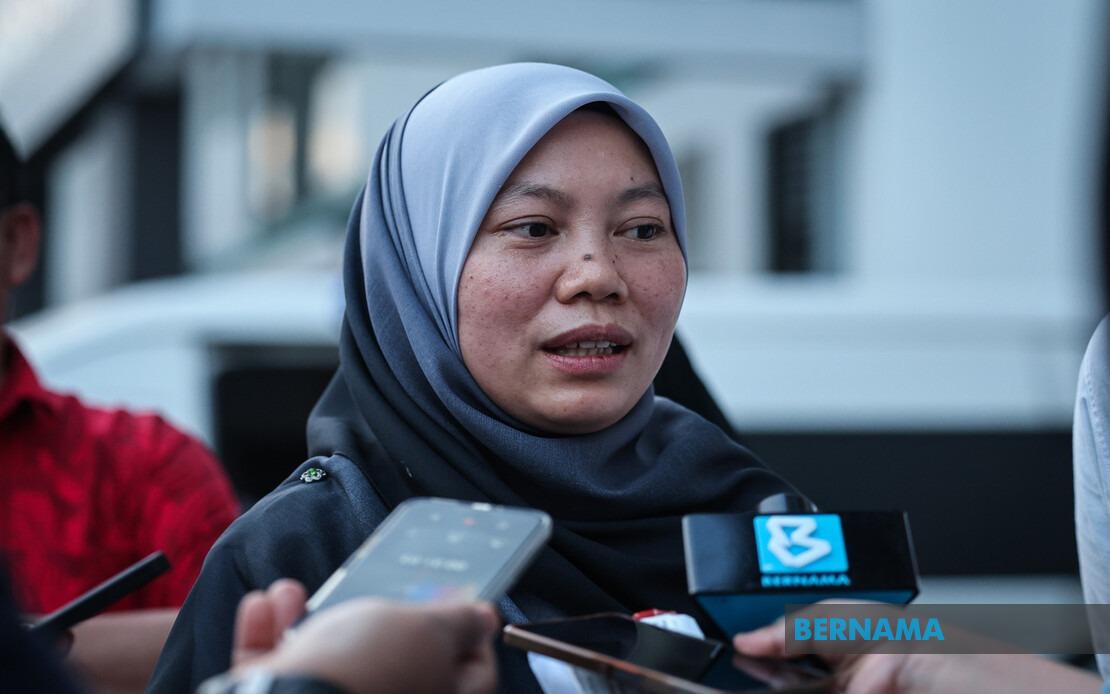
As the 16th Johor state election enters its final stretch, Pakatan Harapan's candidate for the Tiram seat, Nor Zulaila Abd Ghani, is buoyed by what she describes as overwhelmingly positive reception from constituents during her campaign trail. Speaking in Pasir Gudang after a community engagement session with Entrepreneur Development and Cooperatives Minister Steven Sim Chee Keong, Zulaila expressed confidence that grassroots backing would translate into electoral success when Johor voters head to the polls on July 11.
The response Zulaila has encountered during her door-to-door visits and neighbourhood events has far exceeded initial expectations, she said, reinforcing her belief that Pakatan Harapan's message resonates with ordinary Johor residents. While acknowledging that some critical voices have surfaced online, she characterised such negativity as marginal and confined largely to social media platforms like Facebook, rather than manifesting as tangible hostility during physical campaigning efforts. This distinction is significant for understanding the campaign's actual momentum on the ground versus the noise generated in digital spaces.
Zulaila's strategic approach to the election reflects a calculated effort to connect with younger voters, a demographic that has historically shown ambivalence towards formal political engagement. Rather than relying on traditional rallies and speeches, she has deliberately positioned herself within recreational and sports contexts that appeal to youth interests. Her participation in sepak takraw tournaments, futsal matches, and snooker games with community members creates informal touchpoints where political messaging can occur organically, without the formality that often alienates younger voters from electoral processes.
This methodology carries particular relevance for Malaysia's broader political landscape, where youth engagement remains a persistent challenge for all parties. Elections are ultimately decided by voter turnout, and Zulaila has recognised that many young Malaysians, despite their eligibility, view the political system with scepticism or indifference. By embedding herself within their leisure activities, she seeks to remind this cohort that electoral participation remains a civic responsibility regardless of their current attitudes toward politics. Her message—that government policies affecting daily life are determined through voting—represents an attempt to reframe electoral involvement as pragmatic self-interest rather than partisan loyalty.
The candidate's campaign has not proceeded without incident. Zulaila expressed frustration over the recent vandalisation of her campaign billboard, an act she characterised as contrary to the spirit of healthy democratic competition. Her public appeal for the remaining campaign period to be conducted with maturity and restraint by all contesting parties reflects broader anxieties about maintaining civility in Malaysian politics, particularly at the state level where competition can become intensely personal and localized. Negative campaigning tactics, whether through billboard defacement or social media attacks, risk undermining public confidence in the electoral process itself.
The Tiram constituency represents one of sixteen contested seats in this Johor state election, making it part of a larger political recalibration within the state. Johor, historically a stronghold for Barisan Nasional, has become increasingly competitive following the 2018 federal election results and subsequent political realignments. Pakatan Harapan's performance in the state will signal whether opposition parties have successfully consolidated voter support in what remains a crucial battleground for Malaysian politics. Individual candidate campaigns like Zulaila's contribute to this broader narrative of shifting political preferences.
The election calendar also reflects the compressed timeframe for voter engagement. With early voting scheduled for July 7 and general polling on July 11, candidates have limited opportunity to consolidate support or respond to emerging campaign developments. This compressed schedule places a premium on grassroots mobilisation efforts, where consistent community presence proves more effective than last-minute messaging. Zulaila's emphasis on long-term engagement with constituents through recreational activities positions her campaign to benefit from whatever momentum she has already established.
Zulaila's optimism must be tempered against the historical backdrop of Johor politics, where incumbents and established political forces retain significant structural advantages. Seat demographics, voter registration patterns, and the effectiveness of ground machinery all influence electoral outcomes in ways that candidate enthusiasm cannot entirely overcome. Nevertheless, her reported positive reception suggests that Pakatan Harapan has made inroads in Tiram, whether sufficient to secure victory remains to be determined by actual ballots cast.
The contrast between online criticism and ground-level warmth that Zulaila has observed encapsulates a wider phenomenon in contemporary Malaysian politics, where digital discourse often diverges sharply from community interactions. Social media amplifies polarising voices and negative sentiment, potentially creating a distorted impression of public opinion. Her observation that real provocation remains limited despite online disparagement suggests that many voters, even those inclined to criticise opposition parties, engage respectfully during face-to-face encounters. This gap between virtual and physical political spaces merits closer attention as Malaysia navigates increasingly fragmented media environments.
The minister's participation in the Tiram campaign event also signals federal-level Pakatan Harapan commitment to the state contest, suggesting that party leadership views the Johor results as consequential for national political positioning. State elections, while ostensibly local affairs, carry implications for federal coalition dynamics and parliamentary calculations. Zulaila's campaign thus extends beyond determining Tiram's state representative to influencing Johor's overall political complexion, which in turn affects national parliamentary arithmetic and future government formation possibilities.

