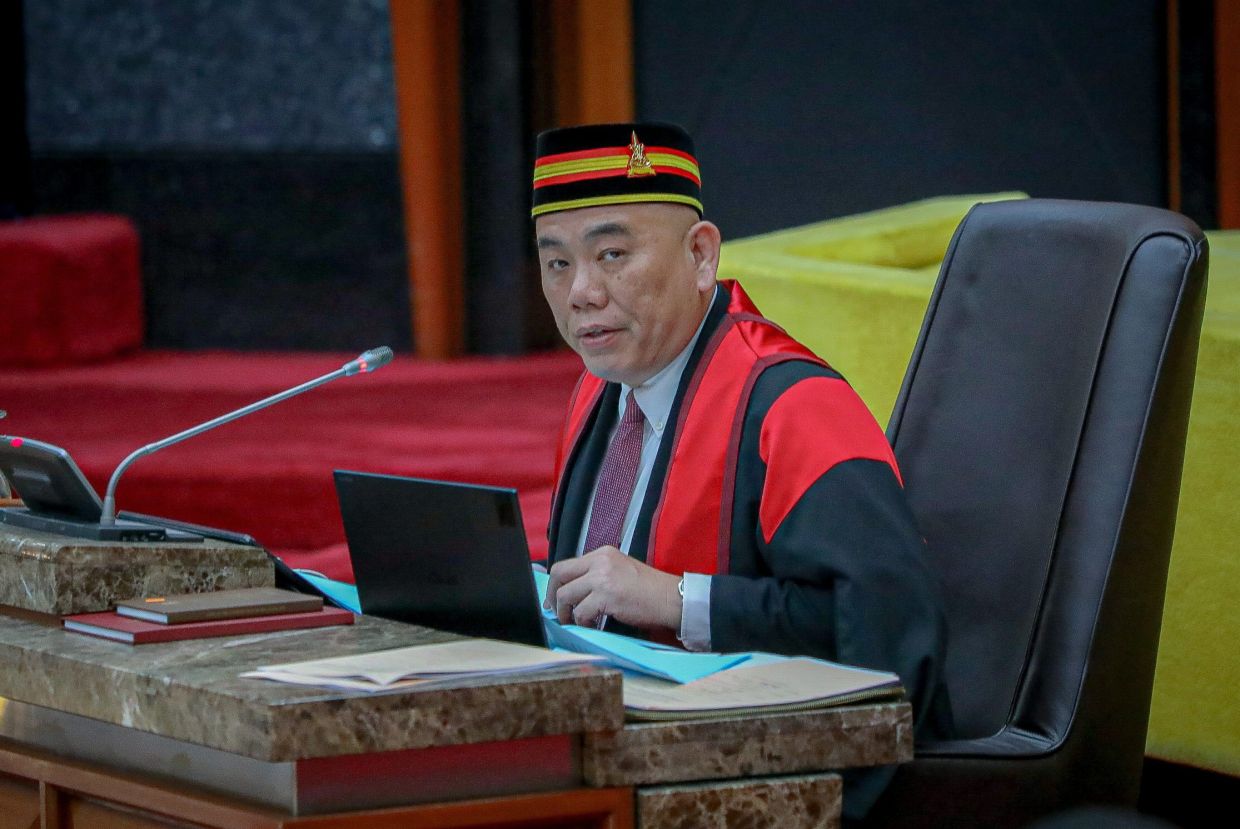
Selangor's political landscape has been declared stable after Speaker Lau Weng San confirmed that a comprehensive review of all state assemblymen has uncovered no justification for any of them to relinquish their seats. The announcement comes as a relief to the state assembly, where speculation about a possible by-election had circulated following the bankruptcy order against one representative, though the High Court subsequently overturned that order earlier this month.
The review, which concluded on August 10, systematically examined all assemblymen across party lines with particular attention to eligibility requirements and grounds for disqualification. Lau emphasised that the assessment was thorough and inclusive, involving consultation with representatives from all political parties represented in the 56-member chamber. The meticulous nature of the review reflects the significance such matters hold in Malaysia's political system, where the stability of state legislatures depends on maintaining a clear quorum of sitting members. Losing even a single seat through disqualification can trigger cascading complications in legislative business and raise questions about governmental continuity.
The bankruptcy episode that triggered this scrutiny underscores how financial difficulties can imperil a politician's tenure under Malaysian law. The original bankruptcy order against an unnamed assemblyman had sparked immediate concern among political observers, as bankruptcy disqualifications represent one of the few automatic mechanisms that can remove a representative from office. However, the High Court's decision to set aside the bankruptcy order negated this threat, allowing the official to retain his position. The Speaker's subsequent confirmation that no legislator faces removal provides clarity for state governance and allows the assembly to focus on its legislative agenda without the distraction of potential electoral contests.
Beyond ruling out by-elections, Lau addressed a secondary concern that has periodically troubled the assembly: absenteeism among legislators. The Speaker announced plans to publicise attendance records through social media, a move designed to enhance transparency and encourage greater participation in state business. This reflects growing expectations across Malaysia that elected representatives demonstrate consistent commitment to their legislative responsibilities. Poor attendance can undermine the assembly's effectiveness and signal to constituents that their representatives are not fully engaged in their duties.
Lau outlined the procedures governing absences, noting that assemblymen who require leave must submit written requests to the secretariat. He cited the Bandar Baru Klang representative as an example, noting that the legislator had properly requested leave following surgery with medical advice to rest for seven days. Such accommodations demonstrate that the assembly operates with flexibility for legitimate circumstances while maintaining standards for regular participation. The Speaker noted that the state assembly typically convenes three times annually, with each session lasting approximately two weeks or fewer, making attendance a reasonable expectation for serving members.
Current absenteeism levels remain modest by most measures. The assembly typically records between three and five absent members at each sitting, a figure suggesting that the chamber generally maintains adequate participation rates. However, Lau underscored the significance of perfect attendance, emphasising that assemblymen who miss sittings forfeit critical opportunities to raise constituent concerns, receive government responses, submit legislative proposals, and hear ministerial updates during winding-up speeches. These functions form the core of representative democracy at the state level, and consistent absence prevents legislators from fully executing their mandates.
To optimise attendance, Lau encouraged assemblymen to schedule constituency events, meetings, and non-urgent appointments around the assembly calendar rather than allowing such engagements to conflict with legislative sessions. He acknowledged that certain emergency circumstances, such as immediate family burial requirements, necessitate unavoidable absences. The Speaker also clarified that even partial attendance counts toward presence, meaning assemblymen who arrive after the morning session begins but before the afternoon concludes are recorded as present. This flexibility recognises the practical realities of scheduling while maintaining accountability for substantive participation.
A financial incentive accompanies assembly attendance. Lau confirmed that assemblymen receive session allowances of RM200 for the morning sitting and RM150 for the afternoon sitting, providing modest compensation beyond their regular salaries and allowances. These per diem payments reward consistent engagement and offset the costs members incur when attending multi-week sessions away from their constituencies. The amounts, while not substantial, represent the legislature's acknowledgment that attending sessions involves genuine expenditures and opportunity costs for representatives.
The Speaker's measures reflect broader trends across Malaysian state legislatures toward greater transparency and accountability in representative work. As public expectations for legislative engagement intensify, assemblies across the nation are implementing systems to track and publicise attendance patterns. Selangor's approach of publishing absence lists on social media aligns with this movement toward digital transparency and public oversight of elected representatives. Such measures serve both to encourage participation and to demonstrate to voters that their representatives are fulfilling their assembly duties.
For Malaysia's most developed state economically, maintaining full legislative capacity matters significantly. Selangor's assembly handles budget allocations, development approvals, and policy decisions affecting more than six million residents. Ensuring that the chamber operates with consistent quorum and active participation directly impacts the quality of governance in the state. The Speaker's confirmation that no seats will become vacant through disqualification allows Selangor to proceed without the disruption of electoral contests, while his emphasis on attendance standards seeks to optimise the assembly's effectiveness in serving constituent interests.

