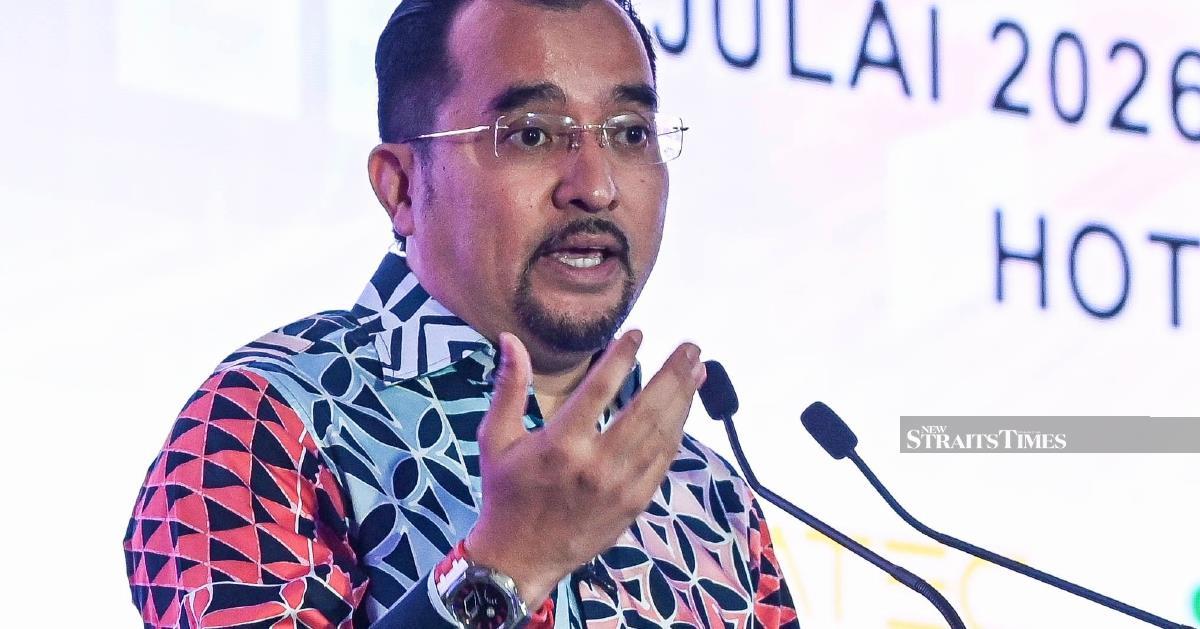
Umno secretary-general Datuk Dr Asyraf Wajdi Dusuki has made an unequivocal declaration that accountability must apply universally if the Royal Commission of Inquiry into Tabung Haji uncovers wrongdoing, irrespective of the standing or position of those implicated. His statement underscores growing pressure within Malaysia's political establishment for transparency in the investigation of the country's pilgrim fund, which has faced mounting scrutiny over financial irregularities and management concerns.
The call for comprehensive accountability reflects broader anxieties within Umno itself, as the party navigates its political standing following recent electoral setbacks. By publicly declaring that no one should enjoy special protection, Asyraf appears to be signalling that his party is committed to rigorous standards of governance, a message particularly important as Umno attempts to rebuild public confidence and distance itself from persistent corruption allegations that have dogged Malaysian politics over the past decade.
Tabung Haji, Malaysia's largest pilgrimage fund, has encountered considerable difficulties in recent years. The institution manages savings and investments for millions of Muslims preparing for the Hajj pilgrimage, making its financial health a matter of considerable public concern across the region. Reports of investment losses, questionable property dealings, and governance shortcomings have intensified calls for a comprehensive investigation into how the fund has been managed and whether proper oversight mechanisms have been enforced.
The RCI's remit extends to examining whether systemic failures in governance allowed misconduct to occur, as well as identifying specific individuals responsible for any breaches. Asyraf's insistence that findings must lead to consequences without exemptions suggests he anticipates the inquiry may implicate figures across different political parties and administrative levels. This position also reflects awareness that selective accountability—where some are punished while others escape—would further erode public trust in Malaysian institutions.
Within the Malaysian political context, such declarations carry particular weight. Historical patterns show that investigations into government-linked entities have sometimes resulted in uneven outcomes, with lower-ranking officials bearing responsibility while senior figures escape formal charges. Asyraf's statement appears designed to preempt accusations that any upcoming RCI findings might be selectively enforced or that political connections could provide protection to the implicated.
The Tabung Haji situation carries implications beyond finance. For devout Muslim Malaysians, the fund represents more than investment management—it embodies trust in religious institutions to safeguard their spiritual aspirations and financial futures. Breaches of this trust consequently inflict reputational damage not only on the fund's leadership but on Malaysia's broader institutional credibility in the eyes of its Muslim population, including potentially affecting regional perceptions within Southeast Asia's Muslim-majority nations.
Anyraf's commentary also reflects internal party dynamics within Umno. As Malaysia's historically dominant party navigates complex coalition politics and competition from rival factions, senior figures must demonstrate commitment to anti-corruption principles to maintain legitimacy. The Tabung Haji RCI findings could become a defining moment in determining whether Malaysian political leaders genuinely embrace accountability or merely perform commitment to it.
The investigation itself represents a significant institutional response to public pressure. Unlike past inquiries that occasionally faced criticism for insufficient rigour, the RCI framework provides greater independence and investigative authority. However, the ultimate impact of any findings depends entirely on the government's willingness to act decisively upon recommendations, particularly if those recommendations involve prosecution or removal of influential figures.
Seek further complicating factors include the intersection of religious governance and secular law. Some individuals implicated in Tabung Haji matters may hold positions related to Islamic administration, creating jurisdictional questions about which authorities bear responsibility for investigating or prosecuting misconduct. Asyraf's blanket commitment to accountability without exemption sidesteps these complexities, but implementation will require coordination between multiple government bodies and potentially overcoming institutional rivalries.
The statement also signals to Malaysian citizens that political leadership recognizes the urgency of restoring confidence in government institutions. Public cynicism regarding governance and corruption remains palpable, particularly among younger voters who have witnessed high-profile cases drag through courts for years without resolution. Clear, swift action on RCI findings could help reverse this deteriorating perception, whereas hesitation or selective enforcement would likely accelerate institutional decline.
Aspects of the inquiry that remain ambiguous include timelines for completing investigations, the scope of recommended remedies, and whether findings will extend to seeking financial restitution from those found culpable. Asyraf's comments establish a political boundary that leaders across the system would find difficult to transgress publicly, though translating such declarations into institutional practice often proves considerably more challenging than rhetoric suggests.

