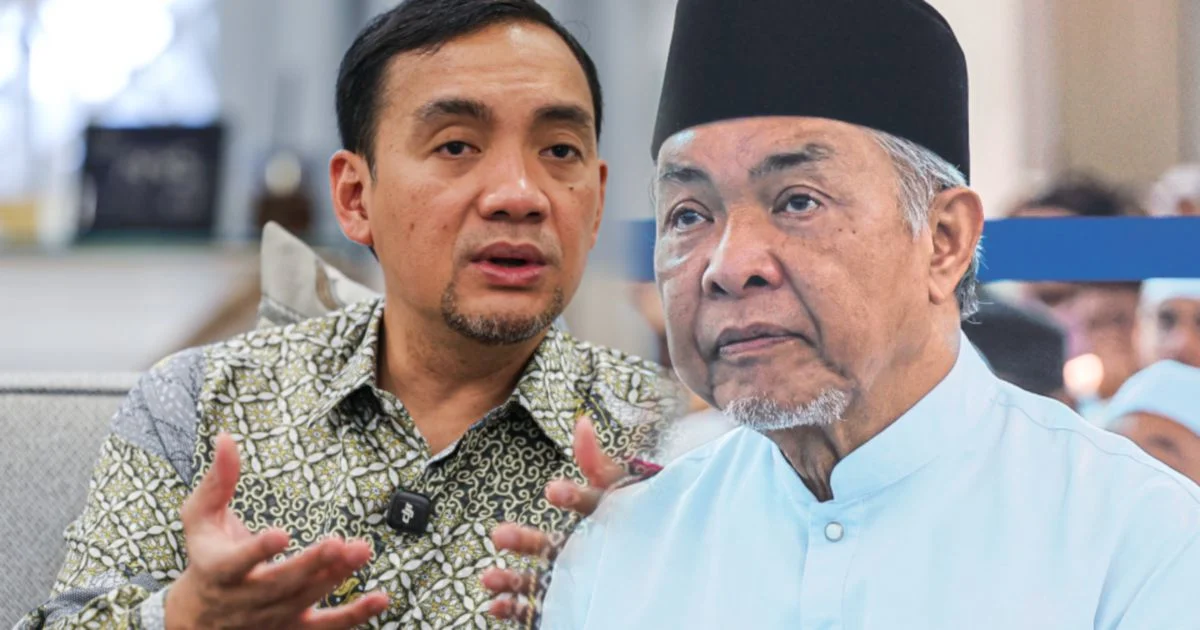
Deputy Prime Minister Datuk Seri Zahid Hamidi has moved to dispel mounting speculation about political tensions in Johor by explicitly stating that no formal directives have been imposed to restrict caretaker Menteri Besar Datuk Onn Hafiz Ghazi's access to Felda settlements across the state. The clarification comes amid heightened scrutiny of the relationship between Putrajaya's federal apparatus and the state administration during the crucial election period.
Felda settlements represent a politically significant demographic across Johor and other states, with their residents traditionally forming a core voter base for ruling coalitions. These planned communities, established to resettle rural smallholders and their families, have historically served as crucial testing grounds for grassroots political campaigns and ministerial outreach efforts. Any genuine restriction on a state leader's ability to interact with these communities would represent an extraordinary departure from established protocols and raise fundamental questions about power dynamics within the governing structure.
Zahid's intervention at the federal level suggests that earlier reports or rumours questioning Onn Hafiz's freedom of movement within these Felda areas had reached sufficient prominence to warrant an official denial from the highest echelons of national leadership. The timing of such clarifications often reflects the intensity of political chatter within party structures and media discourse, signalling that the matter had gathered enough traction to require executive-level reassurance.
The caretaker Menteri Besar role places Onn Hafiz in a transitional position as Johor prepares for electoral contests that will determine whether his administration continues with renewed legitimacy or faces replacement. During such periods, state executives typically intensify ground engagement, particularly in constituencies with large organised communities like Felda settlements, where community leaders wield considerable influence over voting patterns and turnout.
Onn Hafiz's presumed access to these areas is not merely a procedural matter but reflects substantive governance responsibilities. As caretaker chief executive, he continues overseeing state administration and remains accountable to Felda residents for development projects, welfare initiatives, and administrative services. Preventing such engagement would undermine the basic functioning of state government and create a vacuum in local leadership that could hamper service delivery during a sensitive political transition.
The clarification also carries implications for inter-party dynamics within Malaysia's ruling coalition. If genuine restrictions had existed—whether formal or through informal understanding—it would indicate serious friction between federal and state-level leadership or between coalition partners. Zahid's explicit denial removes such speculation, at least from the official narrative, and attempts to project unified governance continuity despite electoral campaigns intensifying.
Felda communities occupy a unique position in Malaysian political economy, having benefited from decades of systematic development support and infrastructure investment targeted at settler populations. These residents often maintain strong organisational structures and face consistent attention from political operatives seeking to influence their electoral preferences. Any narrative suggesting that a state Menteri Besar cannot freely engage with these constituents would raise serious constitutional and administrative questions about the separation of executive authority between federal and state tiers.
Zahid's statement essentially reaffirms that caretaker administrations, despite their temporary status, retain full executive prerogatives and operational authority within their jurisdictions. This reinforces the principle that electoral processes, however fiercely contested, should not translate into formal obstruction of legitimate governmental functions or restrictions on elected officials' capacity to interface with the populations they serve.
The episode highlights the delicate balance required during transitional periods between maintaining continuity in public administration and allowing for competitive electoral processes to unfold. Political uncertainty can sometimes generate rumours and speculation about informal constraints or shifted power relationships, which official clarifications must then address to maintain institutional stability and public confidence in governance structures.
For Malaysian voters in Johor, particularly those in Felda settlements considering electoral choices, Zahid's clarification provides assurance that multiple political actors retain capacity to reach them directly during campaigns. This preserves competitive conditions and ensures that campaign messaging remains contestable at the grassroots level, a foundational principle for meaningful electoral participation in democratic systems.

