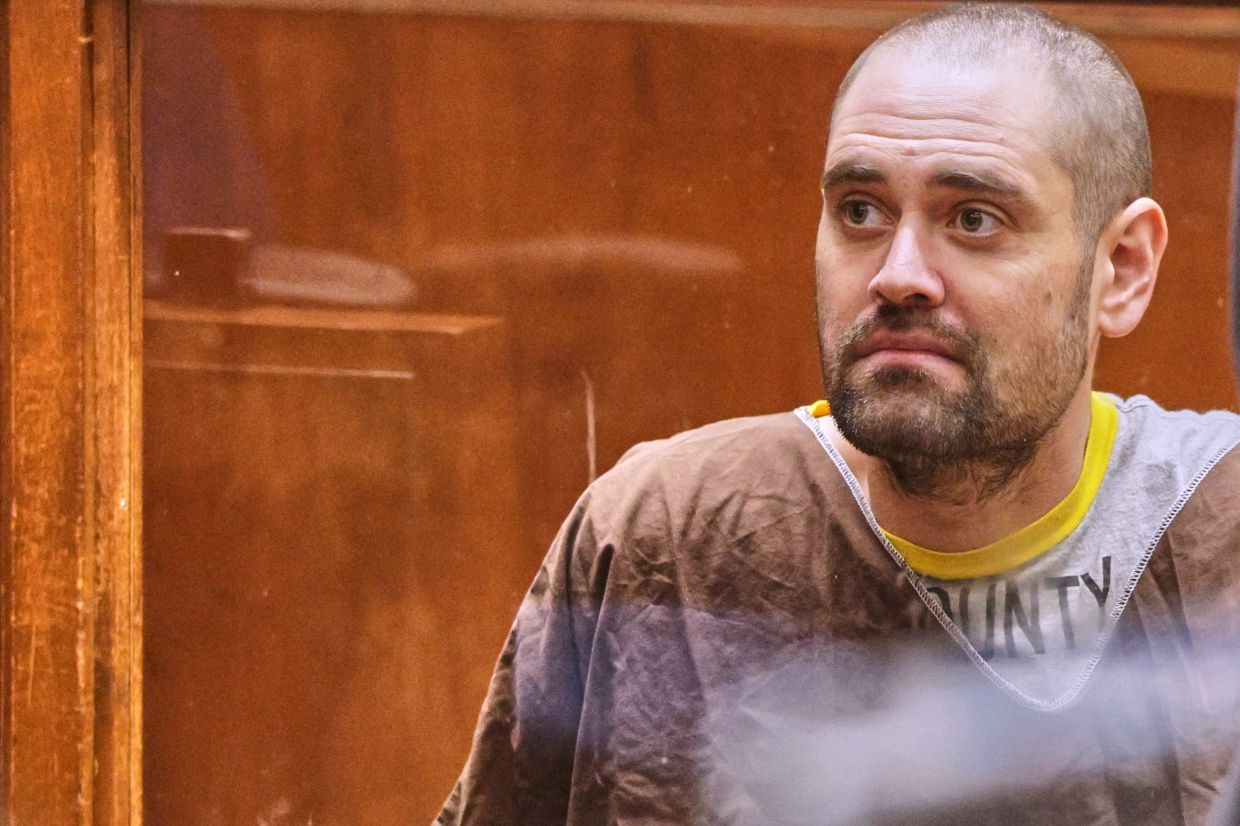
Nick Reiner, the 32-year-old son of acclaimed film director Rob Reiner, has turned to Los Angeles County court seeking access to trust funds his parents left him, arguing he requires the money to mount a proper legal defence against charges that he murdered them. His civil attorneys filed the petition this week, contending that trustees administering the fund have unlawfully blocked his access to assets that are rightfully his under the terms established decades ago.
The circumstances surrounding the case have gripped Hollywood and raised profound questions about family tragedy and the legal complexities that follow. Rob Reiner, celebrated for directing influential films throughout the 1980s and 1990s, and his wife Michele Singer Reiner, a photographer and media producer, were fatally stabbed in their Brentwood home on December 14. Nick Reiner was arrested hours later and has maintained his innocence, entering a not guilty plea to two counts of murder.
The petition argues that Nick Reiner's situation reflects a fundamental legal principle: that individuals accused of crimes retain the presumption of innocence and deserve the resources necessary to construct a meaningful defence. The filing emphasises that the trust dispute itself should be entirely separate from criminal proceedings, noting that "the facts about what did and did not happen" to his parents "are not at issue in this Trust litigation." His legal team frames the matter as straightforward contract law, pointing to clear instructions left by Rob and Michele Reiner in 1993 that Nick would receive half his trust at age 30 and the remainder at 35.
The crux of the dispute centres on attorney Paul R. Kanin, who assumed trustee responsibilities in February. According to the petition, Kanin has offered "a shifting series of excuses and justifications" to withhold distributions, citing vague concerns about Nick Reiner's competence that have no legitimate connection to mandatory trust payouts. The fund holds at least $1.5 million, though Kanin has refused to disclose its exact value. Nick Reiner never received the funds due at age 30 and is now pushing for access to both that amount and what would have been distributed at 35, arguing that his legal defence and basic needs while incarcerated necessitate immediate availability.
Nick Reiner's initial legal representation adds another layer of complexity to his situation. He retained Alan Jackson, a high-profile Los Angeles defence attorney, shortly after his arrest. However, Jackson withdrew from the case within a month, citing undisclosed reasons. The new filing reveals a family dimension to the financial complications: Nick's siblings, Jake and Romy Reiner, initially offered to cover Jackson's substantial fees but subsequently reversed that decision. A declaration from Jackson suggests his firm remains prepared to resume representation if funding materialises, underscoring how the trust dispute directly impacts his ability to mount an adequate defence.
The broader Reiner family dynamics have been strained by these events. Jake Reiner, Nick's brother, gave a carefully considered public statement in April describing the situation as "a living nightmare" that is "too devastating to comprehend." His account captured the emotional devastation that attends both losing parents to violence and confronting the possibility that a sibling bears responsibility. The family structure that Rob and Michele Reiner worked to preserve through their trusts—establishing separate accounts for each child—now sits at the centre of legal contestation.
For Malaysian and Southeast Asian observers, the case highlights distinctive aspects of American family law and estate management. Trust structures, while less commonly employed in Malaysian inheritance contexts where Islamic law and the distribution frameworks of the Probate and Administration Act typically govern estates, illustrate how wealth preservation mechanisms in common law jurisdictions can become focal points during family crises. The situation underscores tensions between protecting vulnerable individuals and respecting property rights that individuals have legitimately accumulated or inherited.
The criminal proceedings themselves remain shrouded in unusual secrecy. The District Attorney's office has declined to discuss potential motives, and court orders have sealed autopsy details. Nathan Hochman, the District Attorney, has indicated that his office has not yet determined whether to pursue capital punishment, a decision that typically emerges only after thorough investigation and consideration of aggravating factors. The pretrial hearing scheduled for September will likely clarify the trajectory of the case, though fundamental questions about motive and evidence remain publicly unanswered.
The trust petition carries implications extending beyond Nick Reiner's immediate circumstances. It raises questions about how judicial systems balance the rights of accused individuals to adequate legal representation against trustee concerns about releasing funds to defendants. The case also illustrates how initial legal team departures—particularly when driven by funding disputes—can materially disadvantage defendants who lack personal financial resources, regardless of whether those resources technically exist in trust form. Nick Reiner's argument that he should not be forced to defend himself inadequately because trustees disagree with his actions touches on fundamental fairness principles embedded in American jurisprudence.
The intersection of family wealth, criminal accusation, and legal representation creates unprecedented pressure on estate governance. Trustees typically function to protect beneficiary interests and preserve assets, but the petition suggests that Kanin's approach may have crossed into territory where protective instincts become punitive—effectively using trust administration as an instrument of control over a beneficiary facing serious charges. Whether Los Angeles courts will view the matter similarly remains to be seen in coming weeks.
As the case progresses toward September proceedings, the trust dispute will likely intensify. Nick Reiner's legal team appears confident that courts will compel distribution based on the trusts' plain language and the fundamental fairness principles underlying criminal procedure. The resolution could reshape how trustees balance their fiduciary duties when beneficiaries face criminal charges, establishing precedent for similarly situated defendants across California and potentially beyond.

%22%2F%3E%3C%2Fpattern%3E%3C%2Fdefs%3E%3Crect%20width%3D%22100%25%22%20height%3D%22100%25%22%20fill%3D%22url(%23ph1354vg)%22%2F%3E%3Crect%20width%3D%22100%25%22%20height%3D%22100%25%22%20fill%3D%22url(%23ph1354vp)%22%2F%3E%3Ctext%20x%3D%2250%25%22%20y%3D%2250%25%22%20text-anchor%3D%22middle%22%20dominant-baseline%3D%22central%22%20fill%3D%22rgba(255%2C255%2C255%2C0.95)%22%20font-family%3D%22Georgia%2C%20'Times%20New%20Roman'%2C%20serif%22%20font-weight%3D%22700%22%20font-size%3D%22320%22%20letter-spacing%3D%22-0.02em%22%3EGRS%3C%2Ftext%3E%3C%2Fsvg%3E)