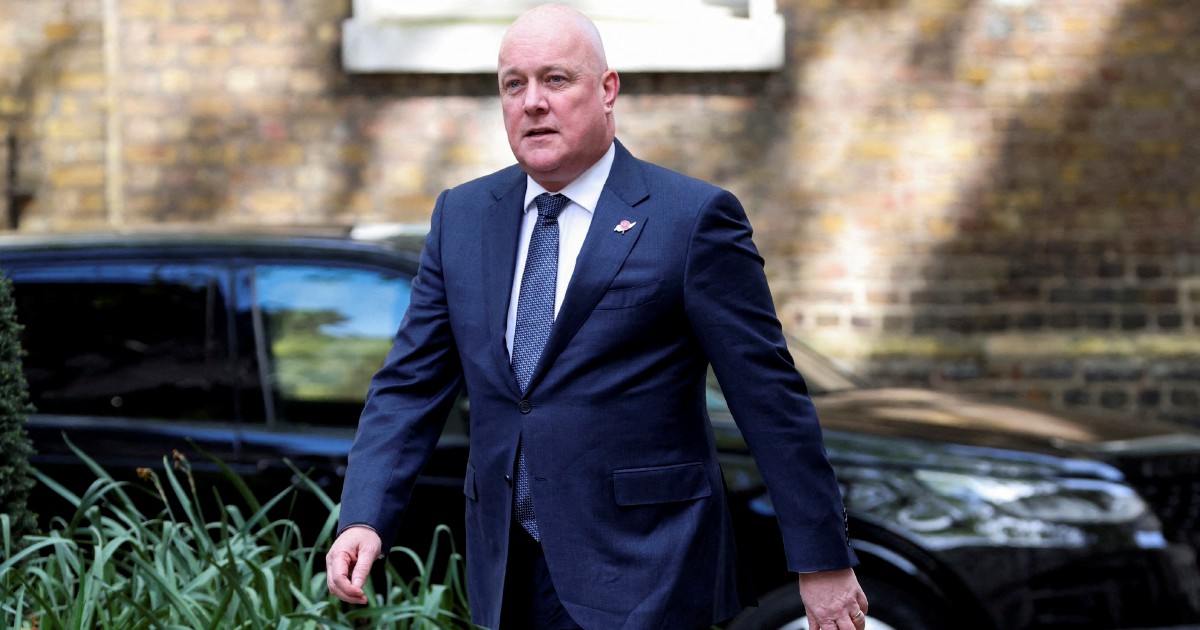
Christopher Luxon, the Prime Minister of New Zealand, has emerged from a leadership contest with his ruling National Party intact, reaffirming his authority within the coalition government as the country heads into its electoral cycle. The challenge materialised with less than a quarter of a year remaining before voters head to polling stations, a timing that raises questions about party dynamics and internal confidence levels during a critical period for government messaging.
Luxon's assertion that he maintains the "full support" of the National Party comes after party members voted on his continuation in the leadership role. The development signals that despite potential internal tensions, the governing coalition has chosen to maintain its existing command structure rather than pivot to alternative leadership. For Malaysian observers, the episode underscores how even stable democracies experience periodic internal jockeying among governing parties, particularly when electoral outcomes remain uncertain.
The timing of this challenge carries particular significance for understanding New Zealand's political landscape. Typically, such contests emerge when party members harbour doubts about electoral prospects or strategic direction. The proximity to a general election intensifies the stakes considerably, as parties must present unified fronts to voters. Any perceived internal division can translate into messaging weakness during campaign periods when public attention sharpens on party coherence and leadership stability.
For regional observers, Luxon's navigation of this challenge demonstrates the resilience of established democratic institutions in managing internal conflicts. Unlike systems where leadership changes might indicate broader governmental instability, New Zealand's constitutional framework allows for orderly internal processes that resolve such matters through established party procedures. This institutional maturity reflects decades of stable democratic governance, though it also illustrates that no government, regardless of its established reputation for stability, operates entirely free from internal pressures.
The National Party itself faces electoral headwinds that likely contextualise the challenge. Coalition governments often encounter tensions between coalition partners and within individual parties as voters assess performance records. The timing suggests that some within the National Party may have questioned current electoral strategy or Luxon's personal appeal to swing voters who determine electoral outcomes in competitive democracies. Whether such doubts reflected broader party sentiment or concentrated among particular factions remains unclear from available reporting.
Luxon's retention demonstrates that his coalition partners and sufficient National Party members favoured maintaining continuity rather than attempting a disruptive change mid-campaign. This calculation suggests confidence that an alternative leader would not improve electoral prospects meaningfully. It also implies that despite any internal reservations, party strategists assessed that a prolonged leadership contest would damage the party more severely than maintaining current arrangements.
The electoral mathematics of New Zealand politics mean that campaign performance over the coming months will largely determine whether this leadership stability translates into electoral success. Voters will scrutinise the government's record on economic management, healthcare, education, and cost-of-living pressures. The National Party's ability to defend its governmental record while presenting a compelling vision for the next term represents the genuine test ahead, overshadowing internal procedural victories.
For Southeast Asian observers, Luxon's experience offers perspective on how developed democracies navigate governance challenges. The contrast with some regional systems is instructive: New Zealand's process involved transparent party procedures rather than backroom manoeuvres or constitutional interventions. This procedural legitimacy strengthens the eventual outcome's acceptance, regardless of the initial challenge's rationale.
The broader context reveals that leadership challenges, whilst disruptive, remain integral features of democratic systems where power remains contested and accountable. Luxon's survival indicates that National Party members concluded the current configuration offered better electoral prospects than alternatives. This rational calculation, even if driven by uncertainty rather than enthusiasm, represents precisely how democratic governance manages competing interests and personalities within institutional frameworks.
As New Zealand approaches its general election, the leadership question now settles into the background, allowing the campaign to focus on substantive policy debates. The challenge's resolution permits both the National Party and its coalition partners to present unified messaging to voters, eliminating potential distraction. Whether voters reward this governing coalition with renewed mandate or opt for alternative leadership at the ballot box will depend on broader assessments of governmental performance and future policy directions, not internal party procedures resolved in recent weeks.

