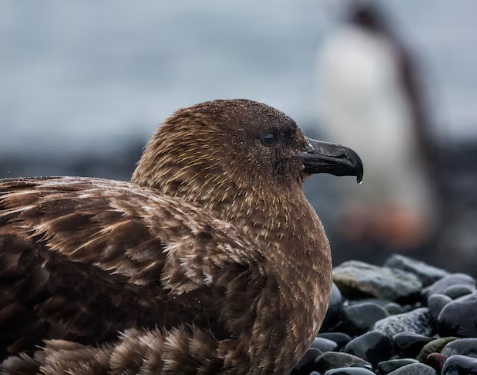
New Zealand has joined the growing roster of nations grappling with H5N1 bird flu after a brown skua seabird collected from a beach near Wellington tested positive for the virus. Biosecurity Minister Andrew Hoggard made the announcement on Wednesday, July 15, signalling that the highly pathogenic strain has now reached every inhabited continent. The detection came approximately one month after Australia, New Zealand's nearest neighbour, first reported cases of the virus in its own bird populations.
The H5N1 strain has proven devastatingly effective at spreading through wildlife and livestock since emerging in its current virulent form in 2021. The virus has already killed millions of wild birds and mammals across multiple continents while simultaneously infiltrating commercial poultry operations and dairy farms in several countries. Isolated human infections have occurred among farmworkers with direct exposure to infected animals, though sustained human-to-human transmission has not been documented. The arrival in New Zealand represents a watershed moment for the region, as the country had previously remained among the few developed nations free from the virus.
Initial assessments suggest the situation remains contained for now. Minister Hoggard stated that no evidence of widespread wildlife deaths or transmission between wild birds has emerged thus far, and New Zealand's commercial poultry sector has not recorded any infections. This observation aligns with the pattern observed in neighbouring Australia, where 14 confirmed or presumed positive detections have been documented across the country. The detection in a single migratory seabird may suggest the virus arrived through natural bird migration routes rather than establishing itself widely in local populations, though authorities remain vigilant for further cases.
New Zealand's wildlife presents a uniquely fragile ecosystem that makes the arrival of H5N1 particularly alarming for conservation efforts. The country's birds evolved in isolation for millions of years without native land mammals, resulting in numerous species that lost the ability to fly or developed ground-nesting habits. This evolutionary adaptation, which made them distinctive globally, simultaneously left them vulnerable to introduced predators such as stoats, rats and feral cats. Many endemic bird species are already critically endangered due to habitat loss and predation pressure, meaning the population reserves available to absorb disease are extremely thin.
Recognising the exceptional threat posed by H5N1 to New Zealand's irreplaceable biodiversity, the government has activated an emergency vaccination programme targeting the most vulnerable species. Health officials have begun immunising 300 core breeding birds drawn from five of the country's most endangered species. The takahe, a large flightless rail that was believed extinct until its rediscovery in the 1940s, features prominently in the vaccination effort alongside the kakapo, a flightless parrot so rare that individual birds are monitored by name. These species represent living links to New Zealand's prehistoric past and cannot be replaced if lost.
The vaccination strategy reflects the extraordinary measures now required to protect species facing extinction. Rather than vaccinating entire wild populations—an approach that would be logistically impossible and scientifically unproven—authorities have opted to secure the genetic and behavioural foundations of these species by protecting key breeding individuals held in managed breeding programmes. This approach acknowledges both the severity of the threat and the practical limitations of wildlife management in the face of a novel pathogen. The 300 birds represent irreplaceable genetic and cultural assets for conservation.
Brett Gartrell, professor of wildlife health at Massey University, has articulated the profound anxiety gripping the conservation community. Gartrell emphasised that New Zealand's birds have never encountered a pathogen of this magnitude in their evolutionary history, meaning they lack any natural immunity or behavioural defences developed through prior exposure. The professor warned that if H5N1 spreads rapidly through the country's wild bird populations, the vaccination programme could prove inadequate to prevent extinction of species with extremely small populations. Even protected breeding birds might succumb if the virus becomes endemic in wild populations that could reinfect captive birds.
The arrival of H5N1 in New Zealand underscores the interconnected nature of modern disease dynamics in an era of rapid global travel and climate change. Migratory seabirds that travel between continents serve as natural vectors for the virus, making it virtually impossible for island nations to remain isolated indefinitely. New Zealand had been preparing for this eventuality through years of coordination with the poultry industry to develop biosecurity protocols and pandemic response plans. However, preparation and reality often diverge when confronting novel infectious diseases.
For Southeast Asian readers, New Zealand's experience offers cautionary insight into the challenges posed by H5N1 to regional biodiversity and food security. The region's diverse ecosystems, including critical migration routes for numerous bird species, face similar risks of viral introduction through natural wildlife movements. The economic implications extend beyond wildlife conservation to encompass the poultry and aquaculture industries that support millions of livelihoods across the region. New Zealand's vaccination initiative, while innovative, also highlights the limits of technological solutions when addressing environmental health crises of this scale.
The weeks and months ahead will prove critical in determining whether New Zealand can contain H5N1 or whether the virus will establish itself in the country's wildlife populations. The success of the vaccination programme, combined with continued vigilance in poultry operations and broader surveillance of wild bird populations, will shape not only New Zealand's conservation future but also provide crucial data for other nations managing the same pandemic threat. The brown skua's positive test has transformed from a single data point into an urgent call to action for one of the world's most ecologically distinctive nations.

