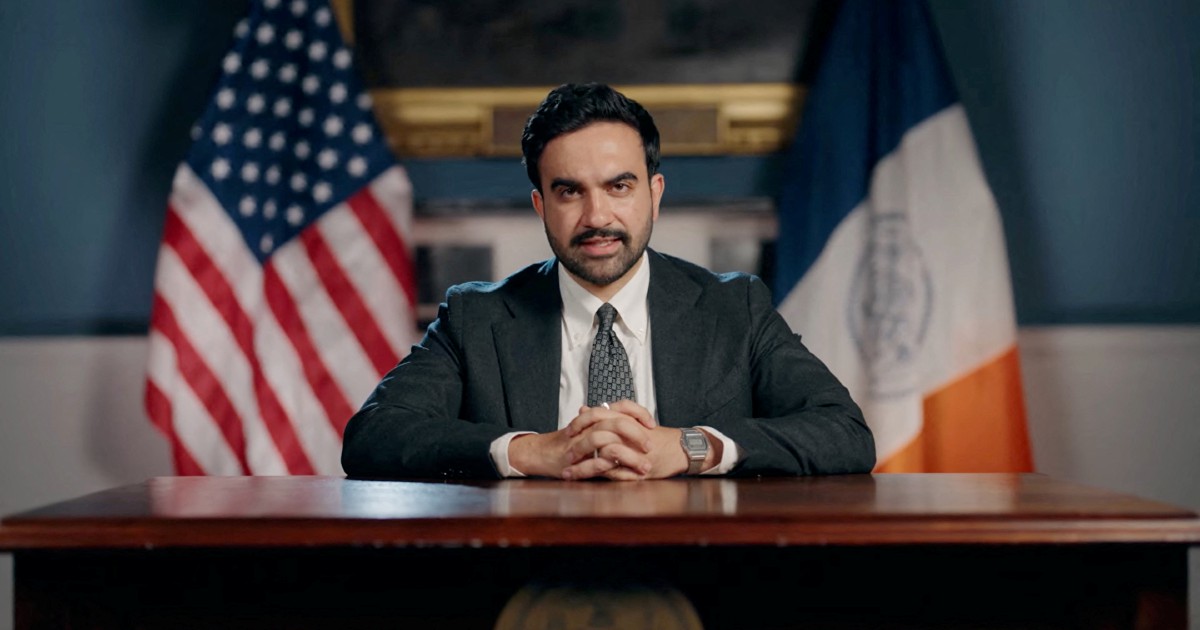
New York Mayor Zohran Mamdani moved to clarify the extent of municipal authority regarding the International Criminal Court's arrest warrant for Israeli Prime Minister Benjamin Netanyahu, stating explicitly on Tuesday that New York City cannot independently execute such an arrest. The mayor's comments arrived as a significant point of legal clarification in a complex situation that has roiled diplomatic and legal circles across multiple jurisdictions. Rather than leaving the matter unresolved, Mamdani directed responsibility upward to the federal government, contending that only Washington-level officials possess the constitutional and legal standing to enforce international warrants within American territory.
The ICC issued its warrant against Netanyahu following investigation into alleged conduct during the conflict in Gaza. The legal standing of such warrants within the United States has long existed in a grey zone, as America is not a signatory to the Rome Statute that established the ICC. This non-membership status creates an unusual situation where American law enforcement technically faces no obligation to recognize or execute ICC warrants. However, the appearance of such a warrant in a major American city—particularly one as prominent as New York—has created political and diplomatic pressure that cannot be easily dismissed, even if legal obligations are absent.
Mamdani's intervention highlights the fragmented nature of law enforcement authority within the American federal system. Cities and states possess certain police powers derived from their constitutional position within the federal structure, yet international relations and treaty obligations fall squarely within federal jurisdiction. When an Israeli leader visits American soil, the question of whether to detain them based on an ICC warrant represents precisely the sort of scenario that demands federal rather than local decision-making. The mayor's explicit acknowledgment of this jurisdictional boundary serves to deflect pressure away from city officials while simultaneously keeping the issue alive at the national level.
For Malaysian observers, this situation carries particular relevance given our own position as a nation that has been vocal about international justice mechanisms. Malaysia has long been a supporter of the ICC and the concept of universal accountability for grave crimes. The predicament facing American officials regarding Netanyahu's potential presence in their country mirrors questions that other nations must confront regarding visiting dignitaries who face international scrutiny. How to balance diplomatic protocols, domestic law, and international legal obligations represents a tension that transcends American borders and affects governance throughout Southeast Asia and beyond.
The diplomatic dimensions of this scenario are equally substantial. Israel maintains close security and economic ties with the United States, and the question of whether American law enforcement might arrest an Israeli prime minister touches sensitive nerves in bilateral relations. Federal authorities must weigh competing considerations: maintaining strategic alliances, upholding the rule of law, avoiding the appearance of selective justice, and managing international opinion. These competing pressures explain why Mamdani's clarification—while technically straightforward in terms of jurisdictional authority—carries significant political weight.
The mayor's call for federal intervention effectively passes the decision upward to entities that may prefer not to make it. The Biden and any succeeding administration face genuine complexity in determining how to handle ICC warrants against allied leaders. Should Washington simply ignore them, thereby signaling that international justice mechanisms lack force when powerful nations are involved? Should American officials defer to the ICC's authority, potentially damaging relationships with key allies? These questions have no clean answers, and they explain why the federal government may welcome the opportunity to continue studying the matter without committing to a course of action.
Within the context of Netanyahu's ongoing leadership during the Gaza conflict, the ICC warrant represents one mechanism through which international accountability might theoretically function. The mechanism's actual enforcement, however, depends on the political will of powerful nations. Netanyahu's travel patterns and access to countries that recognize ICC authority have already been constrained by the warrant, yet the fact that he can move relatively freely across much of the world, including through American airspace, underscores how geopolitical realities often override formal legal structures. The American position will help establish precedent for how liberal democracies respond to ICC warrants against allied leaders.
The situation also raises broader questions about how international law functions in a world where major powers remain outside key international institutions. The United States has never ratified the Rome Statute, deliberately maintaining distance from the ICC. This stance reflects American skepticism about subjecting its own citizens to international prosecution and preference for unilateral rather than multilateral approaches to justice. Yet this same position creates awkwardness when the ICC acts against American allies, as enforcement depends on the cooperation of nations that do recognize the court's authority.
Mamdani's intervention, though framed as a simple clarification of legal authority, actually places greater scrutiny on how federal officials will ultimately respond. By explicitly noting that the city lacks power to act, he implicitly highlights that someone at the federal level does possess such power, even if deploying it would create diplomatic turbulence. This rhetorical move shifts attention from whether the warrant matters to how Washington will choose to handle it. The mayor's framing suggests that a decision regarding the warrant's enforcement is ultimately unavoidable, though when and how that decision emerges remains unclear.

