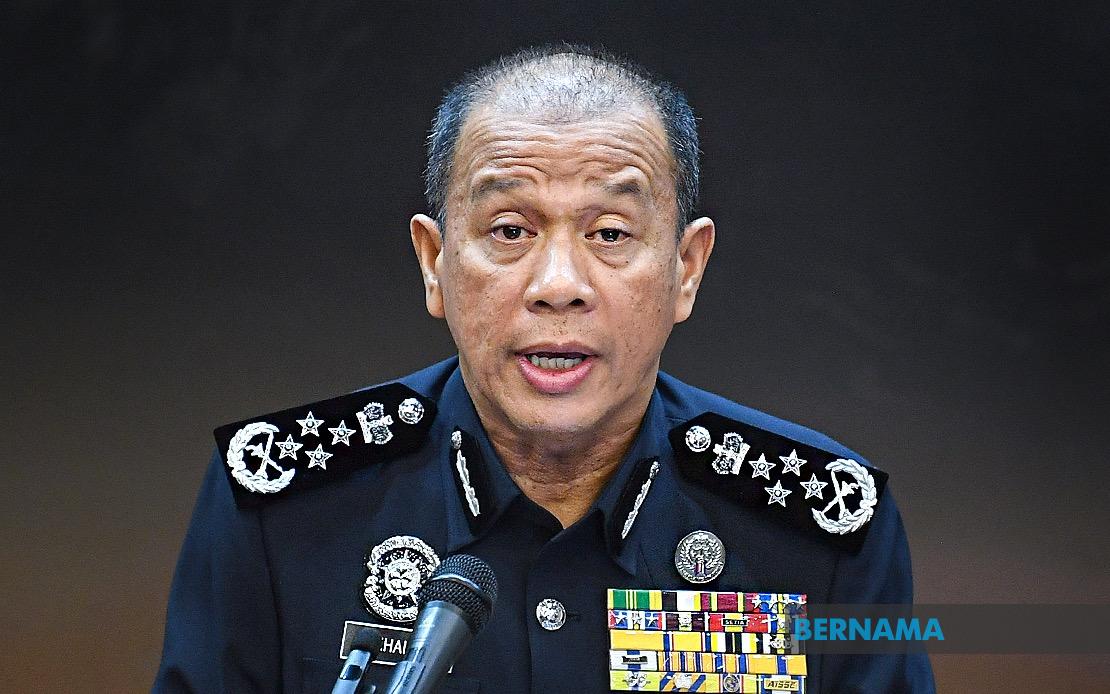
The Royal Malaysia Police has thrown its support behind the government's overhaul of career advancement procedures for security personnel, with Inspector-General of Police Tan Sri Mohd Khalid Ismail characterising the initiative as a vital signal of appreciation for those tasked with maintaining public order and safety. Speaking in Kuala Lumpur on 7 August, the IGP emphasised that the anticipated reform represents far more than administrative convenience—it signals the government's genuine commitment to the welfare and professional development of both police and military ranks.
Prime Minister Datuk Seri Anwar Ibrahim unveiled the proposal during an address at the Semarak Kenegaraan programme held at Terendak Camp, announcing that the government had approved reducing red tape in the promotion system for Malaysian Armed Forces and PDRM personnel. The streamlined approach is designed to align military and police advancement mechanisms with the promotion framework already in place across the broader civil service, potentially creating consistency and fairness across different sectors of the public workforce.
Mohd Khalid stressed that this move carries profound implications for workforce morale and operational effectiveness. By removing bureaucratic obstacles that have historically slowed career progression, the government aims to create an environment where officers feel valued and motivated to invest energy into their roles. The IGP articulated a clear understanding that career stagnation and unclear advancement pathways can erode commitment and professionalism—factors critical when dealing with the demanding and often dangerous work expected of police and military personnel.
The new mechanism reflects long-standing frustrations within uniformed services. Personnel across PDRM and MAF have in the past expressed concern that career progression has been unpredictable and slow relative to their counterparts in other government agencies. This reform addresses such grievances by bringing greater transparency and efficiency to the process, potentially allowing deserving officers to advance more swiftly based on merit and performance rather than navigating opaque systems.
Mohd Khalid has confirmed that PDRM stands ready to collaborate fully with the government during implementation. The force leadership recognises that successful rollout will require careful coordination between multiple agencies and clear communication to all personnel about how the new system will function. The IGP's statement of readiness signals that police management will take ownership of ensuring a smooth transition from the existing framework to whatever mechanism is ultimately introduced.
Full details of the reformed promotion structure are scheduled for announcement on 30 August during the Ambang Merdeka celebration at Stadium Merdeka in Kuala Lumpur. This timing—on the eve of Malaysia's National Day—appears deliberately symbolic, linking national pride and institutional reform. The public unveiling also creates accountability, as the government will need to deliver credible details after weeks of anticipation within the uniformed services.
For Malaysian police ranks, the reform carries specific significance given ongoing efforts to rebuild public confidence in the force. Enhanced career prospects and professional development opportunities may help attract and retain talent, contributing to service quality improvements. Officers who see clear pathways to advancement and who feel their contributions are recognised are typically more committed to maintaining high standards of conduct and integrity—areas where PDRM has faced scrutiny.
The initiative also reflects broader government priorities regarding national security. By investing in the professional development and morale of both police and armed forces, the administration signals that strengthening these institutions remains a policy priority. Such institutional strengthening can yield tangible security benefits, from improved crime investigation capabilities to enhanced military readiness.
Regionally, Malaysia's move may carry broader implications. Other Southeast Asian nations grapple with similar challenges around retention and motivation within security forces. If Malaysia's reformed system proves effective, it could serve as a model for neighbouring countries seeking to modernise their own institutional structures while maintaining disciplinary frameworks essential to military and police operations.
The government's willingness to engage with career advancement concerns also reflects evolving understanding about public sector workforce management. Increasingly, research demonstrates that perceived fairness in promotion systems and clear advancement opportunities directly correlate with job satisfaction, reduced corruption risk, and improved performance metrics across organisations. By addressing these structural factors, policymakers signal sophistication about human capital management.
Mohd Khalid has linked this reform explicitly to PDRM's broader mandate—maintaining integrity, enhancing professionalism, and delivering quality policing services. The implicit argument is that personnel working within systems that reward merit and recognise contribution naturally develop stronger professional commitment. When officers understand that advancement depends on performance and conduct rather than political connection or seniority alone, they have greater incentive to maintain ethical standards.
The announcement also addresses longstanding disparities between promotion timelines and expectations across the civil service. Creating parity between police, military, and general civil service advancement mechanisms eliminates a source of inter-agency friction and resentment. Personnel no longer need feel disadvantaged relative to counterparts in other government sectors—a psychological factor that, while intangible, carries real weight for morale and commitment.

