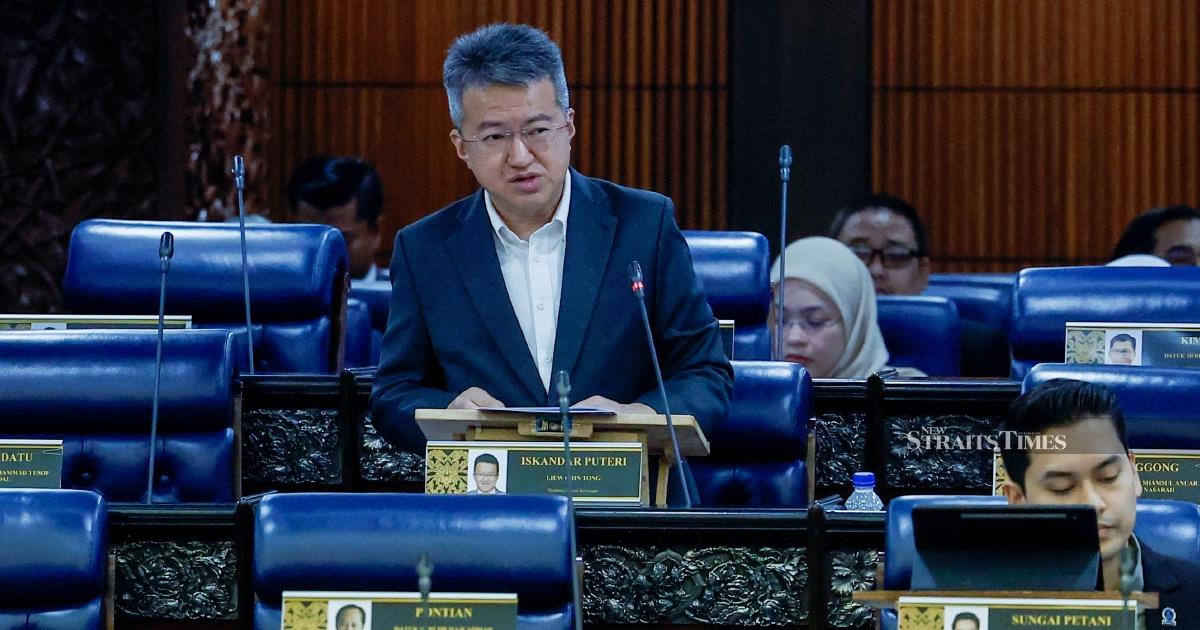
Malaysia has taken legislative action to prevent future uncontrolled withdrawals from the Kumpulan Wang Amanah Negara (KWAN) by enacting stricter parliamentary oversight measures, prompted by the RM5 billion withdrawal that occurred in 2021. The newly passed Bill introduces a fundamental shift in how the country's sovereign wealth fund operates, requiring that any future withdrawal must receive explicit approval through a Dewan Rakyat resolution, effectively elevating parliamentary scrutiny as a precondition for accessing the fund's reserves.
The 2021 withdrawal event served as a watershed moment for Malaysia's governance framework, exposing critical deficiencies in existing safeguards that had previously allowed significant funds to be accessed without adequate legislative oversight. That transaction pulled directly from KWAN's holdings and raised concerns among lawmakers and the public about the absence of robust checks and balances protecting the nation's accumulated wealth. The incident prompted policymakers to reassess the institutional architecture governing access to the fund and to identify vulnerabilities that previous regulatory structures had failed to address.
KWAN itself functions as a strategic repository for Malaysia's financial reserves, designed to provide long-term stability and serve national economic objectives. The fund accumulated substantial assets over decades, reflecting disciplined fiscal management during periods of budget surpluses. However, the discretionary withdrawal mechanism that existed prior to the new legislation created conditions where large amounts could be mobilised without requiring the same democratic approval process applied to ordinary budgetary expenditures through parliament. This distinction between ordinary government spending and KWAN withdrawals highlighted an inconsistency in how Malaysia's financial governance applied democratic principles across different domains of public finance.
The legislative response represents a conscious effort to harmonise KWAN's operational framework with broader principles of parliamentary democracy and fiscal accountability. By mandating a Dewan Rakyat resolution, the new law effectively places withdrawals on equal footing with other significant fiscal decisions that require legislative endorsement. This approach ensures that parliamentarians—who represent Malaysia's diverse constituencies—must actively debate and vote on proposals to access the fund, creating a transparent forum where concerns can be aired and justifications examined before approval.
The implications for Malaysian governance extend beyond KWAN specifically. The reform signals a broader commitment to strengthening institutional checks on executive discretion over public financial resources. During periods when governments hold commanding parliamentary majorities, such measures may seem redundant; yet they establish permanent safeguards that protect public resources regardless of which administration holds office. This forward-looking perspective acknowledges that today's governing coalition may not remain in power indefinitely, and rules should reflect principles applicable across all potential administrations.
For Southeast Asia's financial management context, Malaysia's legislative tightening of KWAN controls offers instructive lessons about balancing the need for flexible fiscal instruments with the imperative of democratic oversight. Many regional economies maintain sovereign wealth funds that operate under varying degrees of parliamentary scrutiny, and Malaysia's approach demonstrates one model for reconciling strategic financial flexibility with transparent governance. The requirement for explicit legislative approval prevents the fund from becoming a vehicle for executive branch resource mobilisation outside regular budgetary processes.
The practical mechanics of the new framework require that governments seeking KWAN withdrawals must present their case to parliament, where opposition members, independent representatives, and coalition backbenchers can all interrogate the proposed use of funds. This creates space for alternative voices to challenge withdrawals they deem economically unwise or fiscally irresponsible, potentially deterring proposals that lack broad support. The added procedural requirement also incentivises more rigorous internal government analysis before proposals are even tabled, since officials must anticipate parliamentary questions and prepare robust justifications.
The 2021 withdrawal that triggered this reform illustrated how the absence of such requirements can enable rapid mobilisation of large sums for purposes that may not have received adequate public debate or legislative vetting. Whether the funds were deployed for emergency response, economic stimulus, or other objectives, the procedural absence of parliamentary oversight created legitimate questions about democratic accountability. The new Bill addresses this concern by establishing parliament as the mandatory checkpoint through which all future withdrawals must pass.
Looking forward, the legislation establishes clearer institutional expectations around KWAN's role within Malaysia's broader fiscal framework. Rather than functioning as a discretionary reserve accessible at executive discretion, the fund now operates under conditions that require elected representatives to make conscious political choices about its deployment. This transforms what previously resembled an administrative decision into a explicitly democratic one, where parliament shoulders responsibility for KWAN withdrawal approvals.
The timing of this legislative reform also reflects broader regional conversations about sovereign wealth fund governance, transparency, and the balance between professional fund management and democratic oversight. As countries across Southeast Asia evaluate how best to steward accumulated reserves, Malaysia's experience and its legislative response provide valuable reference points. The framework shift from administrative flexibility to parliamentary approval represents a conscious choice to prioritise democratic processes over executive convenience in managing national wealth.

